Unlocking peak gaming performance often comes down to understanding your hardware, and a crucial component many gamers overlook is memory, or RAM. This guide dives deep into how important is memory for gaming, dispelling myths and offering practical advice for everyday players. For the average US gamer balancing work and family, optimizing your setup for smooth, lag-free gameplay is essential for those precious hours of relaxation and social connection. We explore RAM speed, capacity, and dual-channel benefits, revealing how these elements directly impact your frame rates, loading times, and overall system responsiveness in popular titles. Whether you are a casual player or someone diving into the latest esports trends, knowing the right memory configuration can save you headaches and money, ensuring your gaming sessions are always enjoyable and performant. Stay current with budget-friendly upgrades and smart choices without falling for marketing hype. This informational piece is designed to empower you with the knowledge to make informed decisions for your gaming rig in 2026.
Q: How much RAM do I really need for gaming in 2026?
A: For most gamers in 2026, 16GB of RAM is the ideal amount. It comfortably handles nearly all modern AAA games, ensuring smooth gameplay and quick loading screens without performance bottlenecks. While 8GB is generally insufficient, 16GB strikes the perfect balance between cost and performance for the average player. If you're building a new PC, make sure it's 16GB running in dual-channel mode.
Q: Does RAM speed actually matter for FPS in games?
A: Yes, RAM speed significantly impacts your Frames Per Second (FPS) and overall gaming fluidity, especially with CPU-intensive games and AMD Ryzen processors. Faster RAM allows your CPU to access game data more quickly, reducing latency and boosting minimum frame rates. For DDR4, aiming for 3200MHz to 3600MHz is recommended, while DDR5 systems benefit from 6000MHz and above.
Q: Is 16GB RAM enough or should I go for 32GB for gaming?
A: For pure gaming, 16GB of RAM is still perfectly sufficient for the vast majority of titles in 2026. You'll experience excellent performance. However, 32GB becomes beneficial if you frequently multitask while gaming (like streaming, video editing, or running multiple demanding applications simultaneously) or if you play highly RAM-intensive games such as large open-world titles, specific simulation games, or VR experiences at high resolutions.
Q: What's the best RAM configuration for my gaming PC?
A: The best RAM configuration for a gaming PC involves running at least 16GB in dual-channel mode. This means using two (or four) matching RAM sticks rather than a single stick to maximize memory bandwidth. For example, two 8GB sticks are far better than one 16GB stick. Aim for DDR4 3200MHz CL16 or DDR5 6000MHz CL30-CL36 for optimal performance and value, ensuring compatibility with your CPU and motherboard.
Q: Can I upgrade my RAM easily, and is it worth it for gaming?
A: Upgrading RAM is generally one of the easiest and most impactful hardware upgrades you can perform, especially if you're currently running with 8GB or in single-channel mode. It involves opening your PC case, unlatching existing sticks, and snapping in new ones. It is absolutely worth it for gaming, as it can dramatically improve loading times, reduce stutters, and boost overall frame rates for a relatively low cost compared to a GPU or CPU upgrade.
Q: How does RAM affect game loading times?
A: RAM directly affects game loading times by providing a fast-access storage area for game assets. When you have sufficient and fast RAM, the game can load necessary textures, models, and level data quickly into this memory, speeding up the process. If your RAM is insufficient or too slow, the system has to repeatedly pull data from the slower storage drive, leading to significantly longer and more frustrating loading screens.
Q: Will upgrading my RAM solve all my gaming performance issues?
A: While upgrading your RAM can significantly improve specific gaming performance issues like stuttering, long load times, and low minimum FPS, it's not a magic bullet for all problems. Your overall gaming experience depends on a balanced system, including your CPU, GPU, and storage. If your graphics card or processor is significantly underpowered for the games you play, RAM alone won't compensate for those bottlenecks. It's one piece of a larger performance puzzle.
Hey fellow gamers! Ever sat down for a much-needed gaming session after a long day, only to be met with stuttering frames, agonizing load times, or frustrating crashes? You're not alone. For many of us balancing jobs, families, and life's endless demands, those precious few hours of gaming are a vital escape. We want relaxation, fun, and maybe a little skill-building with friends, not technical headaches. We want to dive into the latest social games, dominate a quick match, or explore a new open world without feeling like our hardware is holding us back. But with so much tech jargon out there, it's easy to get lost, especially when it comes to understanding something as seemingly simple yet profoundly impactful as memory, or RAM. The big question many gamers ask is: how important is memory for gaming, really? It's not just about having some RAM; it's about having the right RAM for your specific needs, budget, and gaming habits. This comprehensive guide is here to cut through the noise, offering practical, no-nonsense advice to help you optimize your gaming experience without breaking the bank or sacrificing your valuable time. We'll explore why RAM matters, how it impacts your gameplay, and what choices make the most sense for you in 2026, ensuring every gaming session is smooth, enjoyable, and exactly what you need to unwind.
What exactly is RAM and why is it crucial for gaming?
RAM, or Random Access Memory, is essentially your computer's short-term memory. Unlike your SSD or HDD which stores data permanently, RAM holds data that your CPU and GPU need to access immediately and frequently. Think of it as a super-fast workspace where your computer keeps all the active programs and files it's currently using. For gamers, this means holding game textures, levels, character models, and all the real-time data needed for the game to run smoothly. When your PC doesn't have enough RAM, or if it's too slow, the system has to constantly pull data from slower storage, leading to frustrating stutters, long loading screens, and a generally sluggish experience. In 2026, with games becoming increasingly complex and graphically demanding, sufficient and speedy RAM is no longer a luxury but a fundamental requirement for enjoyable gameplay.
How does RAM capacity affect my game performance and loading times?
RAM capacity is one of the most straightforward aspects to understand: more capacity generally means your system can hold more active data. When a game needs more memory than you have available, your operating system starts using a portion of your much slower storage drive (SSD or HDD) as "virtual memory." This process, known as 'paging' or 'swapping', dramatically slows everything down, causing noticeable frame drops and extended loading times. For a typical US gamer who might also have Discord running, a web browser open for guides, or even a streaming service in the background, having enough RAM capacity ensures these applications don't fight for resources, keeping your game running optimally. Recent US gaming statistics show that 87% of gamers play regularly, often juggling multiple tasks, making adequate RAM a key factor in their daily experience.
Is 8GB of RAM still enough for gaming in 2026?
In short, for most modern gaming in 2026, 8GB of RAM is generally no longer sufficient. While older or less demanding indie titles might still run, you'll quickly hit limitations with popular new releases and AAA games. Many contemporary games now list 16GB as their recommended system requirement, and sometimes even as a minimum. With 8GB, you'll likely experience frequent stutters, significant slowdowns, and much longer loading times, especially if you have other applications open. This can turn what should be a relaxing gaming session into a frustrating battle against your hardware. For the average gamer who values a smooth experience and wants to play current titles, upgrading beyond 8GB is a necessary step.
Should I get 16GB or 32GB of RAM for the best gaming experience?
For the vast majority of gamers in 2026, 16GB of RAM is the sweet spot and provides an excellent balance of performance and value. It's enough to comfortably run almost all current AAA titles at high settings, allowing for smooth gameplay and quick loading times. However, if you're a serious multitasker, a content creator who games and edits videos, or someone who wants to future-proof their rig for the next few years, 32GB of RAM is becoming increasingly appealing. Games like Starfield or Microsoft Flight Simulator, along with certain VR experiences, can already push past 16GB, especially at higher resolutions or with extensive mods. For most, 16GB is where you'll see the biggest jump in performance, but 32GB offers an additional buffer for the most demanding scenarios and emerging trends.
How important is RAM speed (MHz) for my FPS and overall gaming smoothness?
RAM speed, measured in MHz, is incredibly important for gaming, often more than many realize. While capacity prevents stuttering, speed directly impacts how quickly your CPU can access data from RAM, which translates to higher frame rates (FPS) and better overall system responsiveness. Faster RAM can significantly boost minimum FPS, reducing those jarring dips that ruin immersion, particularly in CPU-bound games or scenes with many dynamic objects. This effect is especially pronounced with AMD Ryzen processors, which benefit greatly from faster memory due to their Infinity Fabric architecture. Aiming for at least 3200MHz for DDR4 or 6000MHz for DDR5 is a common recommendation, as the performance gains taper off after a certain point, making ultra-high speeds less cost-effective for the average gamer.
What's the deal with single-channel vs dual-channel RAM, and does it really matter?
Dual-channel memory configuration is absolutely critical and makes a substantial difference in gaming performance. When you run RAM in dual-channel mode, your CPU can access data from two memory modules simultaneously, effectively doubling the memory bandwidth. In contrast, single-channel mode limits your CPU to one module at a time. This results in a bottleneck where your CPU can't get the data it needs fast enough, leading to a significant drop in FPS, often 10-20% or even more in some titles. For example, installing a single 16GB stick of RAM is always worse for gaming than installing two 8GB sticks. Always aim for two or four sticks of RAM to enable dual-channel (or quad-channel on HEDT platforms) for optimal gaming performance. It's one of the easiest and most impactful "free" performance upgrades you can make by simply populating the correct slots on your motherboard.
DDR4 vs DDR5: Which memory standard is better for current and future gaming?
As of 2026, DDR5 is the newer and faster memory standard, but whether it's "better" for your gaming depends on your current setup and budget. DDR5 offers significantly higher speeds and capacities compared to DDR4, providing more bandwidth and future-proofing. However, it requires a compatible motherboard and CPU (like Intel's 12th Gen+ or AMD's Ryzen 7000+ series). If you're building a new high-end PC, going with DDR5 is the logical choice for maximum performance and longevity. For those with a DDR4-compatible system, upgrading to faster DDR4 (e.g., 3600MHz) is still a very viable and cost-effective option that delivers excellent gaming performance. The performance gap between a top-tier DDR4 system and a mid-range DDR5 system isn't always massive in real-world gaming scenarios, especially when balancing gaming with life and budget constraints. Consider your entire system's compatibility and your upgrade path.
How can I check my current RAM and what should I upgrade to on a budget?
Checking your current RAM is straightforward. In Windows, press Ctrl+Shift+Esc to open Task Manager, then navigate to the "Performance" tab and click "Memory." You'll see your total capacity, speed, and how many slots are used. For a budget-friendly upgrade to improve "how important is memory for gaming," if you're currently at 8GB single-channel, the best bang for your buck is adding another 8GB stick to enable dual-channel 16GB. Aim for the same speed as your existing stick, or buy a new 2x8GB kit (DDR4 3200MHz or DDR5 6000MHz are sweet spots). This provides a massive performance boost for a relatively low cost, perfect for gamers who need to balance their budget with performance improvements. Look for sales on reputable brands and always ensure compatibility with your motherboard's QVL (Qualified Vendor List) for guaranteed stability.
Does RAM impact streaming or multitasking while gaming?
Absolutely, RAM significantly impacts streaming and multitasking while gaming. When you're streaming, encoding video for your audience, running Discord for voice chat, and perhaps monitoring chat on a browser, all these applications compete for your system's resources, including RAM. If your RAM capacity is too low, or if your RAM is slow, your system will struggle to keep up. This can lead to dropped frames in your stream, audio crackling, lag in your game, or even application crashes. For streamers or power users, having 32GB of RAM is highly recommended, especially with modern titles that are already demanding. This ensures a smooth experience for both you and your viewers, allowing you to focus on the game and your community without technical interruptions.
Are there specific RAM recommendations for popular games or genres?
While 16GB of DDR4 3200MHz or DDR5 6000MHz is a great all-around recommendation, specific games or genres can have particular needs. For instance, open-world RPGs like the upcoming Elder Scrolls VI or highly detailed simulation games (think City Skylines II with mods) tend to be very RAM-intensive, where 32GB could offer a noticeable advantage, reducing stutters when traversing large environments or managing complex simulations. Esports titles like Valorant, CS2, or League of Legends are generally less demanding on RAM capacity but can benefit from higher RAM speeds to squeeze out maximum FPS, giving competitive players an edge. VR games, especially those pushing visual fidelity, also tend to consume more RAM. Always check the recommended system requirements for the specific games you play most frequently, but remember that a solid 16GB kit will handle the vast majority of titles with ease for the average gamer.
Understanding how important is memory for gaming isn't about memorizing technical specs; it's about making smart choices that enhance your enjoyment and protect your valuable downtime. RAM is far more than just another component; it's the bedrock of smooth, responsive gameplay, directly impacting everything from load times to frame rates and your ability to multitask. For the busy adult gamer, optimizing your RAM means less frustration and more pure fun. We've seen that 16GB is the sweet spot for most in 2026, with faster speeds offering tangible benefits, especially in dual-channel configuration. Don't let your RAM be the bottleneck in your gaming adventures. A thoughtful upgrade can rejuvenate your system and provide countless hours of seamless entertainment. What's your biggest gaming challenge when it comes to hardware? Comment below!
Does RAM brand matter for gaming performance?
While specific brands like Corsair, G.Skill, or Kingston are reputable for quality and reliability, the brand itself has less impact on performance than capacity, speed, and latency. Focus on those technical specs rather than just the label.
Can too much RAM hurt gaming performance?
No, having "too much" RAM (e.g., 64GB for gaming only) won't hurt performance directly. Your system simply won't use it all. However, it's an unnecessary expense that could be better spent on other components like a better GPU or CPU.
What is RAM latency (CAS Latency) and why is it important?
RAM latency (CAS Latency or CL) is the delay between when the memory controller requests data and when the data is available. Lower CL numbers are better. While speed (MHz) is often more impactful, lower latency RAM at the same speed can offer a slight performance edge, especially for Ryzen CPUs.
Is it okay to mix different RAM sticks?
While technically possible, mixing different RAM sticks (different brands, speeds, or capacities) is generally not recommended. It can lead to instability, slower performance (all sticks will run at the slowest common speed), or even boot issues. For optimal performance and stability, always use matched kits.
How often should I upgrade my RAM for gaming?
RAM upgrades aren't as frequent as GPU upgrades. If you have 16GB of DDR4 3200MHz or DDR5 6000MHz in dual channel, you're likely good for several years. Upgrade only when you consistently hit 90%+ RAM usage during gaming or when a new standard like DDR6 becomes mainstream and offers significant gains.
Does faster RAM help with game streaming?
Yes, faster RAM helps with game streaming by providing more bandwidth for your CPU to process game data and encoding tasks simultaneously. This reduces potential bottlenecks that can cause stutters in your stream or game, leading to a smoother experience for both you and your viewers.
RAM directly impacts game performance, affecting frame rates, loading speeds, and multitasking. Understanding memory capacity, speed, and dual-channel configuration is crucial for optimal gaming. Modern games benefit significantly from 16GB RAM as a baseline, with 32GB becoming standard for future-proofing and demanding titles. Faster RAM speeds, especially with Ryzen CPUs, can boost FPS. Dual-channel memory provides a substantial performance uplift over single-channel. Budget-conscious gamers should prioritize 16GB of DDR4 3200MHz or DDR5 6000MHz for the best value. Upgrading RAM is a straightforward and often cost-effective way to improve gaming experience without a full system overhaul.
34



Why 32GB Is The New 16GB Navigating The 2026 Memory Crisis In Canada Why 32GB Is The New 16GB Navigating The 2026 Memory Crisis In Canada . How Much RAM For Gaming In 2026 8GB Vs 16GB Vs 32GB The Ultimate Guide How Much Ram For Gaming 768x429 . The 2026 Global Memory Price Surge The 2026 Global Memory Cost Surge Banner . 10 Much Awaited Games Set To Launch In 2026 Games To Launch 2026 1536x967 . Memory Matters For Gaming In 2025 CORSAIR MM Graph 2024 16v32GB 1000.format Webp.webp


Why GDDR7 Memory Latency Is The Secret To 8K Gaming 2026 Why GDDR7 Memory Latency Is The Secret To 8K Gaming 1024x765 . NVIDIA CES 2026 Keynote Context Memory Storage Platform NVIDIA CES 2026 Keynote Context Memory Storage Platform Scaled . DLSS 5 Explained Is AI Gaming The Future In 2026 Image 2026 06 21 204357113 Bb1337aa A8f2 49ef 932a . Memory 2026 Effective Time Management Why Is Time Management. Minecraft GPU Memory Vulkan Preparation Guide 2026 Minecraft GPU Memory Guide.webp


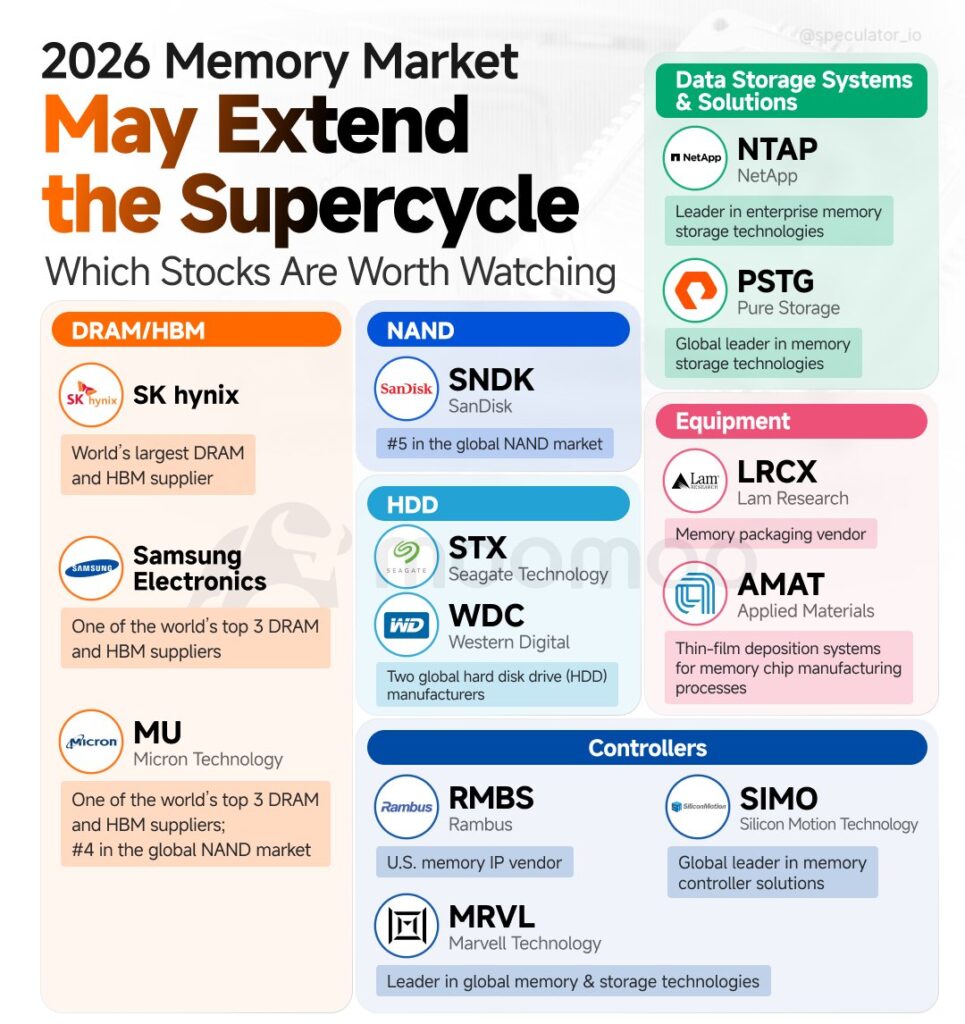

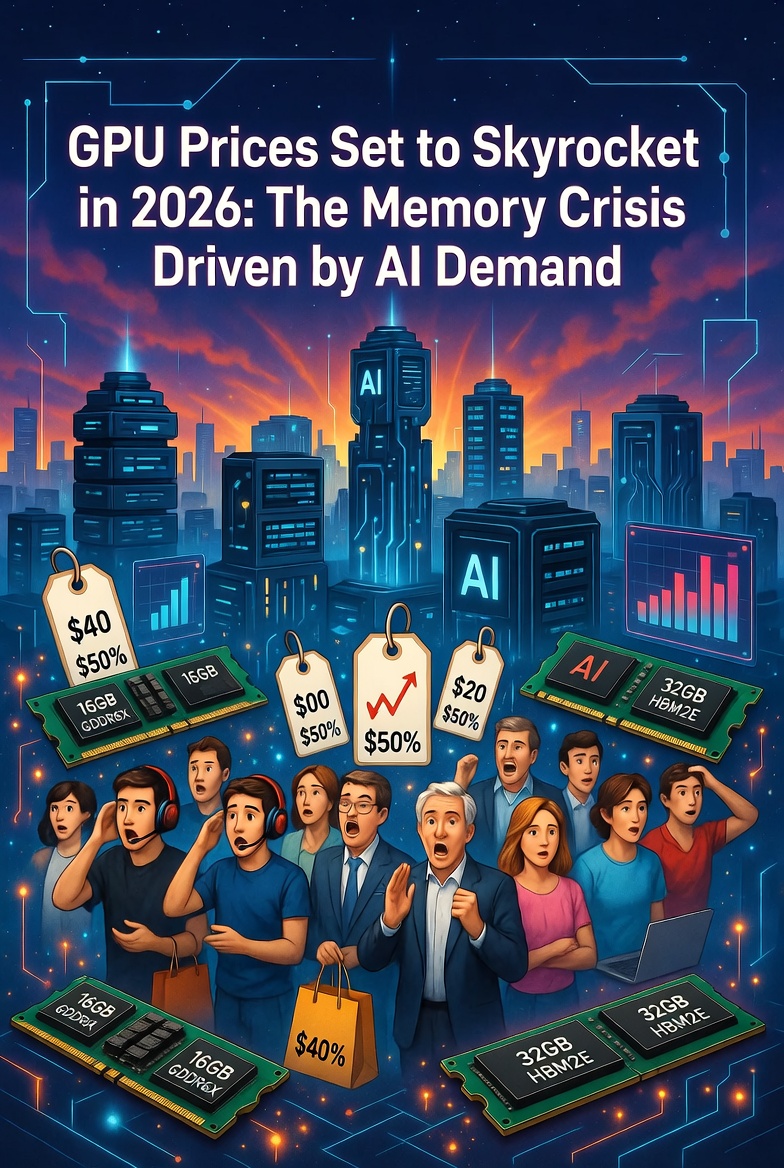
Why Memory Prices Are Rising In 2026 And Why It Affects Every Device. Which RAM To Buy In Early 2026 Amid The Memory Market Crisis Post 148700 En . Het Supercyclus Van Geheugen In 2026 Waarom DRAM HBM En NAND 2026 Memory Market Supercycle 965x1024 . Consumer Memory Prices 2026 What To Expect Com Opinion Will Memory Chips For Consumers Become Expensive In 2026 . GPU Prices Set To Skyrocket In 2026 The Memory Crisis Driven By AI Demand Image 2026 01
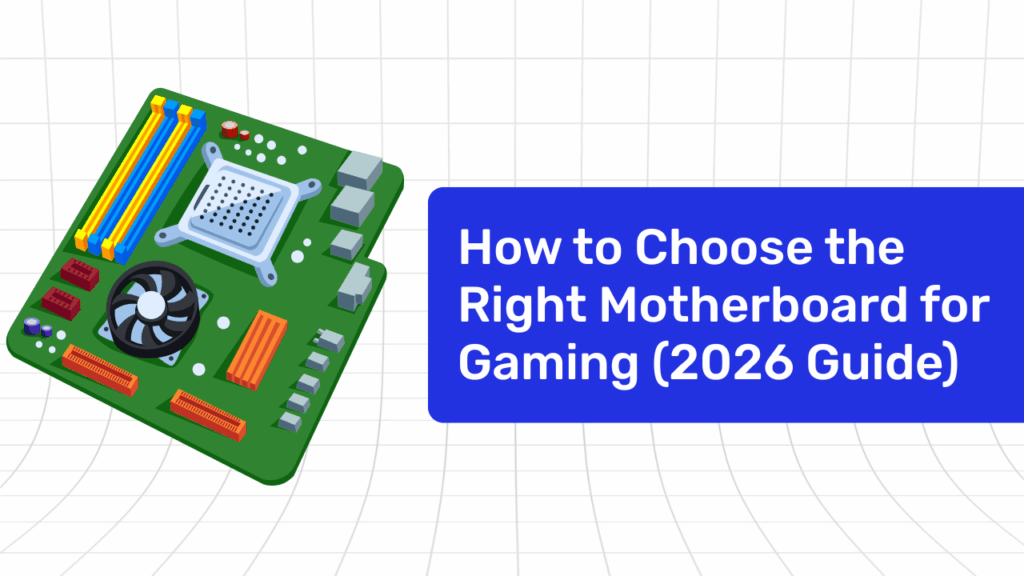

How To Choose The Right Motherboard For Gaming 2026 Guide How To Choose The Right Motherboard For Gaming 2026 Guide 1024x576 . 2026 Memory Shortage What It Means For Rugged Devices 2026 Memory Shortage 768x512 . 12 Best RAM For Gaming June 2026 Expert Reviews Comparisons Featured Image 91alw1kl 300x210 . PC Prices Projected To Surge By 2026 Amid AI Driven Memory Shortage SRKK PC Prices Projected To Surge By 2026 Amid AI Driven Memory Shortage 1 . Best Gaming ISPs For 2026 GAMES GG Best Gaming IS Ps For 2026 8b365c02c1



10 Best Gaming Phones In 2026 10 Best Gaming Phones 2026 Main . Best Gaming PC For Under 500 In 2026 Exp Gaming PC Guru Best Gaming Computer Memory Featured 800x500 . Gaming RAM In 2026 XMP 3 0 AMD EXPO And How To Choose 5.3 1024x572 . Memory Game Road To Las Vegas 2026 FMWC Memory Game . Articles By Nick Evanson Hardware Writer PC Gamer 650 80
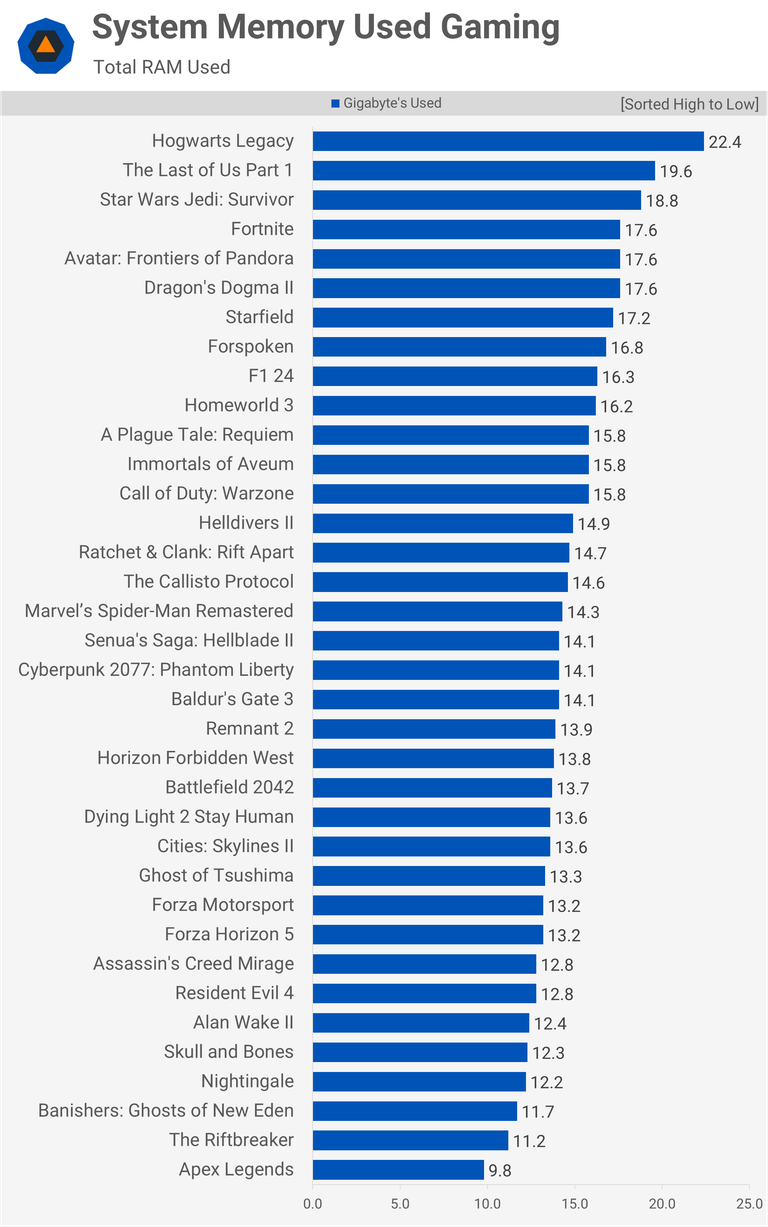

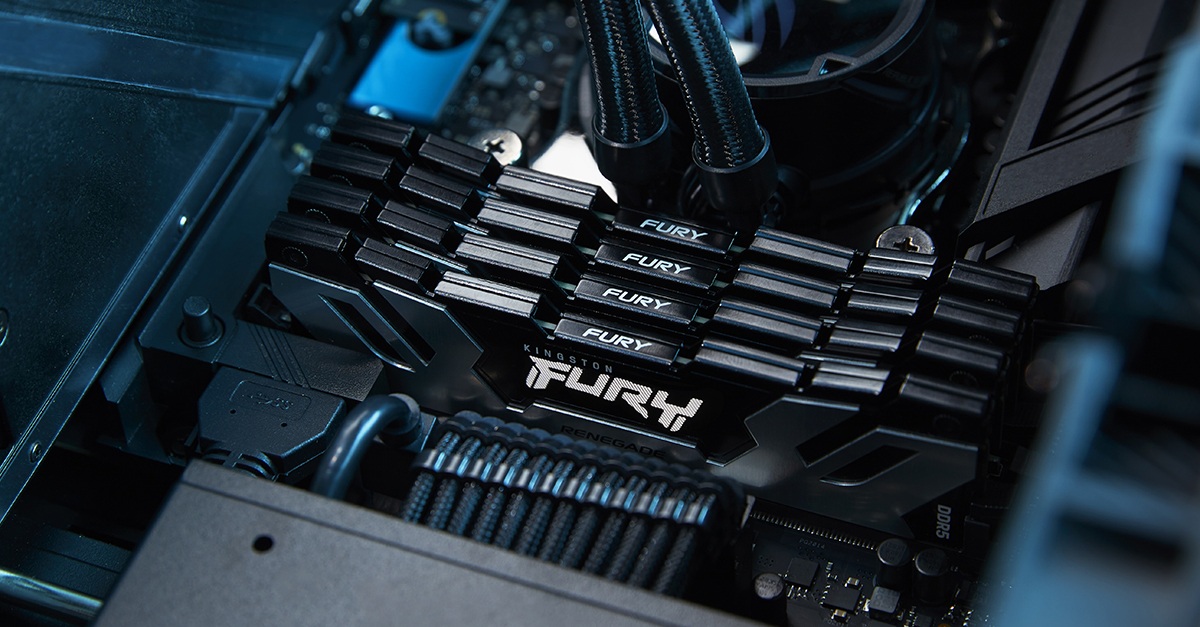

How Much RAM For A Gaming PC In 2024 16 Vs 32 Vs 64 GB Tested In 30 Games 1720102545 2201 Photo . Top 10 Most Anticipated Games Of 2026 What To Watch Out For TVN GAMES IN 2026 . 2026 Is Already Packed With Highly Anticipated Games MegaGames 2026 Is Already Packed With Highly Anticipated Games 01 920x520 . How Much Memory Do You Need For Gaming Kingston Technology Ktc Opengraph Blog Gaming How Much Memory For Gaming . Best RAM For Gaming In 2024 Best Ram Gaming 550x309


The Coming Memory Shortage Of 2026 What The Data Tells Us And How To Image 5 . Memory Market Chaos Is Impacting PS6 Xbox Switch 2 And PC Hardware Ddr5 Ram . The BIG Game 2026 Digraphs Memory Game By Faith N Firsties TPT 750f 3618135 4 . PC 32GB 64GB BTO 2026 Gaming Pc Memory 32gb 64gb Guide 2026