Exploring the Confucianism Map reveals its profound historical and cultural journey across Asia, influencing societal structures and individual ethics for centuries. This ancient philosophical system, originating with Confucius in China, emphasizes virtues like benevolence, righteousness, propriety, wisdom, and fidelity. Understanding its geographical spread helps grasp its impact on various nations and their governance. For a US audience, seeing how these principles resonate or contrast with Western thought offers unique insights into global ethics. Navigating this informational landscape provides crucial context for East Asian studies, international relations, and comparative philosophy. Delve into the core tenets and their enduring relevance, tracing the ideological pathways of this foundational school of thought from antiquity to its modern interpretations. This exploration unpacks Confucianism's enduring legacy and its continued academic and cultural significance.
What areas are covered by the Confucianism Map?
The Confucianism map primarily covers East Asian nations. It includes its birthplace, China, and extends to significant regions like Korea, Japan, and Vietnam. These areas adopted and integrated Confucian principles into their societal, governmental, and educational frameworks. The map visually traces the historical pathways of this pervasive philosophical influence across the continent, highlighting its enduring reach over millennia.
How did Confucius's teachings spread across the Confucianism Map?
Confucius's teachings spread across the Confucianism map through cultural exchanges, trade routes, and the adoption by various ruling elites. Chinese dynastic influence played a key role, with scholars and emissaries carrying these ideas. Education became a vital vehicle, as Confucian classics formed the basis of civil service exams and moral instruction in many East Asian countries, ensuring widespread propagation.
What fundamental principles are central to the Confucianism Map's influence?
Fundamental principles central to the Confucianism map's influence include ren benevolence, yi righteousness, li propriety, and xiao filial piety. These tenets guided individuals in their ethical conduct and shaped societal hierarchies and governance. The emphasis on moral cultivation, respect for elders, and a harmonious social order were pivotal in establishing and maintaining its widespread impact throughout the mapped regions.
Is the Confucianism Map relevant for understanding modern East Asia?
Yes, the Confucianism map is highly relevant for understanding modern East Asia. Its historical spread and deep integration into regional cultures mean its principles still subtly influence contemporary ethics, family values, and governance. From educational philosophies to business practices, echoes of Confucian thought can be observed, providing crucial context for today's societal norms and political dynamics.
Where can a modern student find resources about the Confucianism Map?
A modern student can find resources about the Confucianism map in university libraries, online academic databases, and specialized East Asian studies programs. Websites like the Stanford Encyclopedia of Philosophy or academic journals on Asian studies offer comprehensive insights. Additionally, historical atlases focusing on ancient China and its cultural diffusion provide visual context for understanding its geographical reach.
The Confucianism map offers a fascinating look at an ancient philosophy's journey. It details who Confucius was, what his teachings involved, and when they emerged around 6th century BCE in where ancient China. This system spread across East Asia, profoundly shaping societies for over two millennia. Understanding why this cultural diffusion occurred and how it influenced governance, family, and individual ethics provides unique insights. For many in the USA, exploring the Confucianism map bridges gaps between historical ethics and contemporary values, offering a rich global perspective. Our journey will reveal its incredible spread and lasting impact. The Confucianism map essentially charts the geographical reach of Confucius's teachings. Originating in ancient China around the 6th century BCE, it profoundly influenced its native land. This philosophy later diffused into neighboring regions like Korea, Japan, and Vietnam. These areas adopted and adapted its principles over centuries. This spread wasn't just geographical but deeply cultural. It impacted governance, family structures, and individual morality in lasting ways. Visualizing this cultural diffusion helps us grasp its historical power. At its heart, Confucianism emphasizes ethical living and societal harmony. It promotes virtues such as ren benevolence, yi righteousness, li propriety, zhi wisdom, and xin fidelity. These core tenets guide human behavior and interactions. The philosophy stresses respect for elders and education. It also advocates for a merit-based bureaucracy. These ideas traveled along trade routes and through scholarly exchanges. The Confucianism map shows us where these ideas took root. It also illustrates how they became integral parts of diverse civilizations. The influence of Confucianism extends far beyond ancient times. Even today, its principles resonate in modern East Asian societies. Discussions about leadership, education, and family values often reflect Confucian thought. For a United States audience, understanding this influence is crucial. It provides context for global business, diplomacy, and cultural appreciation. We can see parallels and differences with Western philosophical traditions. This global perspective enriches our understanding of diverse ethical frameworks.Here's a quick look at the major regions influenced by the Confucianism map:
| Region | Primary Period of Influence | Key Aspects of Adoption |
|---|---|---|
| China | 200 BCE Present | State ideology ethical framework civil service |
| Korea | 1st Century CE Present | Family structure ancestor worship education |
| Japan | 7th Century CE Present | Feudal ethics loyalty social hierarchy |
| Vietnam | 1st Century BCE 19th Century CE | Governance education social order |
What Others Are Asking about the Confucianism Map?
What is the geographic spread of the Confucianism Map?
The geographic spread of the Confucianism map primarily covers East Asia. It originated in ancient China and significantly influenced Korea, Japan, and Vietnam. Its principles permeated these societies, shaping their governance, educational systems, and family values. This extensive reach over millennia cemented its role as a foundational philosophical system across the region.
How did the Confucianism Map show its spread throughout Asia?
The Confucianism map illustrates its spread throughout Asia through various mechanisms. These included trade routes, scholarly exchanges, and diplomatic missions. Chinese cultural hegemony played a significant role in its diffusion. Rulers in neighboring states often adopted Confucian principles to legitimize their own governance and establish structured societies. Education systems also became vehicles for its propagation.
What are the core tenets highlighted on a Confucianism Map?
A Confucianism map highlights regions where core tenets like ren benevolence, yi righteousness, and li propriety took root. It also shows areas emphasizing filial piety, respect for authority, and the importance of education. These ethical principles were central to shaping social harmony and good governance in influenced territories.
Is the influence of the Confucianism Map still relevant globally?
Yes, the influence of the Confucianism map remains relevant globally in 2026. Its ethical frameworks continue to influence discussions on leadership, social responsibility, and family values in East Asia. Academics and policymakers worldwide often study Confucian concepts for insights into governance and societal cohesion. Its emphasis on personal cultivation holds universal appeal.
What role did the Confucianism Map play in shaping East Asian societies?
The Confucianism map reflects a pivotal role in shaping East Asian societies. It provided a moral and ethical foundation for governance, emphasizing benevolent rule and meritocracy. It also structured family relations through filial piety and promoted education as a means for individual and societal improvement. Its principles fostered social stability and cultural identity across the region.
FAQ about the Confucianism Map
Who founded Confucianism shown on the map?
Confucianism, whose spread is seen on the map, was founded by the Chinese philosopher Confucius. His teachings, compiled in the Analects, form the bedrock of this philosophical system. He lived from 551 to 479 BCE, advocating for ethical living.
What does a Confucianism Map represent?
A Confucianism map visually represents the geographical and historical reach of Confucian philosophy. It illustrates how Confucius's ideas spread from China across East Asia. This map highlights key centers of influence and cultural adoption.
Why is understanding the Confucianism Map important for Americans?
Understanding the Confucianism map is crucial for Americans to comprehend East Asian history and culture. It reveals deep philosophical roots influencing societies today. This knowledge provides context for international relations and global understanding.
How can one explore the Confucianism Map further?
One can explore the Confucianism map further by consulting historical atlases and academic texts. Researching the Analects and related commentaries offers deeper insights into the philosophy. Engaging with cultural studies of East Asia also helps understand its impact.
Summary of Key Points about the Confucianism Map
The Confucianism map illustrates a profound philosophical journey across East Asia. It details the spread of Confucius's ethical teachings from ancient China. Key virtues like benevolence and propriety shaped societies. Its influence remains significant in cultural and political discussions today. Understanding this map enriches our global perspective.
Confucianism map highlights its origin in ancient China, its spread across East Asia including Korea, Japan, and Vietnam, and its enduring influence on culture, ethics, and governance. Key areas of philosophical development and impact are visually represented, showing its evolution over millennia.


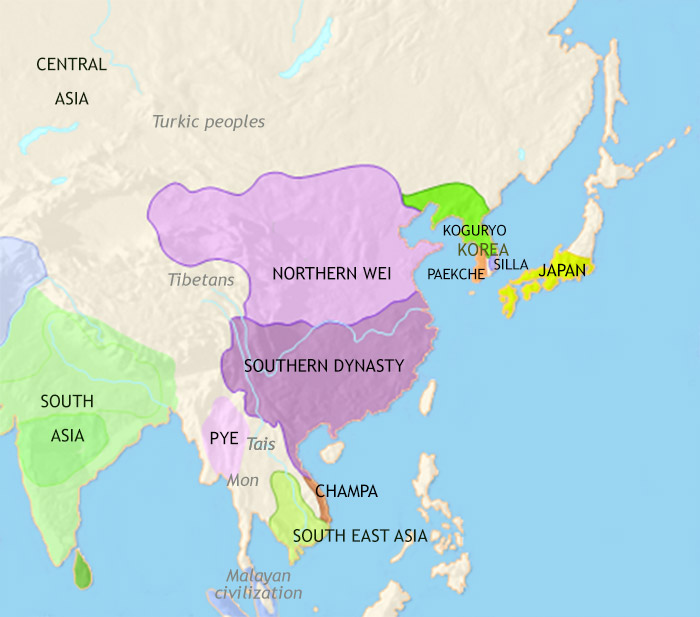


Spread Of Map Parts Of World Dominated By . World Map Map Of The Confucian World . Modern Map EastAsia AD500 . Mr Henson History . Discover The Rich History Of


PPT SACRED PLACE SACRED SPACE THE GEOGRAPHY OF RELIGIONS AND Sacred Sites Of L . PPT THE SPREAD OF IN EAST ASIA PowerPoint The Confucian World L . Map By Gabriella Honeywell On Prezi 3 0 . Modern Map 16124 . PPT PowerPoint Free Download ID 5120898 Where Is Studied L


Spread Of Map M1 2 . Modern Map Ming Dynasty 1368 1644 3589789 Orig . Population Map 12384 . Origin Map B43CFA5F BB9C 4278 A1FC . Spread Of Map M9 6


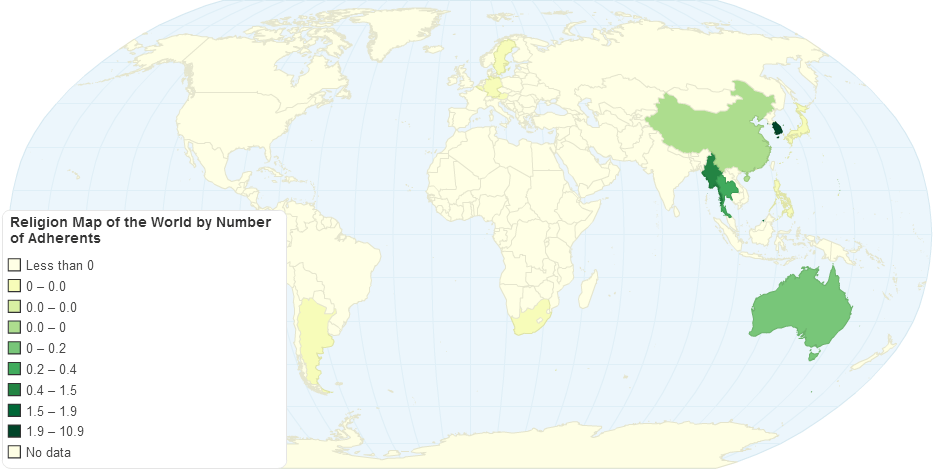

Spread Of Map Confucius For Dummies . Population Map . Population Map Sddefault . Population Map L 30469. Origin Of Map


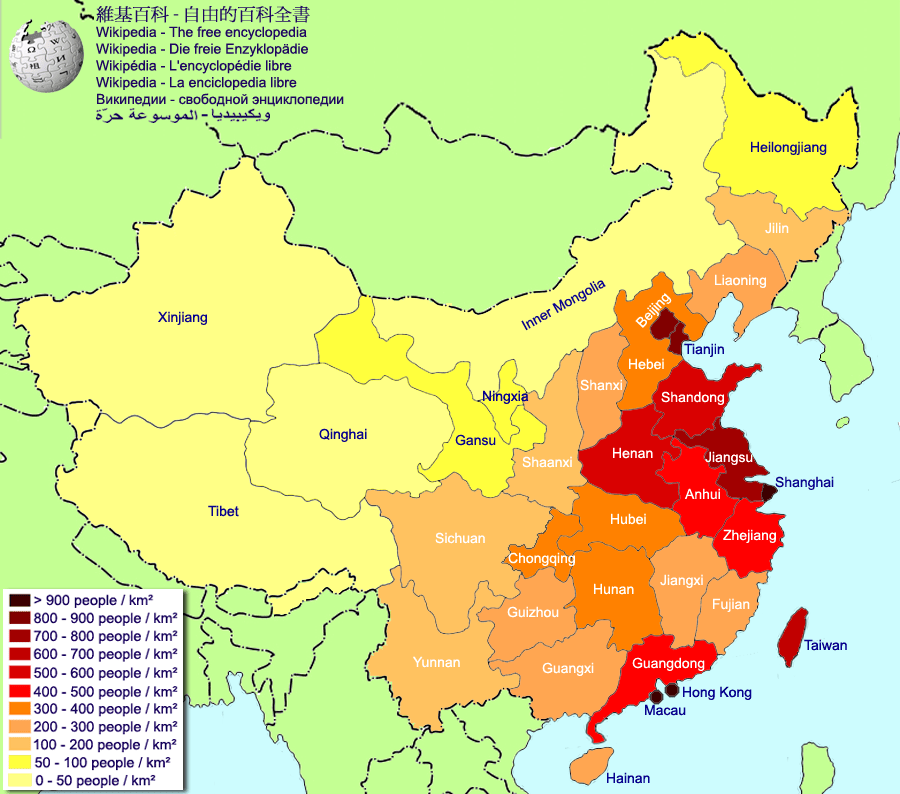

The Influence Of On Corporate Investment 11 05941 G001 . Population Map M9 5 . Diffusion Map China Spread Agriculture . Population Map China Popualtion Density . Population Map Of Confucius Institutes By World Region


Population Map Screen Shot 2019 01 09 At 4.52.35 Pm . Home For Still1a . Map Of Spread M9 4 . World Map . Spread Of Map Proposed Of Rabies Viruses Between China And Neighboring


In China A Deep Dive Into Its Legacy And Influence In China Blog Header . Spread Of Map Promotion And Spread Of L . Spread Of 19850 . Beijing Temple Of Confucius 2026 History Highlights Visitor Tips 2.. Map Of Spread