Explore the captivating geography of Italys mountain ranges with an in depth Italy mountains map Discover the majestic Alps forming Italys northern border a playground for winter sports and summer hikes Venture into the dramatic Dolomites a UNESCO World Heritage site renowned for its unique rock formations and breathtaking vistas Traverse the length of the Italian peninsula following the rugged Apennine Mountains a vital backbone shaping Italys diverse landscapes and climate This guide offers essential navigational insights into Italys mountainous regions highlighting key peaks national parks and popular destinations for travelers and outdoor enthusiasts Understand the distinct characteristics of each range from glacial peaks to forested slopes providing an informational overview for planning your Italian adventure The Italy mountains map reveals a country rich in alpine beauty and challenging terrains perfect for anyone looking to experience Italys wilder side
Q: What are the main mountain ranges in Italy? A: Italy features two primary mountain systems: the Alps in the north and the Apennine Mountains, which form the peninsula's backbone. The Dolomites are a distinct and famous range within the Eastern Alps. These ranges define much of Italy's diverse and captivating landscape. Q: Which part of Italy is most mountainous? A: The northern regions of Italy, bordering countries like France, Switzerland, and Austria, are highly mountainous due to the presence of the Alps. The central and southern parts of the peninsula also feature extensive mountainous terrain, dominated by the Apennine chain. Q: What is the highest peak in Italy? A: The highest peak entirely or partially within Italy is Mont Blanc (Monte Bianco), reaching 4,810 meters (15,781 feet). This magnificent mountain is shared with France and is a prime destination for mountaineering and breathtaking alpine vistas. Q: Are there significant mountains in southern Italy and Sicily? A: Yes, southern Italy is home to the continuing Apennine range, including notable peaks in regions like Calabria. Sicily also has significant mountainous areas, most famously Mount Etna, an active stratovolcano that dominates the eastern part of the island. Q: Can tourists ski or hike in Italy's mountains? A: Absolutely! Italy is a world-class destination for both skiing and hiking. The Dolomites and the Italian Alps offer extensive networks of trails and ski resorts, while the Apennines provide rugged, less crowded options for outdoor enthusiasts. Q: What unique features do the Dolomites offer on the Italy mountains map? A: The Dolomites are unique for their pale, jagged limestone peaks and dramatic vertical walls, earning them UNESCO World Heritage status. They provide unparalleled opportunities for via ferrata, rock climbing, and scenic drives, setting them apart from other alpine ranges. Q: How do Italy's mountains influence its culture and climate? A: Italy's mountains profoundly influence its culture, fostering distinct regional traditions, cuisines, and languages. Climatically, they create varied microclimates, blocking northern winds and trapping moisture, leading to diverse weather patterns across the peninsula. The Italy mountains map showcases a remarkable landscape where majestic peaks and rugged ranges dominate much of the country, influencing its climate, culture, and outdoor activities. From the towering Alps bordering the north to the extensive Apennine chain traversing the peninsula, these mountains define Italy's diverse geography. They offer unparalleled opportunities for exploration, providing stunning vistas and rich biodiversity, making them a prime destination for adventurers and nature lovers seeking to understand Italy's natural grandeur. H1: Unveiling the Grandeur: Your Comprehensive Italy Mountains Map Guide. H2: Discovering Italy's Majestic Mountain Ranges on the Map. Italy's physical map is largely shaped by its incredible mountain systems. The northern part of the country is dominated by the majestic Alps, which form a natural border with neighboring countries. Moving south, the impressive Apennine Mountains run like a backbone, stretching almost the entire length of the Italian peninsula. These ranges significantly impact local climates and create diverse ecosystems. The Dolomites, a distinct section of the Eastern Alps, stand out with their unique, pale limestone formations. They are a UNESCO World Heritage site, famous for their dramatic spires and deep valleys. These mountains offer incredible opportunities for hiking, climbing, and skiing, attracting enthusiasts from all over the globe to experience their unique beauty. Beyond the northern giants, the Apennine Mountains present a different kind of beauty, characterized by rolling hills, forested slopes, and rugged peaks. This range cradles numerous national parks, preserving ancient forests and diverse wildlife. Exploring an Italy mountains map reveals how these mountains contribute to the country's varied natural charm and regional identities. H2: Key Geographical Features on the Italy Mountains Map. Italy's mountains are home to some of Europe's most significant peaks and valleys. The Italian Alps boast impressive summits like Mont Blanc, which Italy shares with France, reaching an astounding 4,810 meters (15,781 feet). This region features vast glaciers and picturesque alpine lakes, creating stunning panoramic views. In the central Apennines, Corno Grande in the Gran Sasso d'Italia massif stands as the highest peak of the entire Apennine chain. The surrounding national parks protect unique flora and fauna, offering serene escapes. An Italy mountains map highlights these vital geographical landmarks, guiding you through Italy's untamed heart. The diverse terrains, from the snow-capped summits of the Alps to the sun-drenched slopes of Sicily's volcanoes, offer varied experiences. Italy's mountain geography is not just about peaks; it encompasses a complex network of valleys, rivers, and high-altitude plateaus. This rich environment supports a wide array of outdoor activities and preserves invaluable natural heritage. Italy's Major Mountain Ranges on the Map: Range: Dolomites, Location: Northeastern Italy, Highest Peak: Marmolada (3,343m), Notable Features: UNESCO World Heritage, pale limestone peaks. Range: Alps, Location: Northern border, Highest Peak: Mont Blanc (4,810m, shared), Notable Features: Glaciers, ski resorts, diverse ecosystems. Range: Apennines, Location: Runs down the peninsula, Highest Peak: Corno Grande (2,912m), Notable Features: National parks, rugged terrain, extensive forests. Range: Sardinian Mountains, Location: Sardinia, Highest Peak: Punta La Marmora (1,834m), Notable Features: Ancient landscapes, unique Mediterranean flora. H2: What Others Are Asking About Italy Mountains Map? H3: What are the main mountain ranges in Italy? Italy's main mountain ranges include the Alps, which dominate the northern border, and the Apennines, extending down the entire length of the peninsula. The Dolomites are a significant part of the Eastern Alps, known for their unique geological formations. These ranges define much of Italy's stunning natural landscape. H3: Which part of Italy is mountainous? The northern part of Italy is very mountainous, home to the formidable Alps and Dolomites. The entire central and southern backbone of the Italian peninsula is also mountainous due to the Apennine range. Only coastal areas and the Po Valley in the north are largely flat. H3: What is the highest mountain in Italy? The highest mountain within Italy is Mont Blanc (Monte Bianco), standing at 4,810 meters (15,781 feet). While its peak is shared with France, the Italian side offers breathtaking access and stunning views of this alpine giant, making it a pivotal feature on any Italy mountains map. H3: Are there mountains in southern Italy? Yes, southern Italy features significant mountainous terrain as the Apennine range extends all the way through regions like Calabria and into Sicily. Mount Etna, an active volcano on Sicily, also contributes to the island's mountainous character, providing diverse landscapes. H3: Can you ski in the Italian mountains? Absolutely! Italy is a premier destination for skiing, especially in the Alps and Dolomites. Renowned resorts like Cortina d'Ampezzo and Val Gardena offer world-class slopes, modern facilities, and stunning scenery. The Apennines also provide smaller, charming ski areas. H2: FAQ About Italy Mountains Map. H3: What are the Italian mountains? The Italian mountains are prominent geological formations, primarily the Alps in the north and the Apennines running down the peninsula. They feature diverse landscapes, from glaciated peaks to forested slopes, providing rich biodiversity and recreational opportunities. H3: Why are Italy's mountains important? Italy's mountains are important for several reasons. They influence climate, provide water resources, host unique ecosystems, and support significant tourism through skiing, hiking, and cultural experiences. They also played historical roles in defense and trade. H3: How do the Alps and Apennines differ on the Italy mountains map? The Alps are generally higher, more rugged, and feature extensive glaciation, forming Italy's northern border. The Apennines are typically lower, older, and less glaciated, running centrally down the peninsula. Both offer distinct natural beauty and activities. H3: Who explores Italy's mountains? A wide range of people explore Italy's mountains, including hikers, skiers, climbers, nature photographers, and cultural tourists. Local communities also live within these regions, maintaining traditional livelihoods. The mountains attract both domestic and international visitors. H3: Where can I find the most scenic mountain views in Italy? For some of the most scenic mountain views in Italy, head to the Dolomites in northeastern Italy, the Aosta Valley in the Italian Alps, or the Gran Sasso d'Italia in the central Apennines. These areas are celebrated for their dramatic landscapes. In summary, Italy's mountain ranges offer an incredible array of natural beauty and adventure. From the towering peaks of the Alps and the distinctive Dolomites to the expansive Apennines, an Italy mountains map reveals a country deeply connected to its rugged terrain. These regions are not only stunning to behold but also provide crucial ecosystems and vibrant cultural experiences. Whether you seek thrilling outdoor sports or serene natural escapes, Italy's mountains truly have something for everyone to discover and cherish.Italy's geography is defined by the mighty Alps in the north and the extensive Apennine chain running down its spine. The Dolomites, a unique part of the Alps, offer stunning limestone peaks. Major activities include skiing, hiking, rock climbing, and exploring national parks. The highest peak is Mont Blanc, shared with France.


Italy Mountains Map Map Of Italy Mountains Southern Europe Europe Italy Mountains Map . Map Of Italian Mountains Display Map Teacher Made Twinkl T G 1719226366 Map Of Italian Mountains Display Map Ver 1 . Political Map Of Italy Nations Online Project Italy Topografic Map . Mountains Of Italy Map Italy Mountains Map . Italy Mountains Map Tumblr 1280
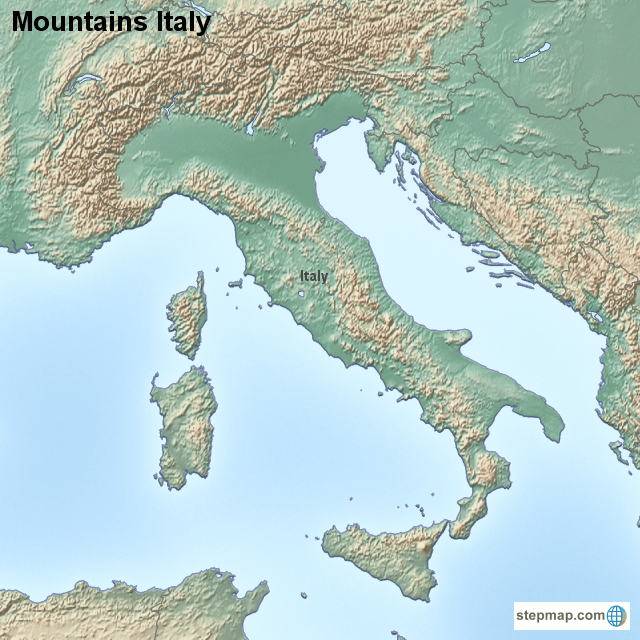


StepMap Mountains Italy Landkarte F R Italy Mountains Italy 1227364 . Italy Mountains Map Italy Physical Map . 49 Interesting Geography Of Italy Facts Free Infographic About The Mountains Of Italy 768x1024 . Mountain Ranges In Italy Map Map Of Rose Bowl Italy Peaks Map . Map Of Italy Mountains


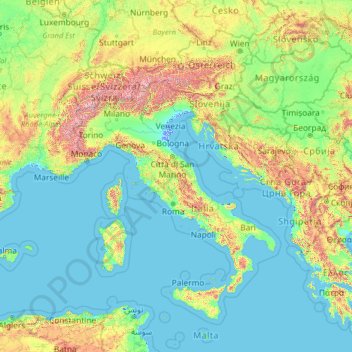


2026 Milan Cortina Olympic Venues City Arenas Scenic Mountains. Physical Map Of Italy Mountains T G 1694082556 Map Of Italy Ks2 Ver 2 . Italy Topographic Map Elevation Terrain Thumbnail . 2026 Reflections Of Italy Two Travel Gurus Reflections Of Italy 2026 Itinerary Map . One Year Out From The Opening Ceremony 2026 What To Expect From Winter 90


Italien Bergen Karte Physical Map Of Italy Shaded Relief Outside . The 2026 Milan Cortina Olympics Will Be Several Mountains Of Logistics 1 Xxsmall . Physical Map Of Italy Mountains Darken Physical Map Of Italy . Geography This Picture Is Of A Map Of The Many Mountains Italy Has . Where Are The Italian Alps On A Map At Natalie Stacey Blog
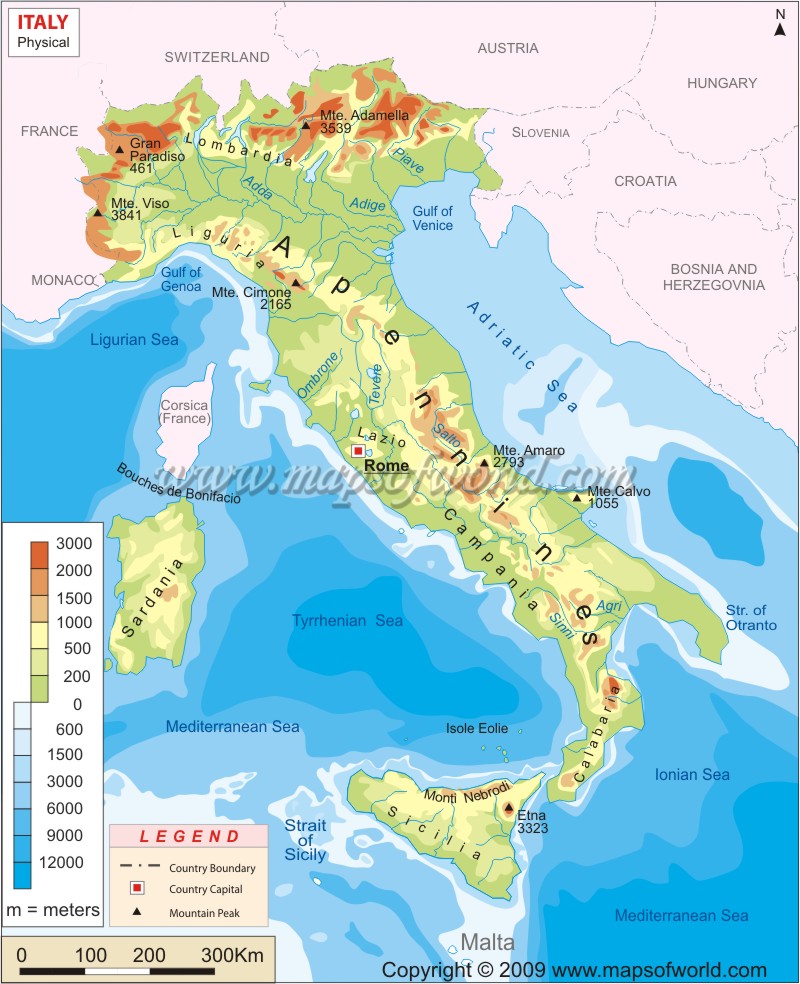


Major Rivers In Italy Map Italy Physical Map . Physical Map Of Italy Mountains . Physical Map Of Italy Complete Regional Guide To Italy S Mountains Physical Map Of Italy . Italy Maps Facts World Atlas It 01 . Milano Cortina 2026 Winter Olympic Games Host Bid Selection Venues 2026 Milano Cortina Winter Olympics Event Venue Interactive Map


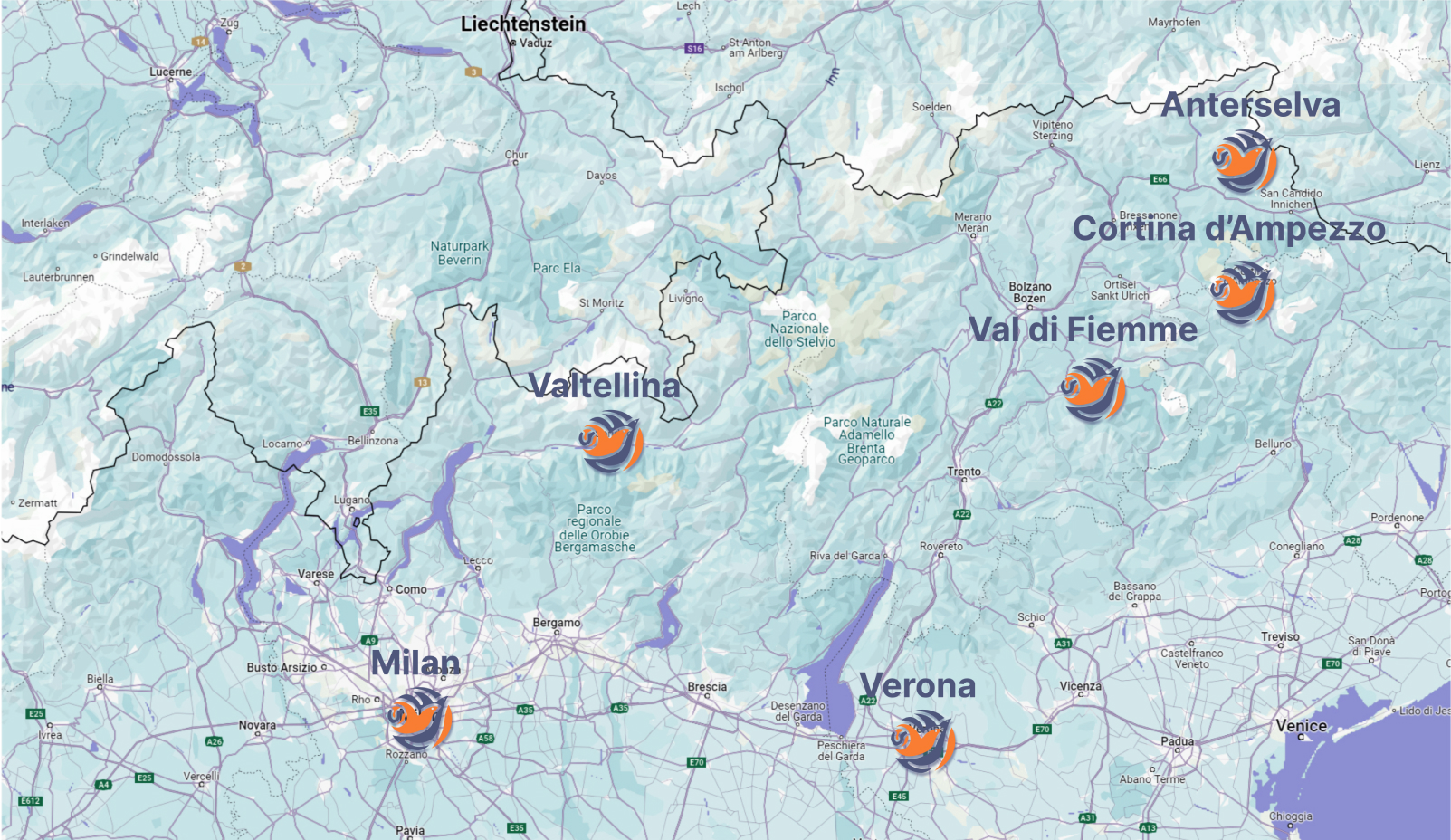


How To Book A Trip To The 2026 Winter Olympics In Italy Milan Olympics Map 768x402 . Deluxe 12 Day Northern Italian Lakes 2026 With Swiss Rail Lake Como. Winter Games 2026 In Italy Milan Cortina Travel Packages And Map . 2026 Winter Games Venues In Milan And Cortina 2026 Winter Games Venues 1024x780 . Italy Desk Calendar 2026 329392 Italy Desk Calendar Main


Italy Land Mountains Volcanoes Diagram Quizlet B . Map Mountains In Italy Italy Map Mountains Rivers Sticker Colorful Vector Geographic Lakes 261611079 . Glaciation Britannica Italy . Eyes On Italy At 2026 Milano Cortina Winter Olympics Milano Cortina 2026 Olympics . Die Toten Hosen Tour 2026 Duesseldorf Map Of Italy Ratinger Hof Social 1x1 082025