Are you a busy gamer juggling work and family life, dreaming of a dedicated space to unwind and dominate virtual worlds? This comprehensive guide on how to setup gaming center is your ultimate resource. We dive deep into practical solutions for common pain points like budget constraints, performance bottlenecks, and balancing screen time with real life. Discover expert tips on optimizing your setup for comfort, maximizing performance without breaking the bank, and integrating the latest gaming trends like mobile cross-play and social features. Learn about essential hardware, ergonomic considerations, and smart cable management to create a functional and aesthetically pleasing gaming haven. Whether you are a console enthusiast or a PC master, we'll help you craft a center that supports your passion for relaxation, skill-building, and connecting with friends. Get ready to transform your gaming experience.
What's the ideal room layout for a gaming center?
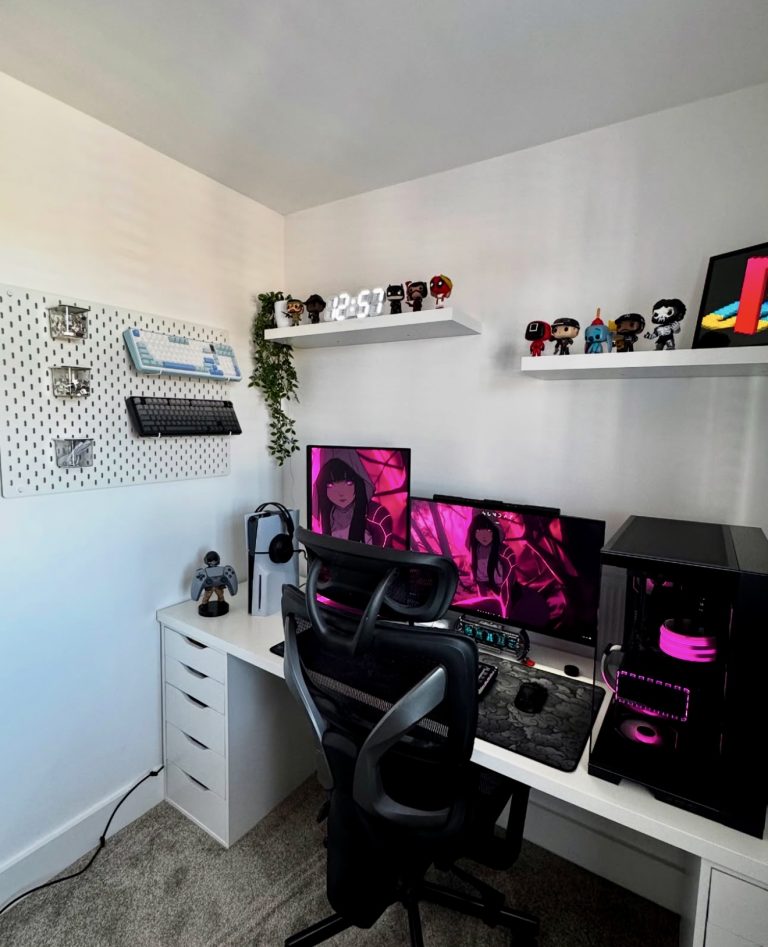
Consider a dedicated space, minimizing glare, and ensuring good airflow. Position your main display away from direct light sources to prevent reflections. Aim for a layout that allows easy access to ports and ample space for movement, especially if you plan for VR or motion-controlled gaming. A corner setup can maximize desk space and hide cables effectively.
How important is an ergonomic chair for long gaming sessions?
An ergonomic gaming chair is incredibly important for preventing back pain, neck strain, and fatigue during extended play. Many adult gamers, around age 36, spend significant time at their desks, balancing work and leisure. Investing in a chair with lumbar support, adjustable armrests, and a comfortable headrest can drastically improve your health and focus, making those 10+ hours a week more enjoyable.
Should I prioritize a high refresh rate monitor or higher resolution?
For competitive multiplayer games, a high refresh rate (144Hz+) monitor is generally preferred for smoother visuals and quicker reaction times, especially since 87% of gamers play regularly. For single-player story-driven games or content creation, a higher resolution (4K) offers a more immersive and visually stunning experience. Many modern gamers opt for a balance, such as a 1440p monitor with a high refresh rate, providing a sweet spot for both.
What are the must-have gaming peripherals for a new setup?
Beyond your console or PC, essential peripherals include a responsive gaming mouse and mechanical keyboard (for PC), a comfortable headset with a clear microphone for social play, and a high-quality controller (for console or PC). Consider a large mouse pad for precision and a sturdy desk that can accommodate all your gear. These are fundamental for an optimized "how to setup gaming center" experience.
How can I improve my gaming audio without expensive speakers?
A good gaming headset is often the best budget-friendly solution for immersive audio and clear communication. Look for headsets with virtual surround sound for positional audio cues in games. If you prefer speakers, even a decent pair of 2.0 or 2.1 desktop speakers can significantly enhance your experience compared to built-in monitor audio. Proper audio settings in your game and OS also make a big difference.
What's the role of smart lighting in a modern gaming center?
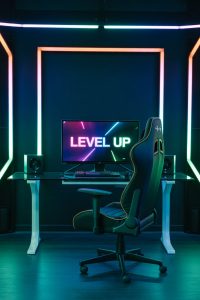
Smart lighting, like LED strips or smart bulbs, plays a significant role in setting the mood and reducing eye strain. Ambient lighting behind your monitor can alleviate contrast, making long sessions more comfortable. Plus, customizable RGB lighting adds a personal aesthetic touch that many gamers love, reflecting their unique style and enhancing the overall immersive feeling of their setup.
Is cloud gaming affecting how gamers set up their centers?
Yes, cloud gaming is indeed influencing how people "how to setup gaming center". While high-end local hardware is still dominant, the rise of services like Xbox Cloud Gaming or GeForce NOW means some gamers can enjoy AAA titles on less powerful machines, even on mobile devices, with just a strong internet connection. This trend emphasizes network infrastructure and versatile displays more than raw local processing power for some players.
Ever feel like your gaming passion is constantly battling for space and time amidst the demands of work, family, and life? You are not alone. For many US gamers, with an average age around 36, balancing a job and family while still wanting to enjoy those precious moments in virtual worlds is a real challenge. You crave a dedicated space—a true gaming center—where you can relax, focus, and connect with friends, but the thought of setting it up can feel overwhelming. From picking the right gear to making it comfortable and efficient, there are countless decisions. This guide is designed for you. We’ll walk you through exactly how to setup gaming center that not only performs exceptionally but also fits seamlessly into your busy lifestyle, maximizing your enjoyment without the hype.
We understand you value performance optimization, value for money, and staying current with trends without unnecessary fluff. We’ll tackle common pain points like setup issues, performance bottlenecks, finding games for limited time, smart hardware upgrades on a budget, and most importantly, how to create a space that genuinely helps you unwind and build skills. Ready to build your ultimate gaming sanctuary? Let’s dive in.
How Do I Start Planning My Gaming Center Setup Effectively?
The first and most critical step in figuring out how to setup gaming center is thoughtful planning. Begin by evaluating your available space. Do you have a dedicated room, a corner in a home office, or a section of your living area? Measure everything accurately. Next, establish a realistic budget. This isn't just for hardware, but also for furniture, accessories, and potential upgrades. Many gamers, nearly 87% who play regularly, want a high-quality experience without overspending. Consider what your primary gaming platform will be: PC, console, or a hybrid of both? This dictates much of your equipment choices and layout.
Think about the overall purpose of your gaming center. Is it just for personal play, or will it be a social hub for friends? For example, with social gaming being a massive trend, a setup that accommodates multiple players or comfortable viewing can be a game-changer. Also, consider the future; build a foundation that allows for easy upgrades or modifications down the line. A little upfront planning saves significant headaches and money later.
What Essential Hardware Do I Need for a Modern Gaming Center?
The core of any gaming center is its hardware. For PC gamers, a robust gaming PC is paramount. Focus on a strong CPU (Intel i5/i7/i9 or AMD Ryzen 5/7/9), a powerful GPU (NVIDIA RTX or AMD Radeon RX series), sufficient RAM (16GB minimum, 32GB recommended for 2026 gaming), and fast storage (NVMe SSDs are standard now). Console gamers will choose between the latest PlayStation, Xbox, or Nintendo Switch, often with external storage solutions.
Beyond the main platform, a high-quality monitor is crucial. Look for a balance of resolution (1440p or 4K are popular), refresh rate (120Hz or higher for smooth gameplay), and response time (1ms). Peripherals are your direct interface: a responsive gaming mouse, a tactile mechanical keyboard, and a comfortable, clear-sounding gaming headset with a good microphone for social interactions. Don't forget a reliable webcam if streaming or video calls are part of your routine, as creator influence continues to rise.
How Can I Optimize My Gaming Center for Comfort and Ergonomics?
Comfort is non-negotiable for long gaming sessions, especially for adults who game an average of 10+ hours a week. An ergonomic gaming chair is an investment in your health, preventing back pain, neck strain, and fatigue. Look for adjustable lumbar support, armrests, and seat height. Pair this with a sturdy gaming desk that is large enough to hold all your gear comfortably and allows for proper monitor placement at eye level.
Your monitor should be at arm's length, with the top of the screen even with your eyes to avoid neck strain. Consider a monitor arm for flexible positioning. Ensure your keyboard and mouse are at a comfortable height, allowing your forearms to be parallel to the floor. Good lighting, preferably ambient and not directly on your screen, can also reduce eye strain. Small adjustments can make a huge difference in your ability to relax and focus during gameplay.
What's the Best Way to Manage Cables and Keep My Gaming Space Tidy?
A cluttered gaming center can be a major source of stress and poor airflow. Effective cable management is key to maintaining a clean and functional space. Start by identifying all your cables: power, display, USB, network, audio. Use cable ties, Velcro straps, or cable sleeves to bundle them together neatly. Mounting power strips under your desk or in a cable management box hides them from view and prevents tangled messes.
Cable raceways can route cables along walls or under desks, making them virtually invisible. Labeling cables can also save future headaches when troubleshooting or upgrading. For a truly minimalist look, consider wireless peripherals where feasible. A tidy gaming center isn't just about aesthetics; it improves airflow, reduces dust buildup, and makes cleaning much easier, contributing to a more relaxing environment.
How Crucial Is My Internet Connection for a Smooth Gaming Experience?
In 2026, a robust internet connection is more critical than ever, especially with the rise of social gaming, cloud gaming, and always-online titles. For most US gamers, especially those engaging in online multiplayer, an Ethernet connection (wired) is superior to Wi-Fi. It offers lower latency, more stable speeds, and fewer disconnections, which are vital for competitive play.
While download speeds (50-100 Mbps minimum) are important for game downloads and streaming, upload speeds (10-20 Mbps minimum) are crucial for smooth online play and streaming your own content. Latency, often measured in ping, should be as low as possible (ideally under 50ms). Consider a router with Quality of Service (QoS) features to prioritize gaming traffic over other household internet usage. With services like Xbox Cloud Gaming becoming more prevalent, a reliable, fast connection is fundamental, regardless of your local hardware setup.
Can I Build a Great Gaming Center on a Budget?
Absolutely! Building a high-quality gaming center doesn't require breaking the bank. Smart budgeting is about prioritizing and finding value. For PCs, focus your budget on the GPU and CPU first, as these are the core performance drivers. You can save on other components like the case, secondary storage, or even a monitor initially, upgrading them later.
Look for sales events (Black Friday, Prime Day), consider refurbished components from reputable sellers, or explore the secondhand market for good deals on older-generation but still capable hardware. Many free-to-play games offer excellent experiences without an upfront cost. For console gamers, buying bundles or waiting for console revisions can offer savings. Remember, a comfortable chair and good internet can often enhance your experience more than the latest RGB fad. Smart spending allows you to enjoy your hobby without financial stress.
How Do I Balance Gaming with My Job and Family Life in My New Setup?
This is a major pain point for the average gamer around 36 years old. Your gaming center should be a place for relaxation, not another source of guilt. Establish clear boundaries and communicate them with your family. Set designated gaming hours, perhaps after work/chores or during specific weekends. Time management tools can help you stick to your schedule. For example, if you game 10+ hours a week, break it into manageable 1-2 hour sessions.
Consider family-friendly or cozy games that allow for shared experiences, integrating your loved ones into your hobby. Mobile gaming also offers flexibility for quick sessions during commutes or breaks. The key is balance: ensure gaming complements, rather than detracts from, your responsibilities and relationships. Your gaming center should be a reward, a place to de-stress and connect, not an escape from obligations.
What Are Some Current Trends to Consider for My Gaming Center in 2026?
The gaming landscape is constantly evolving, and a future-proof gaming center incorporates current trends. Mobile dominance is huge; consider how you can integrate your smartphone for cross-play, companion apps, or even as a streaming device. Cloud gaming services are expanding, meaning a top-tier internet connection and versatile display might be more important than owning the most powerful local PC for some titles.
Social gaming continues to thrive, with Discord and in-game communities being central. Ensure your setup facilitates clear communication. VR experiments are also becoming more accessible, so leave some space for potential VR setups. Finally, the
Plan your space and budget, select core hardware (PC/console, monitor, peripherals), prioritize ergonomics (chair, desk, monitor position), master cable management, optimize internet connection (Ethernet > Wi-Fi), build on a budget (refurbished, sales), balance gaming with life, integrate current trends (mobile, cloud), smart upgrades, enhance social play.
35
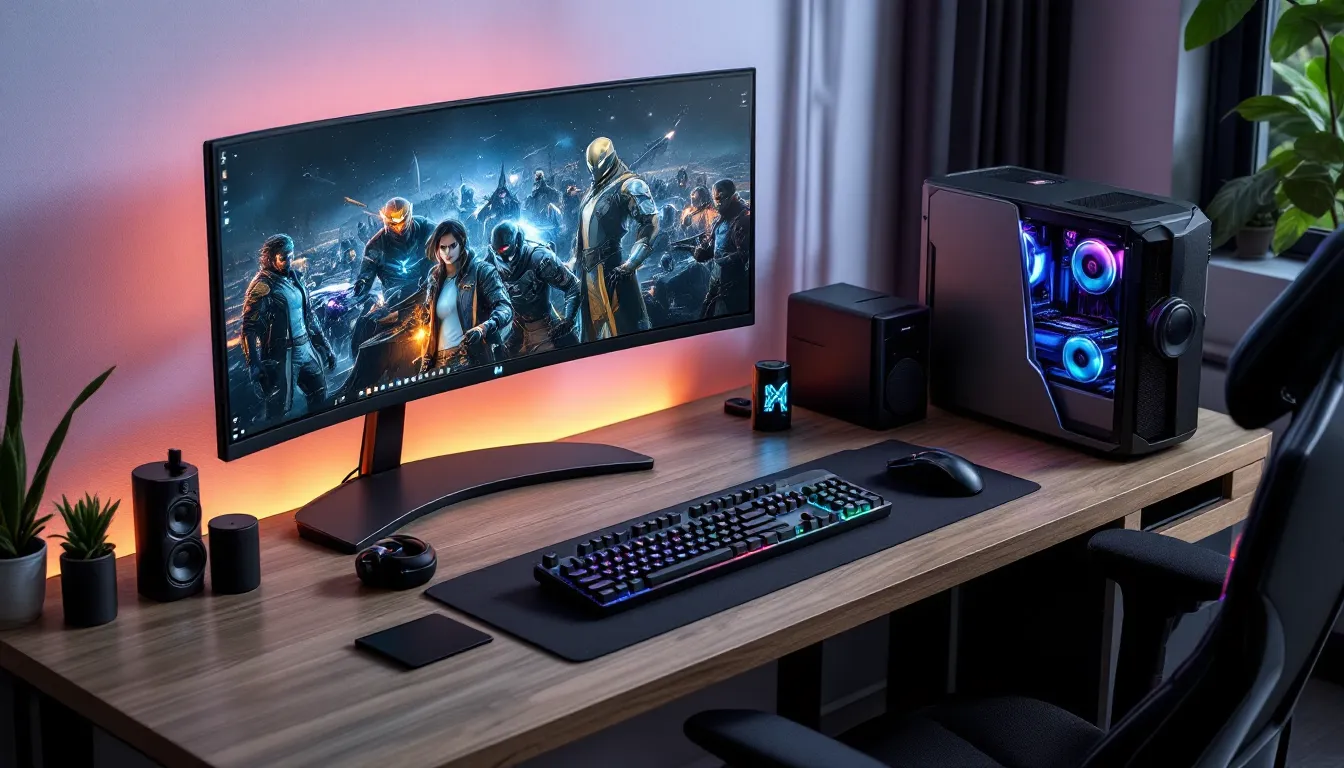

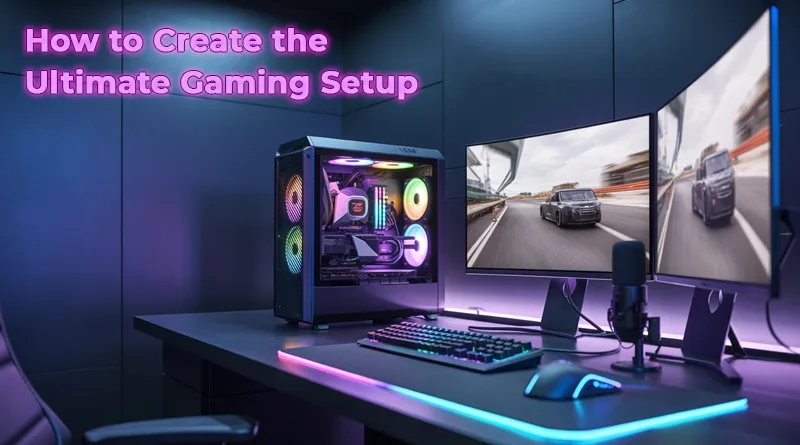

Gaming Desktop PC Guide 2026 Build The Ultimate Gaming Setup 2 2 3 . The Ultimate Gaming Setup In 2026 Build Your Dream Rig With Pro Level Airtable 1.webp. LAN Gaming Center Guide 2026 How To Start Profit Featured Image Po3kyap4 . How To Create The Ultimate Gaming Setup A Beginner S Guide 2026 How To Create The Ultimate Gaming Setup.webp. Building The ULTIMATE Gaming Setup 2026 YouTube

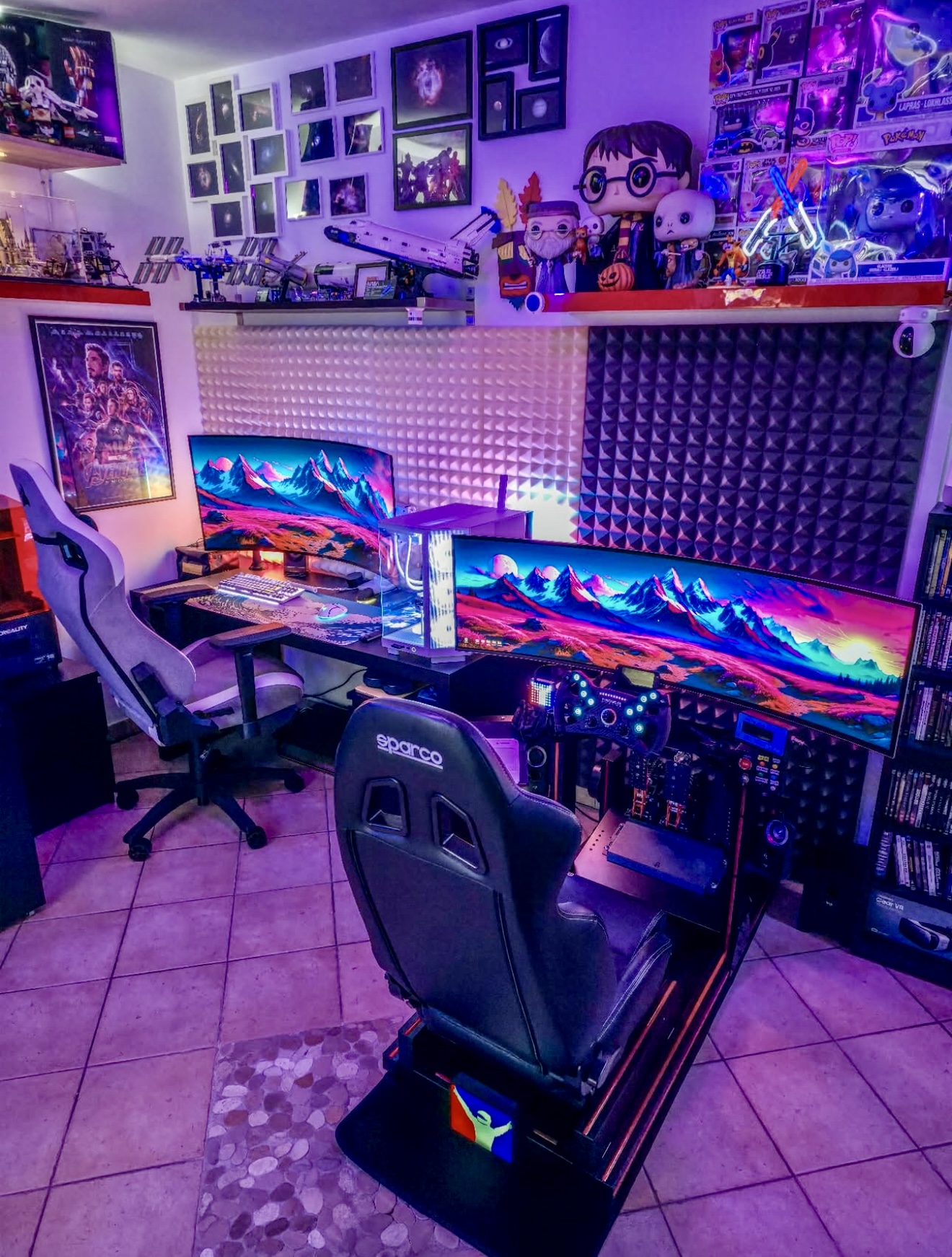

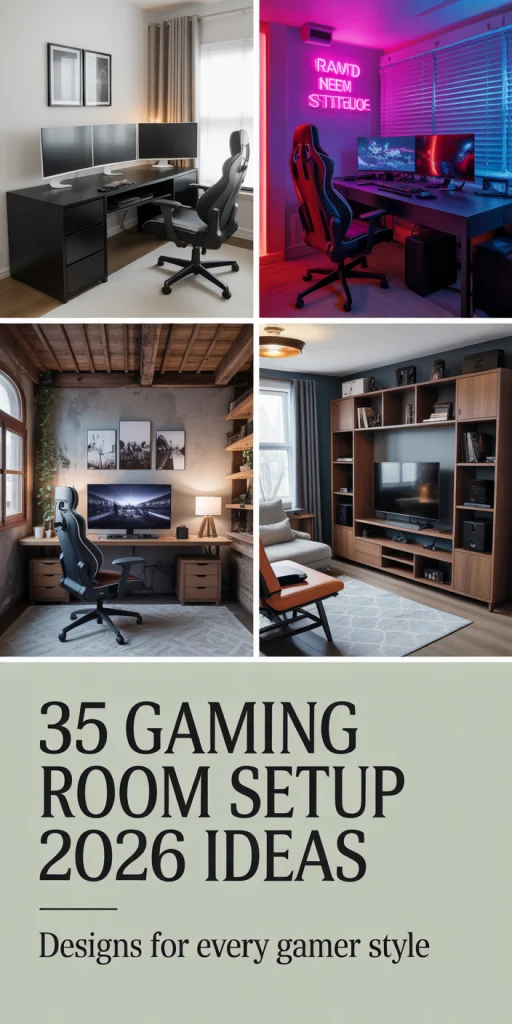
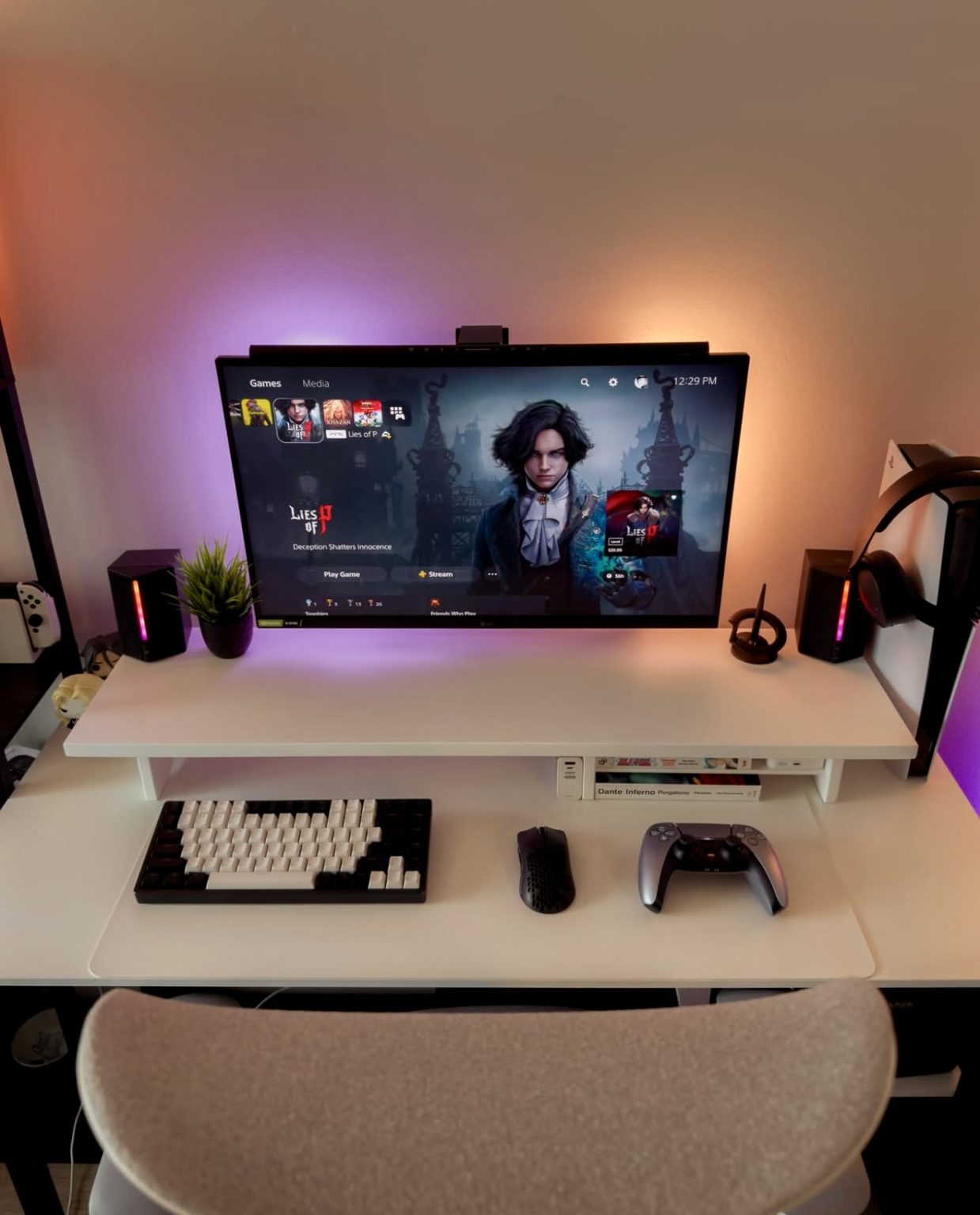
Best Budget Gaming Setup In 2026 Full Guide For Beginners Budget Friendly Gaming Setup In 2026 . 35 Gaming Room Setup 2026 Ideas That Redefine Cozy Minimalist And 12 3 . How To Build Your Dream Gaming Setup In 2026 How To Build Your Dream Gaming Setup.webp. 35 Gaming Room Setup 2026 Ideas That Redefine Cozy Minimalist And 44 1. 35 Gaming Room Setup 2026 Ideas That Redefine Cozy Minimalist And 14 2 1239x1536
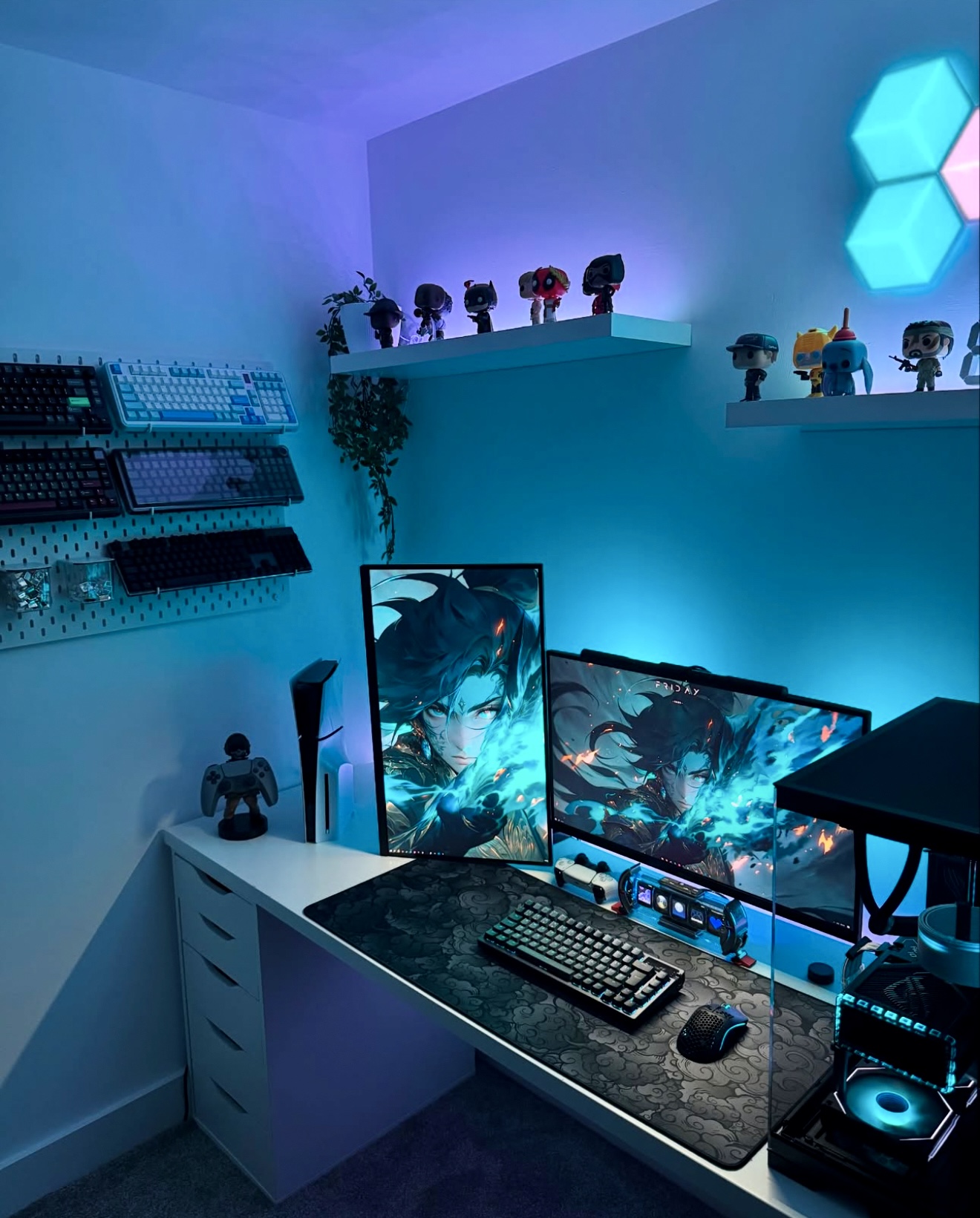


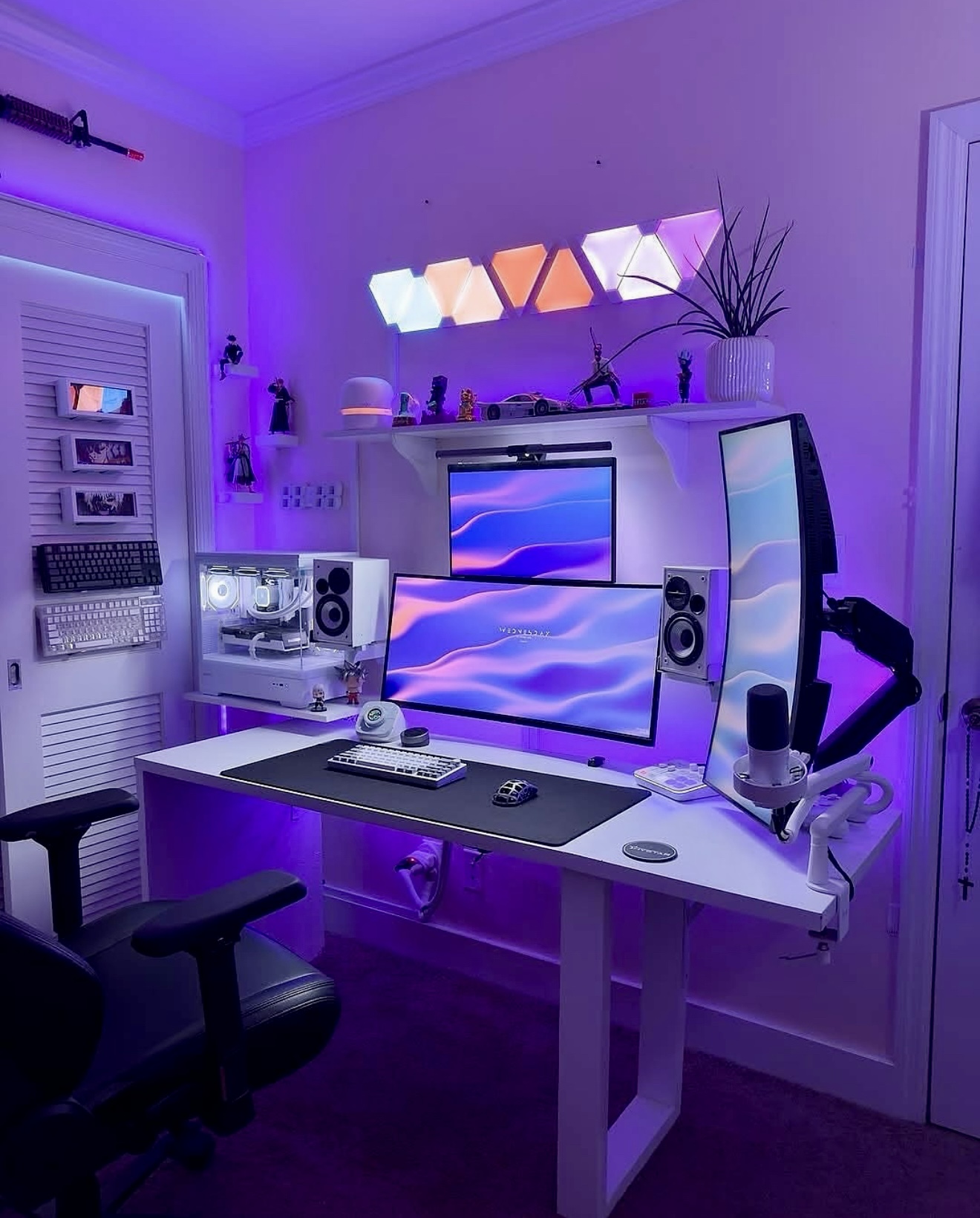
35 Gaming Room Setup 2026 Ideas That Redefine Cozy Minimalist And 24 2 . This Is My 2026 Gaming Setup YouTube . My Complete 2026 Gaming Setup Tour YouTube . 35 Gaming Room Setup 2026 Ideas That Redefine Cozy Minimalist And 2 2 . 35 Gaming Room Setup 2026 Ideas That Redefine Cozy Minimalist And 33 3
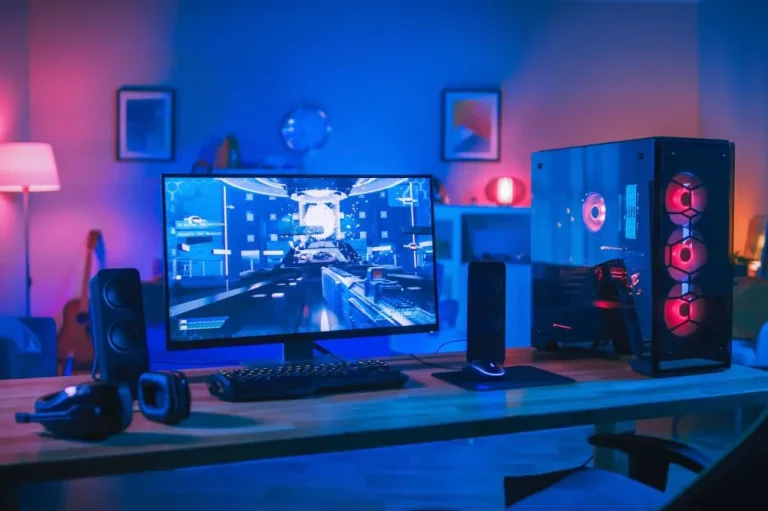
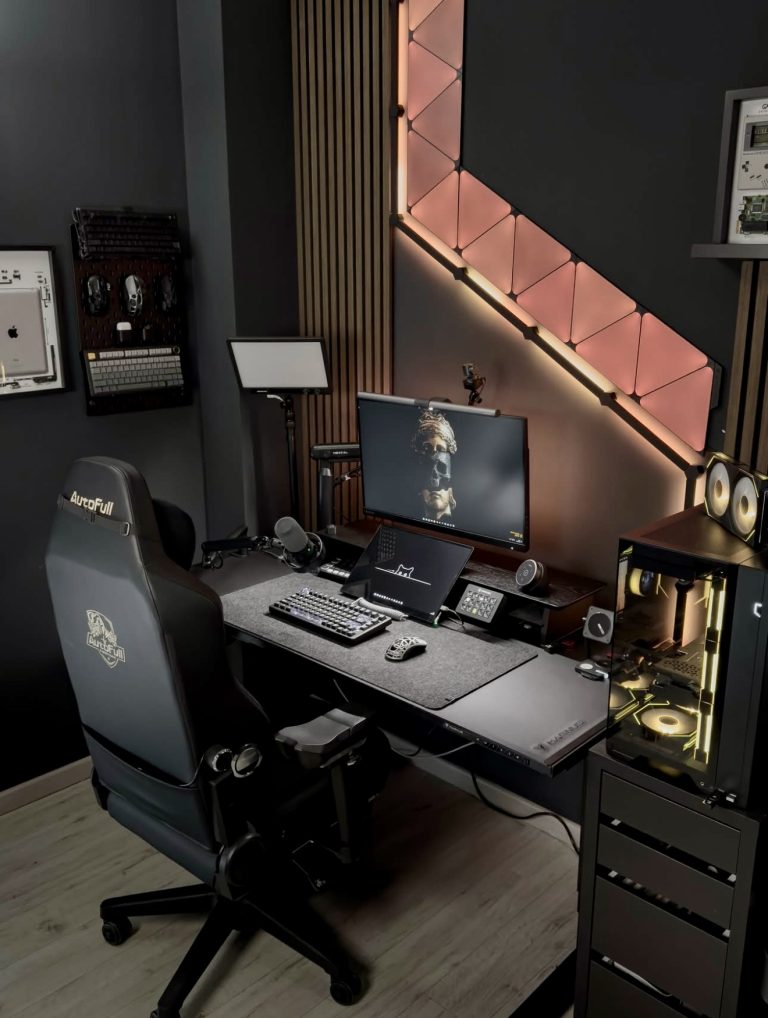

Best Console Gaming Setup 2026 For Ultimate Experience. Le Guide Complet Du Setup Gaming En 2026 Tout Ce Qu Il Faut Savoir Guide Setup Complet Gaming Scaled.webp. 35 Gaming Room Setup 2026 Ideas That Redefine Cozy Minimalist And 6 2 768x1018 . Best Gaming Setup And Guides For 2026 Expert Tips For Gamers. Best Gaming Setup 2026 Top PC Builds Monitors Chairs And RGB Setup Best Gaming Setup 860x484


Best Gaming Setup The Perfect Gaming Space In 2026 Gaming Setup Ideas 768x430 . 35 Gaming Room Setup 2026 Ideas That Redefine Cozy Minimalist And 10 2 768x1010 . 35 Gaming Room Setup 2026 Ideas That Redefine Cozy Minimalist And 4 2 1155x1536 . MY 2026 GAMING SETUP AND ROOM TOUR YouTube . I Built My Dream Gaming Setup 2026 YouTube


How To Build Your Dream Gaming Setup In 2026 Gaming On A Budget Affordable Gaming Headsets Keyboards And Laptops. How To Build A Gaming PC In 2026 Complete Parts Guide And Assembly Gaming Pc Build 2026 Hero . 35 Gaming Room Setup 2026 Ideas That Redefine Cozy Minimalist And 5 2 768x947 . Best Game Room Ideas 2026 20 Best Gaming Setups An Ultimate Guide MSI MPG 341CQR X36 Set Up With PC Image By PC Guide . How To Create The Ultimate Gaming Setup A Beginner S Guide 2026 Best Gaming Headset 2026 Hero


Gaming Room Setup 2026 35 Creative Ideas For Minimalist Cozy Luxury And 3. Luxury PC Command Center 200x300 . 35 Gaming Room Setup 2026 Ideas That Redefine Cozy Minimalist And 15 2 768x1013 . Best Gaming Setup 2026 Monitors Chairs More ESports Gear Webp. How Much For A PC Gaming Setup Cost Best Gaming Setup 2025 1068x610 . Best Gaming Laptops At CES 2026 RTX 5090 Options Dual Screen Picks Lenovo Legion Pro Rollable Concept