Curious about how many different gaming consoles are there in 2026? This comprehensive guide dives deep into the diverse world of gaming platforms, from home consoles like PlayStation and Xbox to portable powerhouses, PC handhelds, and innovative VR systems. We explore the latest trends, help you understand the landscape of modern gaming, and offer practical advice for balancing your gaming passion with life's demands. Discover which console fits your lifestyle, budget, and social gaming needs. Whether you're a seasoned gamer managing work and family or just looking for a relaxing escape, we'll navigate the options, discuss performance, value, and connectivity. Get ready to optimize your gaming experience without the hype.
What are the primary categories of gaming consoles available in 2026?
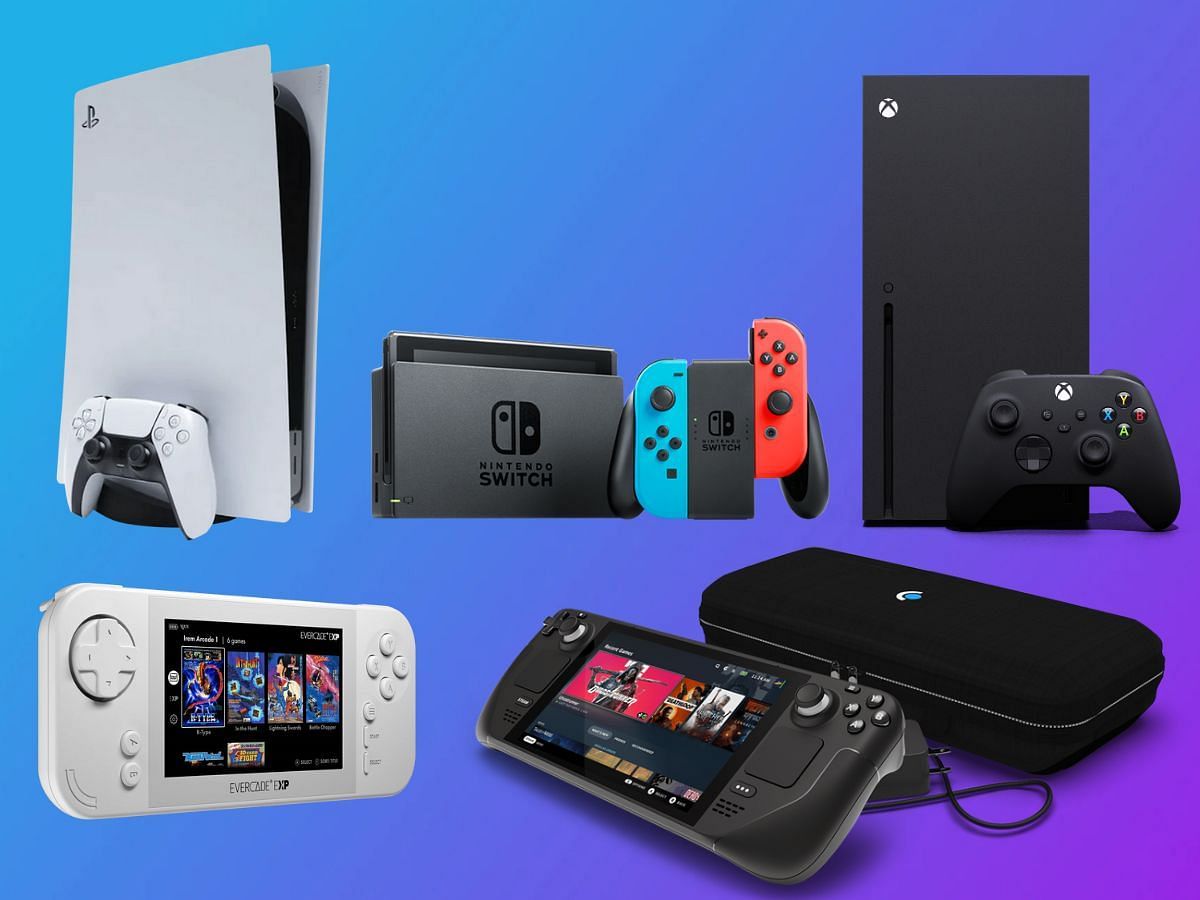
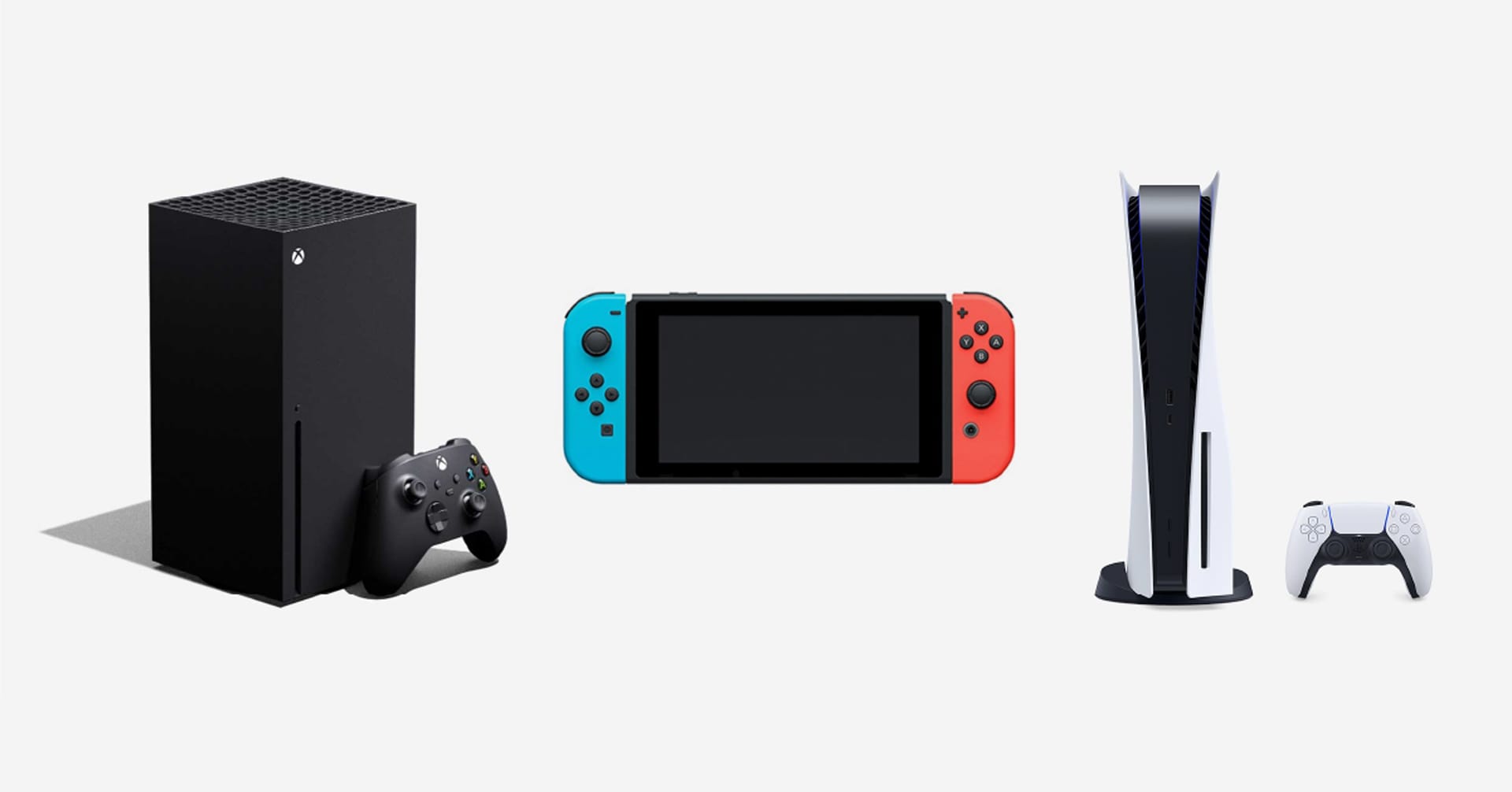
In 2026, gaming consoles generally fall into several key categories: Home Consoles (e.g., PlayStation 5 Pro, Xbox Series X/S, Nintendo Switch), Portable PC Handhelds (e.g., Steam Deck 2, ASUS ROG Ally X), Dedicated Handhelds (e.g., Nintendo Switch Lite, Playdate), and Virtual Reality Systems (e.g., Meta Quest 3, PlayStation VR2). Each offers distinct experiences, catering to different playstyles, budgets, and hardware preferences for today's diverse gamer population. Modern platforms increasingly blur lines with cloud streaming and cross-play capabilities.
How do I decide between a traditional home console and a newer PC handheld device?
Deciding between a home console and a PC handheld depends heavily on your lifestyle and priorities. Home consoles offer raw power for AAA titles on a big screen, exclusive games, and a more dedicated couch-gaming experience, often simpler setup. PC handhelds provide unparalleled portability, access to vast PC game libraries (including retro and indie titles), and more customization, but can be more complex to manage and might require a slightly higher technical comfort level. Consider if you prioritize plug-and-play simplicity or extensive versatility on the go.
Which gaming console offers the best social gaming experience for adults with limited time?
For adults balancing life, the Nintendo Switch often excels in social gaming due to its local co-op focus, easy pick-up-and-play party games, and broad appeal across family members. However, PlayStation and Xbox offer robust online multiplayer communities and cross-play with many popular titles, making it easy to connect with friends after work. Services like Xbox Game Pass or PlayStation Plus also provide curated multiplayer libraries. The "best" depends on whether your social gaming is local couch co-op or online squad-based.
What are the hidden costs beyond the console purchase price that gamers should consider?
Beyond the console itself, consider costs like subscription services (Xbox Game Pass Ultimate, PlayStation Plus, Nintendo Switch Online), which are often essential for online multiplayer and offer free games. You'll also need games themselves, which can add up, though digital sales are frequent. Accessories like extra controllers, headsets, external storage, and even a new high-refresh-rate TV can increase the total investment. Microtransactions and battle passes in free-to-play titles are also significant ongoing expenses for many gamers in 2026.
How has mobile gaming influenced the development and popularity of traditional gaming consoles?
Mobile gaming's dominance, with over 2.8 billion players globally, significantly impacts console development. It has driven an emphasis on accessibility, free-to-play models, and shorter, engaging play sessions. Consoles now feature more social connectivity, cross-platform play, and increasingly incorporate mobile-like user interfaces. The rise of portable PC handhelds is a direct response to the desire for gaming on the go, mirroring mobile's convenience but with a deeper gaming experience, recognizing that gamers want flexibility beyond their living room.
Is it still worth buying a gaming console when cloud gaming services are becoming more prevalent?
Yes, for many gamers, it's still worth buying a console. While cloud gaming (like Xbox Cloud Gaming or GeForce Now) offers convenience and reduces hardware costs, it relies heavily on a stable, high-speed internet connection, and introduces input lag that can affect competitive play. Consoles provide superior visual fidelity, guaranteed performance, and the ability to play offline. For dedicated gamers, a console ensures the best, most reliable experience, while cloud gaming serves as a fantastic supplementary option for casual play or trying new titles.
What are the key performance differences between current-generation consoles for a typical gamer?
Current-gen consoles like the PlayStation 5 Pro and Xbox Series X generally prioritize different aspects of performance. The PS5 Pro tends to focus on pushing higher resolutions and ray tracing with its boosted GPU, while the Xbox Series X is known for its raw power, offering stable 4K resolution and high frame rates across a broader range of titles. Both boast incredibly fast SSDs for minimal loading times. For a typical gamer, these differences often boil down to slight graphical advantages or exclusive game availability, rather than a fundamentally different gameplay experience in most multiplatform titles.
Navigating the vast universe of gaming consoles can feel like a quest in itself, especially when you're balancing work, family, and a desire to unwind with a good game. You're not alone. Many adult gamers, around 60% of the US gaming population with an average age of 36, find themselves asking: how many different gaming consoles are there, and which one truly fits my life? It's tough to keep up with new releases, hardware upgrades, and evolving trends without getting caught in the hype. We all want to relax, have fun, maybe build a few skills or connect with friends online, all while getting good value for our hard-earned money. This guide is your trusted co-op partner, cutting through the noise to help you understand the current console landscape, address common setup frustrations, boost performance, and find game recommendations for those precious limited gaming sessions. We'll explore the spectrum of modern gaming systems, from powerful home consoles to portable wonders, ensuring you can make informed choices to optimize your gaming life without compromising your other responsibilities. Let's dive in and demystify the world of gaming consoles in 2026.
How Many Different Gaming Consoles Are There Truly in 2026?
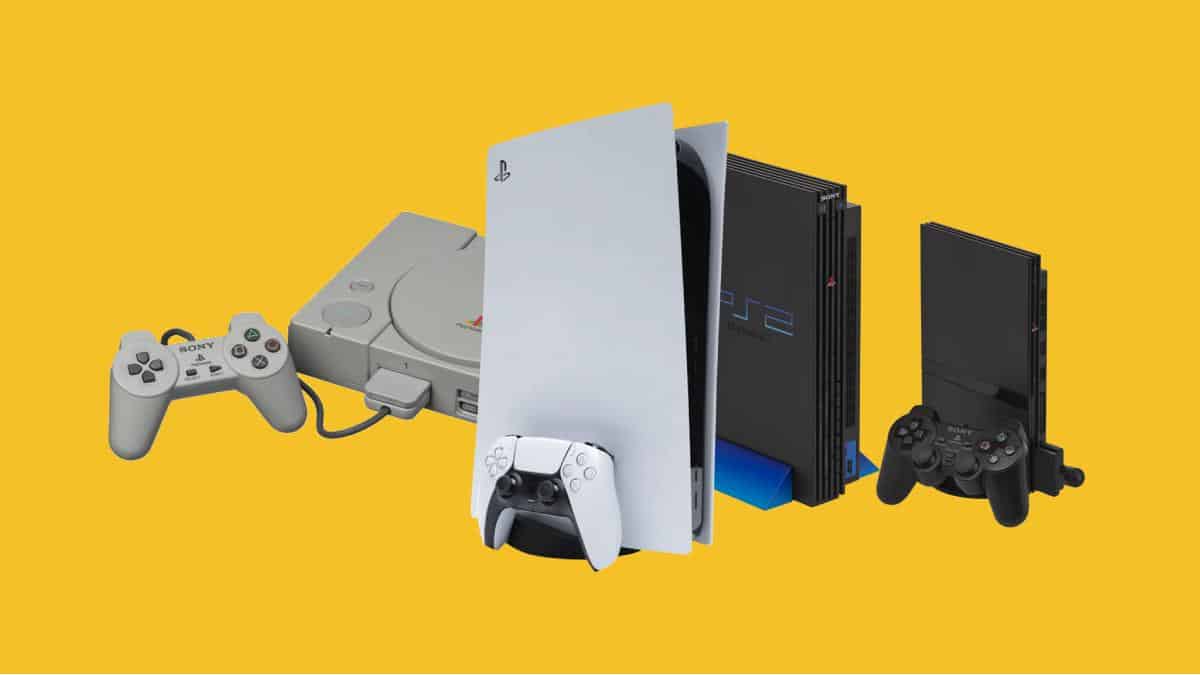
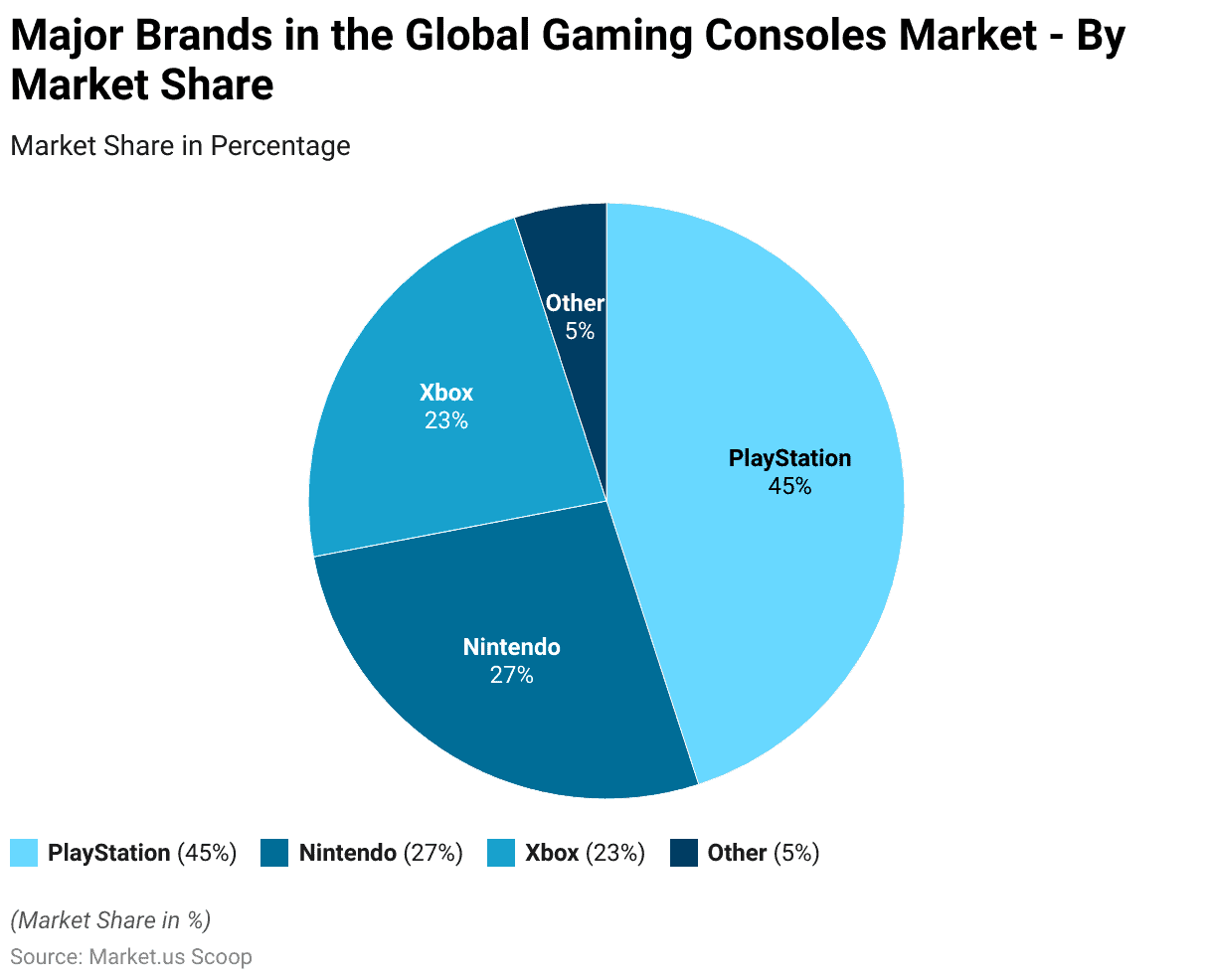
In 2026, the landscape of gaming consoles is more diverse and expansive than ever before, moving far beyond just the 'big three.' While the core players like **Sony (PlayStation)**, **Microsoft (Xbox)**, and **Nintendo (Switch)** continue to dominate the traditional home console market, the definition of a 'gaming console' has broadened significantly. We're seeing a strong rise in **PC handhelds**, innovative **Virtual Reality (VR) systems**, and the growing influence of **cloud gaming services**. This means you're not just choosing between a handful of boxes, but a whole ecosystem of devices designed to fit various lifestyles and preferences. This month, gaming statistics indicate that 87% of US gamers regularly play, often dedicating 10+ hours a week, highlighting the demand for diverse platforms.
What Are the Main Types of Gaming Consoles Available Today?
The modern gaming console market can be broken down into several distinct categories, each with its own strengths:
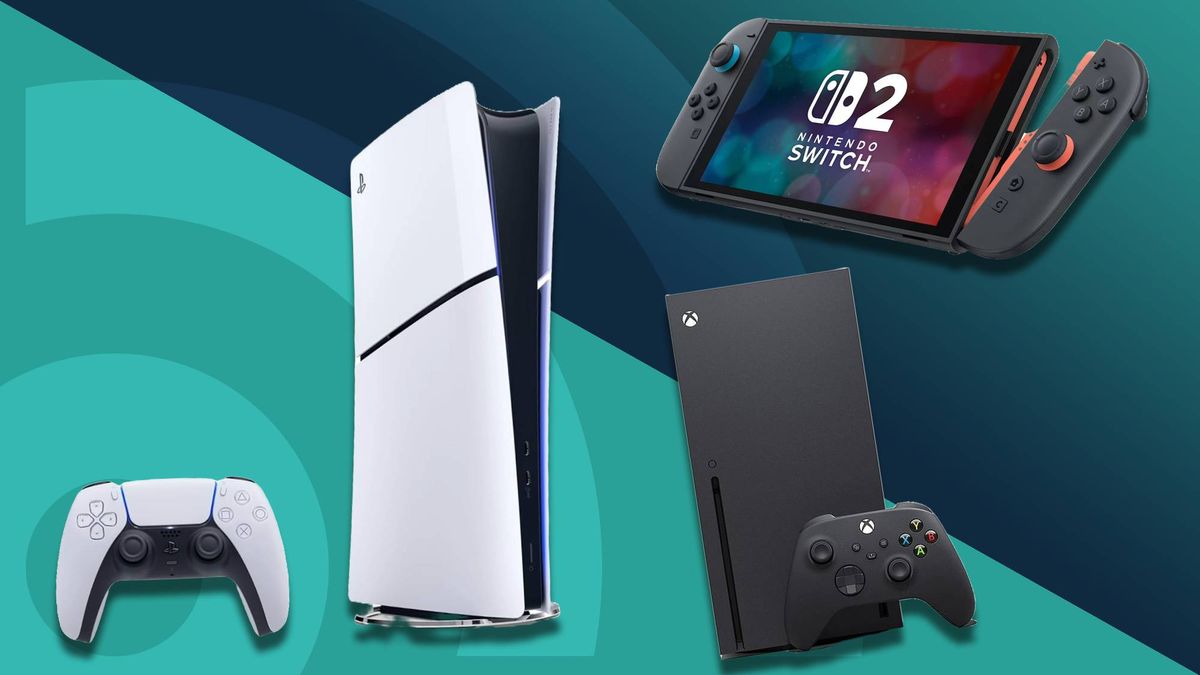
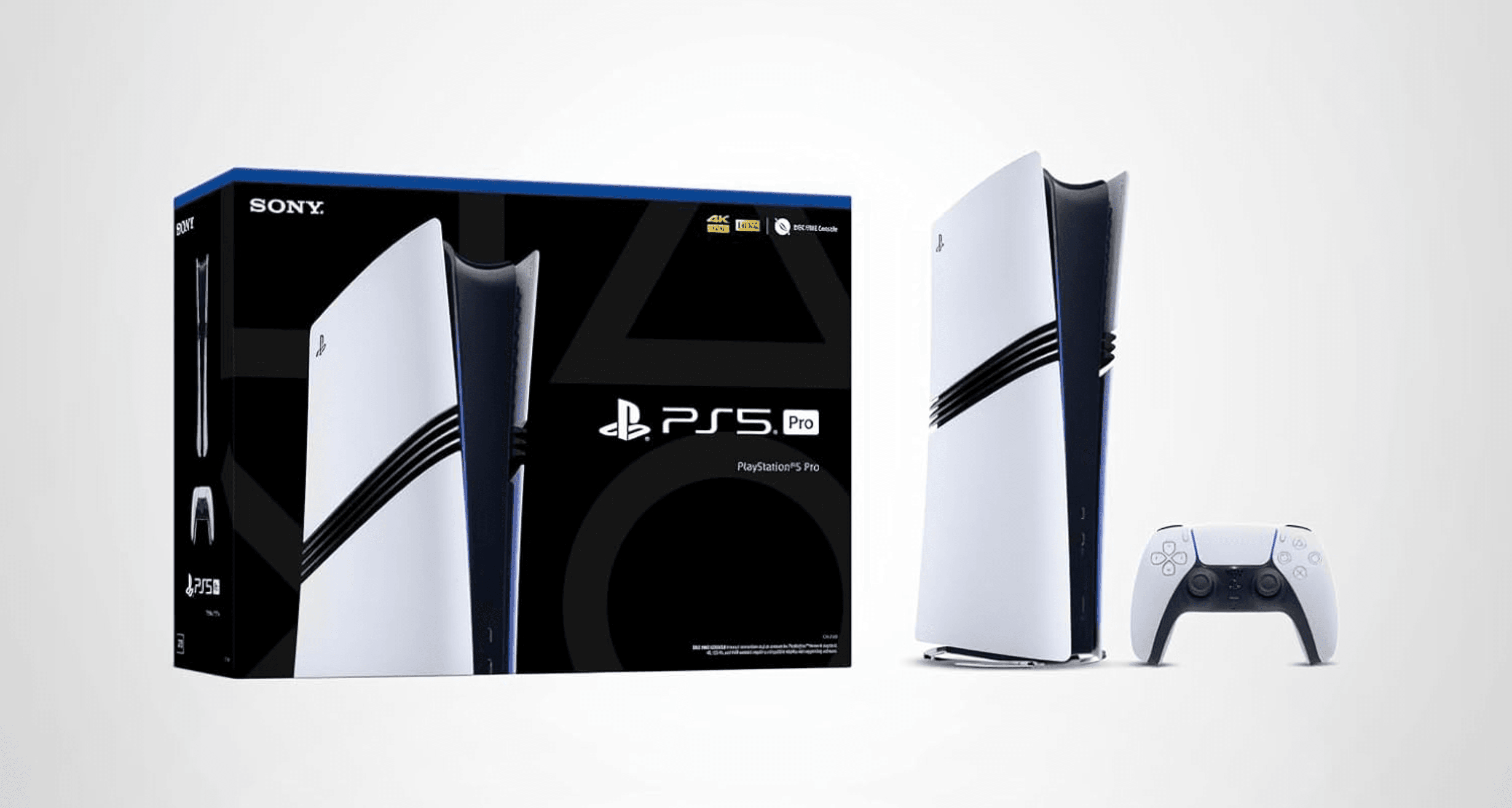
- Traditional Home Consoles: These are your powerhouses, primarily designed for living room gaming on a TV. This category includes the **PlayStation 5 Pro**, **Xbox Series X|S**, and the **Nintendo Switch**. They offer dedicated hardware, exclusive titles, and robust online services.
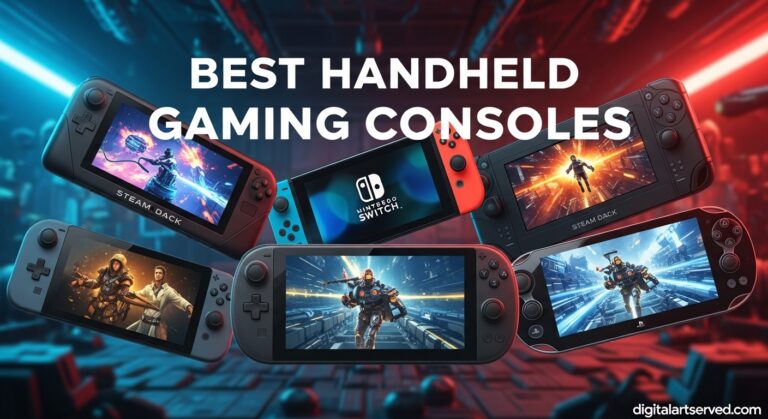
- Portable PC Handhelds: A rapidly growing segment, devices like the **Steam Deck 2** and **ASUS ROG Ally X** blend PC gaming's versatility with handheld convenience. They can play a vast library of PC games on the go, often with the option to dock them for a desktop experience.
- Dedicated Handhelds: While the Nintendo Switch often blurs this line, systems like the **Nintendo Switch Lite** or niche devices like the Playdate focus purely on portable gaming without TV docking.
- Virtual Reality (VR) Systems: Consoles like the **Meta Quest 3** (standalone) and **PlayStation VR2** (tethered to PS5) offer immersive experiences. While often seen as separate, they function as dedicated gaming platforms with their own libraries and ecosystems.
- Retro Consoles & Microconsoles: Smaller, often emulation-based systems that focus on classic games, like miniature versions of old Nintendo or Sega consoles, cater to nostalgia.
The variety means there's a gaming solution for nearly every preference, from high-fidelity graphics enthusiasts to those seeking casual, portable fun.
Which Console Offers the Best Value for Busy Gamers?
For gamers balancing jobs, families, and life, value isn't just about the upfront cost; it's about time efficiency, game access, and versatile use. The **Xbox Series S** often stands out as an excellent value proposition. It's more affordable than its Series X counterpart, offers access to the same current-gen games, and is a perfect gateway to **Xbox Game Pass**. Game Pass provides a massive, rotating library of titles for a monthly fee, including day-one access to many new releases, reducing the need for costly individual game purchases. Its quick resume feature is also a boon for limited time, letting you jump right back into a game instantly. The **Nintendo Switch** also offers incredible value through its hybrid nature, allowing seamless transitions between TV and handheld play, which is perfect for snatching gaming moments whenever and wherever possible.
How Do Handheld Gaming Systems Fit into a Modern Gamer's Life?
Handheld gaming systems, especially the new wave of PC handhelds and the ever-popular Nintendo Switch, are perfectly tailored for the modern gamer's busy lifestyle. Imagine finishing a challenging work call, then seamlessly transitioning to a relaxing session of a cozy game on your commute, or jumping into an intense shooter during a lunch break. They offer unparalleled flexibility. For adult gamers who can't always hog the living room TV or sit at a desk for hours, these devices provide a personal, portable escape. The rise of cross-save and cloud features means you can often pick up your progress from a home console or PC directly on your handheld, making gaming truly wherever-you-are compatible. This month, portable gaming continues to thrive, with many Gen Z/Millennial gamers using handhelds for social play and quick stress relief.
What Role Does Cloud Gaming Play in the Console Ecosystem?
Cloud gaming, powered by services like **Xbox Cloud Gaming**, **GeForce Now**, and **PlayStation Plus Premium**, is increasingly a foundational component of the console ecosystem in 2026. It's not necessarily replacing dedicated hardware but augmenting it. For gamers on a budget, or those with limited time who just want to try a game without a large download, cloud gaming offers instant access to a library of titles on almost any device – smart TVs, phones, tablets, or even older consoles. It reduces setup issues and removes the need for powerful hardware for certain experiences. While internet speed and latency remain factors, the technology is improving rapidly, providing a flexible way to sample games or enjoy less latency-sensitive titles without investing in a new console. It's a great tool for balancing gaming with life, offering quick fixes when you can't commit to a full setup.
Are VR Consoles a Viable Option for Mainstream Gamers Yet?
VR consoles are rapidly moving towards mainstream viability, but they're still a niche for many compared to traditional consoles. The **Meta Quest 3** and **PlayStation VR2** (PSVR2) are leading the charge, offering genuinely immersive and unique experiences. VR excels at putting you *inside* the game, providing unparalleled escapism and skill-building in certain genres. However, initial investment costs are higher, the physical setup can be more involved, and not everyone enjoys the immersive nature (some experience motion sickness). For the average 36-year-old gamer balancing life, VR might still be a secondary or occasional gaming platform rather than their primary go-to. Yet, with major titles pushing boundaries and more accessible standalone options, VR is definitely a compelling experiment for those seeking something truly different and incredibly engaging.
How Can I Balance Console Gaming with Work and Family Responsibilities?
Balancing gaming with life's other demands is a common pain point for adult gamers. It's entirely achievable with a few strategies:
- Schedule Your Sessions: Treat gaming like any other hobby or workout – schedule specific times. Even 30-60 minutes a few times a week can be incredibly satisfying.
- Communicate with Family: Let your family know when you plan to game. This avoids conflicts and helps set expectations.
- Utilize Quick Resume/Sleep Modes: Modern consoles excel at letting you pause games instantly and pick up right where you left off. This is a lifesaver for limited time.
- Embrace Shorter Games or Genres: Not every game needs 100+ hours. Indie games, arcade titles, or competitive multiplayer matches are great for short bursts. Cozy games are also trending this month for their relaxing, low-commitment play.
- Prioritize Social Play: If gaming is your way to connect, prioritize sessions with friends on Discord or in-game chats. It doubles as social time.
- Set a Budget: Stick to a budget for games and in-game purchases to avoid financial stress.
Remember, gaming is a form of relaxation and stress relief, not another chore. Making it work for you is key.
What Are the Key Factors to Consider When Upgrading My Console?
Upgrading your gaming console is a significant decision, especially when on a budget. Consider these key factors:
- Your Current Hardware: Are you genuinely limited by your current console's performance, or just feeling FOMO (Fear Of Missing Out)?
- Exclusive Games: Are there specific titles only available on a new platform that you absolutely must play? This is often the biggest driver.
- Budget: Not just for the console, but for new games, accessories, and potential subscription services. Can you afford the upgrade without financial strain?
- Backward Compatibility: Will your existing game library transfer over? PlayStation 5 and Xbox Series X/S offer excellent backward compatibility, saving you money on re-buying games.
- Performance Needs: Do you genuinely need 4K 120fps, or is 1080p/60fps sufficient for your enjoyment? Assess if the performance jump aligns with your display and preferences.
- Social Ecosystem: Are your friends primarily on a different platform? Moving to where your social circle plays can enhance your experience.
Think about value for money and how an upgrade truly enhances your personal gaming experience, not just what's newest or flashiest.
Where Can I Find Reliable Information on New Console Releases and Trends?
Staying current without getting bogged down by hype is crucial. Here's where to find reliable information:
- Official Manufacturer Websites: Sony PlayStation, Xbox, and Nintendo's official sites are always the first source for accurate specs and announcements.
- Reputable Gaming News Outlets: Sites like IGN, GameSpot, Eurogamer, and Polygon (check their reviews and news sections) offer deep dives and unbiased analysis.
- Digital Foundry: For performance optimization and technical breakdowns, Digital Foundry's YouTube channel and articles are unparalleled, providing concrete data.
- Community Forums & Subreddits: Platforms like Reddit (r/gaming, r/PlayStation, r/Xbox, r/NintendoSwitch) offer real-world user experiences and discussions, though always consider the source.
- Trusted Gaming Content Creators/Streamers: Look for creators who prioritize honest reviews and practical advice over hype, focusing on the gamer's experience.
Look for multiple sources to corroborate information and focus on practical solutions and real-world performance, not just marketing claims. This month's trends, such as the increased focus on cloud integration and portable PC gaming, are often first discussed in these communities before reaching wider news outlets.
FAQ Section
Is PC gaming considered a console?
No, PC gaming is generally considered a separate platform from dedicated consoles. While PC handhelds blur the lines by offering a console-like experience, a traditional PC offers open-ended hardware customization and a software environment distinct from a closed console ecosystem.
How often do new console generations come out?
New console generations typically emerge every 6-8 years. However, mid-generation refreshes (like the PlayStation 5 Pro rumors) are becoming more common, offering boosted performance within the same generation cycle, allowing gamers to upgrade incrementally without waiting for a full generational leap.
Can I play my old games on new consoles?
Yes, both PlayStation 5 and Xbox Series X/S offer extensive backward compatibility, allowing you to play most games from their previous generations (PS4 and Xbox One/360, respectively). The Nintendo Switch has a different approach, often porting popular older titles. This feature is a significant value-add for gamers.
What's the deal with console exclusivity?
Console exclusivity means a game is only available on one specific console platform (e.g., God of War on PlayStation). These titles are a major selling point for manufacturers, driving console sales. However, the trend is shifting, with many
Understanding the current landscape of gaming consoles in 2026, including major home consoles, handhelds, PC-based devices, and VR. Key factors influencing console choice like budget, game genres, social features, and time constraints. How console gaming integrates with busy adult lives, offering relaxation and social connection. Navigating hardware upgrades, performance optimization, and value for money in a dynamic market. Staying current with gaming trends and new releases without falling for marketing hype.
35

6 Best Gaming Consoles Of 2026 YouTube . PlayStation Consoles List 2026 All Models Generations Featured Image 2stad2zi . All Gaming Console List BEST GAME CONSOLE 8aceb 1920 . The 8 Best Gaming Consoles To Buy In 2026 TechRadar 1200 80 . Top 10 Must Watch Game Consoles Of 2026 Top 10 Game Consoles To Watch In 2026 Expert Reviews By Wirecutter


Next Xbox And PS6 Coming In 2026 Price Features Revealed . Every Gaming Console Explained In 13 Minutes 1972 2026 YouTube . Xbox 360 Worth In 2024 Xbox Console History . Game Consoles Evolution 1972 2023 YouTube . Xbox Consoles In Order Best Journey Of Xbox Console 2026 Xbox Consoles In Order 1024x576
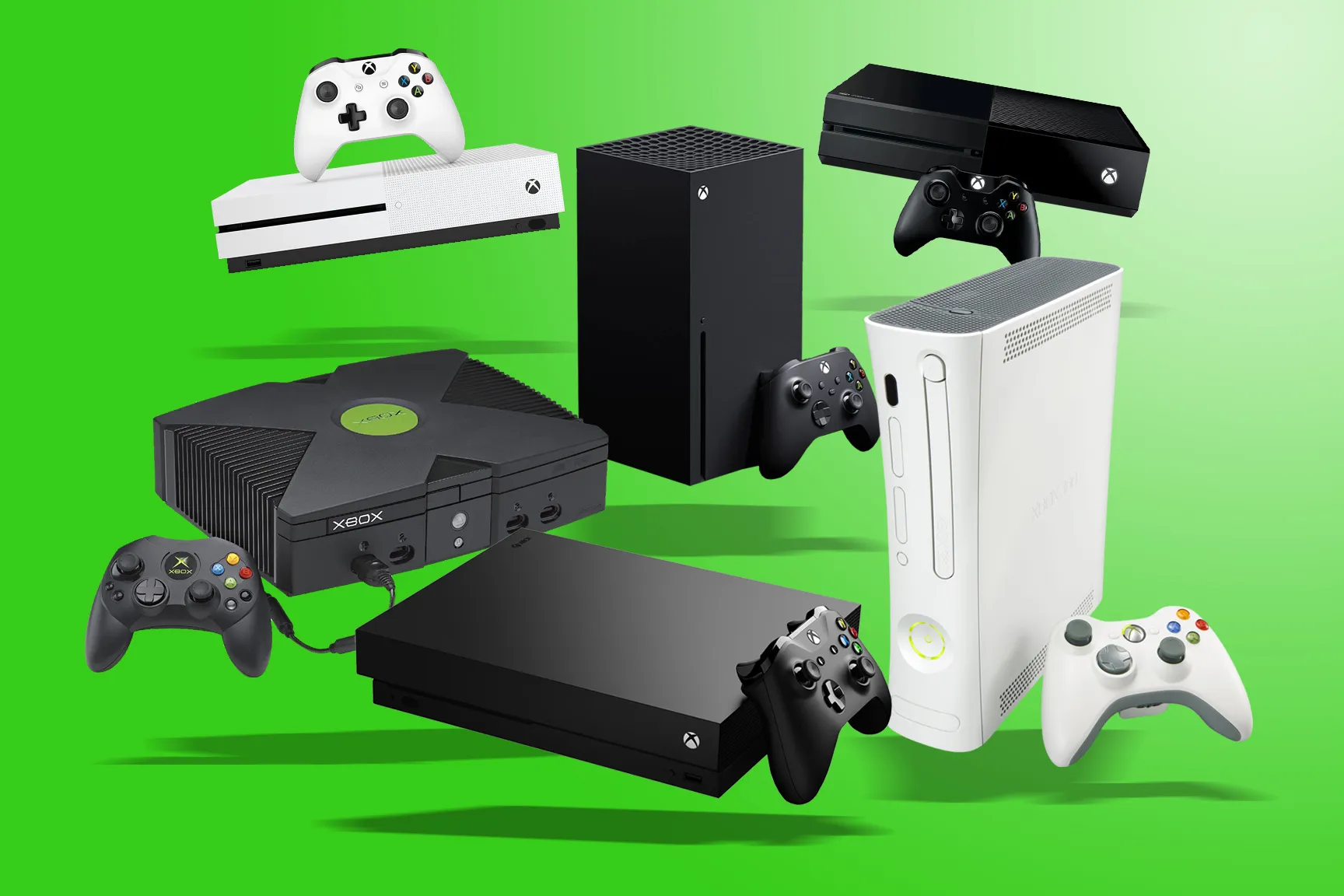
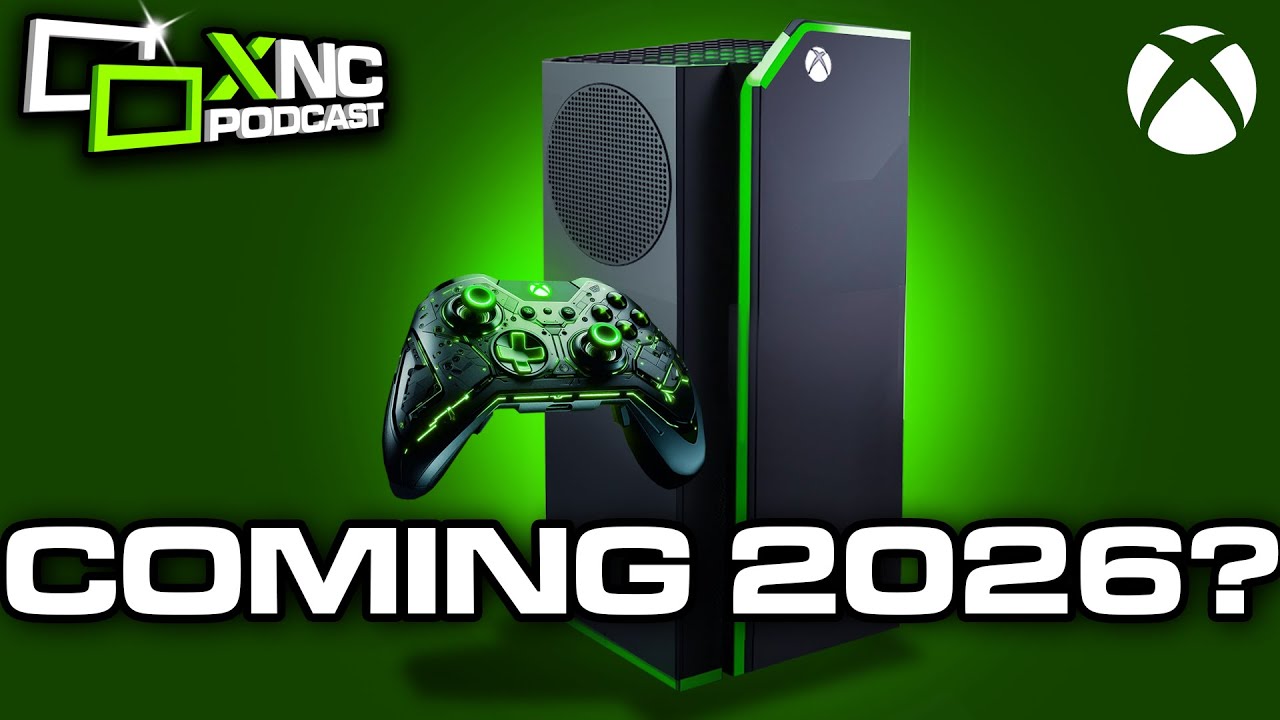
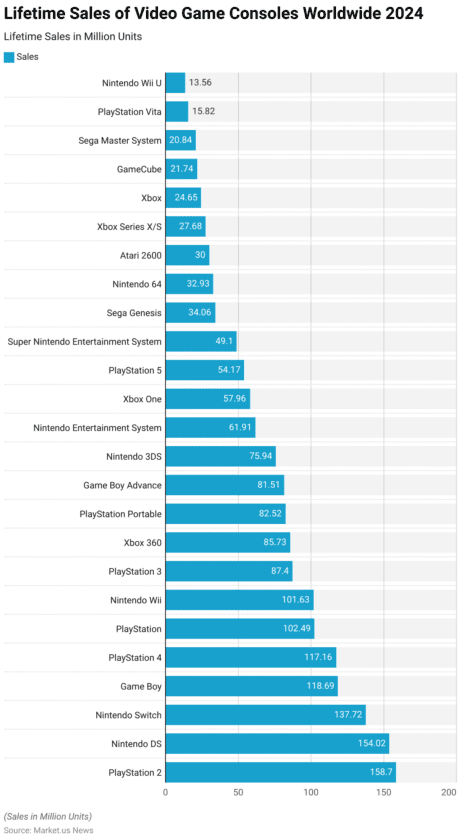
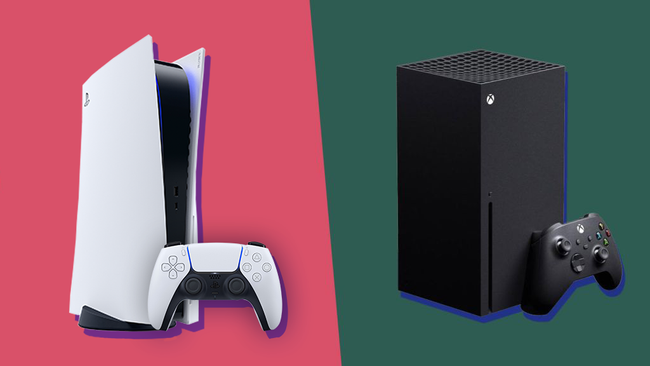
What Is The Most Sold Gaming Console Robots Net What Is The Most Sold Gaming Console 1697529638 . Next Xbox 2025 Everything We Know About The Xbox Series X And S Follow Best Xbox Consoles Ever Lead . LEAKED Xbox Prime Next Generation Console For 2026 Xbox Developer . Gaming Console Statistics And Facts 2026 Lifetime Sales Of Video Game Consoles Worldwide 2024 461x840 . The 8 Best Gaming Consoles To Buy In 2026 TechRadar 650 80


Chart What Is The Game Console S Future Statista 17465 . Best Gaming Consoles Trending In 2026 Top Picks For Gamers Worldwide H630 P K No Nu. Xbox Timeline . Best Game Consoles On 2026 You Can Buy Right Now YouTube . Gaming Consoles Statistics By Sales Usage And Facts 2025 1TlCJ Console Gaming Revenues Worldwide From 2023 To 2025 By Type 1024x883



Best Gaming Monitor In 2026 For Every Budget And Play Style Stuff Best Handhelds 2025 Lead . All Xbox Consoles In Order And Their Release Dates VideoGamer PlayStation Console Generations In Order . Gaming Console Statistics And Facts 2026 Major Brands In The Global Gaming Consoles Market By Market Share . Revealed Xbox Handheld Next Xbox Consoles Coming 2024 2026 Xbox . The Best Anbernic Handheld Consoles For 2026 Gaming Complete Guide The Top 15 Anbernic Handheld Consoles For 2025
The 6 Best Games Consoles Of 2026 Tested By A Gaming Expert. 10 Best Handheld Gaming Consoles June 2026 Complete Guide Best Handheld Gaming Consoles 768x419 . Gaming Console Statistics And Facts 2026 Gaming Console Production Volume 768x641 . Gaming Console Statistics And Facts 2026 Gaming Console Statistics . Gaming Console History Complete Evolution Timeline 1972 2025 Games Cosoles

Gaming Console Statistics And Facts 2026 Gaming Console Share 768x876 . Handheld Consoles In 2026 Why Nintendo Steam Deck And Portable Image 8 . Top 8 Gaming Consoles For Every Budget 2026 Technobezz 2026 02 05 At 12 44 58 AM 308a5bab2d . Evolution Of Nintendo Consoles With Startups 4K YouTube . Best Gaming Consoles Of 2026 PlayStation Xbox Switch Guide Ps5 Xbox Series Nintendo Switch Consoles