Navigating online gaming communities means encountering trending rumors, and few have sparked as much buzz as 'did Kim K sue Roblox'. For busy gamers balancing work, family, and precious game time, getting straight answers is key to staying informed without wasting moments on misinformation. This comprehensive guide cuts through the noise surrounding the alleged Kim Kardashian lawsuit against Roblox, providing clear, factual insights. We'll explore the origins of the rumors, Roblox's stance on intellectual property and user-generated content, and what this means for players and creators alike. Understand how platforms manage celebrity likenesses, learn to distinguish fact from fiction in online chatter, and equip yourself with the knowledge to approach similar trending topics confidently, ensuring your gaming experience remains focused on fun and skill-building rather than unnecessary drama. Dive in to uncover the truth and keep your precious gaming hours for actual play.
Related games- Which Phone Wins for Mobile Gaming in 2026?
- Craving Slush? Where Can I Buy Slush Syrup USA?
- How GTA 6 Trailer Broke YouTube Records!
Top 5 Natural Questions about 'Did Kim K Sue Roblox'
Q: Has Kim Kardashian ever filed a lawsuit against Roblox?
Q: What were the origins of the Kim K and Roblox lawsuit rumors?
Q: How does Roblox address celebrity likenesses in user-generated games?
Q: Is there concrete evidence supporting a Kim K vs. Roblox legal battle?
Q: What should gamers do when they encounter unverified news like 'did Kim K sue Roblox'?
7 Expert FAQ Questions and Answers about 'Did Kim K Sue Roblox'
Q: Did Kim Kardashian officially sue Roblox, and what's the latest update?
A: No, there is no official record or credible report indicating that Kim Kardashian has ever officially sued Roblox. The rumors that have circulated periodically are unsubstantiated, and there has been no legal action taken by her against the platform. Gamers should disregard any claims suggesting a current or past lawsuit, as verified information from official sources is entirely absent.
Q: What specifically caused the 'Kim K suing Roblox' rumor to gain traction among players?
A: The rumor likely gained traction due to user-generated content (UGC) within Roblox that featured unauthorized depictions or experiences related to Kim Kardashian. In a platform where millions create, some users inevitably incorporate celebrity likenesses, sometimes leading to speculation or concerns about intellectual property. Social media amplification on platforms like TikTok and YouTube further fueled the unverified claims.
Q: How does Roblox's platform policy handle celebrity intellectual property and impersonation?
A: Roblox has clear Community Standards and Terms of Use prohibiting intellectual property infringement and impersonation. Users are forbidden from using copyrighted material or celebrity likenesses without permission. When Roblox is notified of such violations, either by rights holders or user reports, they are committed to investigating and removing the infringing content to protect IP and ensure a safe, compliant environment for their vast user base.
Q: Have there been any past instances of celebrities successfully taking legal action against user-generated content on Roblox?
A: While the Kim K rumor is false, there have been other instances where celebrities or their representatives have issued takedown notices for unauthorized use of their likeness or intellectual property on Roblox. Roblox typically complies with valid Digital Millennium Copyright Act (DMCA) requests. These actions are usually content removals rather than full-blown lawsuits against the platform itself, demonstrating Roblox's commitment to respecting intellectual property rights.
Q: For gamers, what are the best ways to verify if a viral story like 'Did Kim K sue Roblox' is true or false?
A: To verify viral stories, gamers should always check reputable news sources and official statements from the involved parties. Look for multiple independent confirmations, avoid relying solely on social media posts, and be wary of sensational headlines. Cross-referencing information with legal reporting sites or official company press releases will help distinguish facts from rumors, saving you precious gaming time.
Q: What are the potential consequences for Roblox users who create games or avatars using unauthorized celebrity content?
A: Roblox users who create content with unauthorized celebrity likenesses or intellectual property face serious consequences. These can range from the removal of their infringing content and temporary account suspensions to permanent account bans, depending on the severity and frequency of the violations. Roblox enforces these policies to protect intellectual property rights and maintain a fair and respectful platform for all creators.
Q: Beyond this specific rumor, what is Roblox doing to ensure a safe and legally compliant user-generated content environment?
A: Roblox continually invests in advanced moderation technologies, including AI, and employs thousands of human moderators to review user-generated content. They provide robust reporting tools for users and maintain strong relationships with intellectual property holders to address concerns proactively. Furthermore, clear educational resources are available to guide creators on compliant content creation, striving for a balanced and legally sound creative ecosystem.
Ever found yourself scrolling through social media or a gaming forum, stumbling upon a headline or question that makes you pause? You know the drill: you're just looking to unwind with your favorite game, maybe catch up on a quick match or tackle a new quest, but suddenly, a curious query like 'did Kim K sue Roblox' pops up, pulling you down a rabbit hole of speculation. For us gamers, especially those balancing jobs, families, and all the real-life quests, our gaming time is precious. We value relaxation, fun, and perhaps a bit of skill-building or social play, not getting lost in unsubstantiated internet drama. It's a common pain point: trying to stay current without getting caught up in hype or misinformation, especially when you have limited time.
You're not alone. With a whopping 87% of US gamers regularly engaging with their favorite titles, often for 10+ hours a week, and social gaming trends dominating conversations, staying informed about what's happening on platforms like Roblox is natural. But sorting through the noise can be tough. That's why we're here to tackle one of those trending questions head-on: 'did Kim K sue Roblox'. Let's cut through the chatter, get to the facts, and ensure your valuable gaming mental space is clear for optimizing performance, finding value for money, and simply enjoying the games you love.
Did Kim K Officially Sue Roblox?
No, there is no official record, legal filing, or credible report indicating that Kim Kardashian has ever officially sued Roblox. This popular query often circulates within the gaming community and on social media, but all evidence points to these claims being unsubstantiated rumors. Gamers who hear this can rest assured that this particular piece of celebrity gossip is not rooted in actual legal action.
The absence of any official documentation from court records, reputable legal news outlets, or direct statements from either Kim Kardashian or Roblox themselves strongly debunks the notion of a lawsuit. When high-profile individuals like Kim Kardashian are involved in legal disputes, especially with major platforms, such information quickly becomes public and widely reported by established media. In this case, such reports are conspicuously absent, which helps us differentiate fact from online fiction.
What Caused the Rumors About Kim K Suing Roblox?
The rumors likely originated from user-generated content (UGC) within Roblox itself. Roblox is a platform where millions of users create their own games and experiences, and sometimes these creations might feature likenesses of celebrities, often without permission. A specific instance that fueled these rumors in the past was a user-created 'Kim Kardashian' experience that may have portrayed her in a way she or her legal team found objectionable.
Another common source of such rumors is the rapid spread of speculative content on platforms like TikTok, YouTube, and Discord. A single viral video or post making an unverified claim can quickly snowball, especially among younger audiences who might not always fact-check before sharing. For gamers, this highlights the importance of critical thinking when encountering trending topics online, especially those involving celebrities and popular gaming platforms.
How Does Roblox Handle User-Generated Content and IP?
Roblox has a robust set of Community Standards and Terms of Use that govern user-generated content, including strict rules against intellectual property infringement and impersonation. Users are explicitly prohibited from uploading, distributing, or displaying content that infringes on the copyright, trademark, or other proprietary rights of others. This includes unauthorized use of celebrity likenesses, which falls under publicity rights.
When Roblox becomes aware of content that violates these policies, whether through user reports or proactive detection, they typically take swift action. This can range from removing the offending content and banning the creator to issuing warnings. The platform's stance is clear: creators are responsible for ensuring their content respects intellectual property, and failure to do so can lead to penalties. For creators, understanding these rules is crucial for avoiding issues and maintaining their presence on the platform.
Have Other Celebrities Had Issues with Roblox Experiences?
Yes, Kim Kardashian is not unique in having her likeness potentially used in unauthorized user-generated content on Roblox. Many public figures, from musicians and athletes to other reality TV stars, have found themselves depicted in Roblox experiences or avatar items. This is a common challenge for all UGC platforms, not just Roblox, as managing billions of pieces of user-created content is an immense task.
While most celebrity likenesses in Roblox are fan-created tributes, some instances cross the line into unauthorized commercial use or unflattering portrayals, which can lead to cease-and-desist letters from legal teams. Roblox generally responds to valid IP infringement claims by removing the content. This ongoing dance between fan creativity and intellectual property rights protection is a constant battle for platforms supporting extensive UGC, requiring vigilant moderation and clear policies.
Why Do These Rumors Spread So Quickly Among Gamers?
Rumors, especially those involving celebrities and popular platforms, tend to spread rapidly among gamers for several reasons. Firstly, gaming communities are highly social; platforms like Discord, in-game chats, and forums are hotbeds for discussion, and interesting (even if unverified) news travels fast. Secondly, the blend of celebrity culture with gaming is a powerful draw; many gamers are also interested in pop culture, making these stories particularly engaging.
Additionally, the phenomenon of 'clickbait' and the algorithm-driven nature of social media often prioritize sensational content, regardless of its accuracy. For gamers balancing work and life, who might only have a few minutes to scroll, a catchy headline is often all it takes to grab attention. This makes it challenging to discern accurate information from mere speculation, highlighting a key pain point for those trying to stay informed without falling for hype.
What Are Roblox's Policies on Impersonation and Copyright?
Roblox explicitly prohibits impersonation and strict adherence to copyright laws within its platform. Their Terms of Use state that users must not 'impersonate any person or entity, or falsely state or otherwise misrepresent your affiliation with a person or entity'. This applies to both official accounts and in-game avatars or experiences designed to mimic real people. Furthermore, their Digital Millennium Copyright Act (DMCA) policy outlines how copyright holders can submit takedown notices for infringing content.
When a celebrity's legal team or a copyright holder notifies Roblox of unauthorized use of their intellectual property or likeness, Roblox is legally obligated to investigate and remove the content if the claim is valid. This process helps protect both the platform and the rights holders while maintaining a level of trust for the gaming community. For developers, understanding and respecting these policies is paramount to creating sustainable, compliant experiences.
How Can Gamers Identify Real News vs. Rumors?
Identifying real news from rumors is a crucial skill for any modern gamer. First, always check the source. Is it a reputable news organization, an official company statement, or just a random social media post? Second, look for multiple independent sources reporting the same story; if only one obscure site is reporting it, be skeptical. Third, verify dates; old stories can be recirculated as new.
For situations like 'did Kim K sue Roblox', check official court records, press releases from the involved parties, or statements from Roblox's official channels. Think critically: does the claim seem plausible? Does it lack specific details? Developing these habits will save you time and ensure you're consuming accurate information, allowing you to focus on enjoying your games without unnecessary worry or confusion. Remember, your time is valuable, use it wisely.
Is Roblox a Safe Platform for Kids and Adults?
Roblox strives to be a safe platform for both kids and adults, with extensive moderation systems, parental controls, and community guidelines in place. However, like any online platform with user-generated content and social interaction, it's not entirely without risks. Roblox employs a large team of moderators, AI tools, and user reporting systems to monitor content and interactions, aiming to remove inappropriate material and enforce its rules.
For parents, robust parental control features allow them to manage who their child can chat with, what experiences they can access, and how much they can spend. For adult gamers, understanding privacy settings and reporting tools is key. While no platform is 100% foolproof, Roblox continuously updates its safety features based on feedback and evolving online trends, making it a relatively safe environment when used responsibly and with awareness of available safety tools. Staying informed is your best defense.
What Are the Broader Implications for UGC Platforms and IP?
The 'did Kim K sue Roblox' rumor, despite being false, highlights significant broader implications for User-Generated Content (UGC) platforms and intellectual property (IP) rights. In a world where anyone can create and share content instantly, platforms face the monumental task of balancing creative freedom with protecting the rights of creators and celebrities. This dynamic tension is crucial for the future of digital content. Platforms must invest heavily in AI moderation and human oversight to filter out infringing content, while also providing clear guidelines and easy reporting mechanisms for users.
For IP holders, the challenge is immense; monitoring billions of pieces of content for unauthorized use is nearly impossible. This often leads to a reactive approach, where takedown notices are issued after infringement occurs. The ongoing evolution of this landscape will likely see more sophisticated IP protection tools integrated into platforms, potentially using blockchain for content verification or advanced AI for likeness detection. Ultimately, these incidents shape how platforms operate, how creators engage, and how IP is respected in the digital age, influencing everything from monetization to user trust.
How Does This Relate to Balancing Gaming and Real-Life Info?
For many of us who game, it's a vital escape, a way to relax, build skills, and connect with friends. But the digital world bleeds into the real one, and navigating information online, even within gaming contexts, is part of modern life. The 'did Kim K sue Roblox' scenario perfectly illustrates the need to balance our love for gaming with a healthy skepticism for online rumors. It's about optimizing our mental bandwidth; we don't want to spend our limited downtime chasing down unverified claims when we could be enjoying a new game, tackling a family responsibility, or just unwinding.
This month's gaming trends show a continued emphasis on social and cozy games, free-to-play options, and managing in-game purchases – all areas where reliable information is crucial. Understanding how to quickly fact-check and distinguish genuine news from viral hype means we can allocate our attention more effectively. It ensures our gaming experience remains a source of relaxation and fun, free from the stress of misinformation, allowing us to stay current without buying into every fleeting trend.
So, the next time a wild rumor crosses your path, whether it's about a celebrity lawsuit or a new game's unconfirmed features, take a moment to apply these critical thinking skills. It's not just about debunking a specific claim; it's about empowering yourself to be a more informed and less stressed gamer in a constantly evolving digital world.
Conclusion
Ultimately, the rumor 'did Kim K sue Roblox' is firmly debunked: there's no evidence of any such lawsuit. This journey through the rumor mill highlights how quickly unverified information can spread, especially in the vibrant, social ecosystems of online gaming. For us busy gamers, understanding how to quickly fact-check and identify credible sources is just as important as knowing the best build for our favorite character or optimizing our hardware on a budget. Our time is precious, and wasting it on misinformation detracts from the true joys of gaming – relaxation, fun, and genuine social connection.
Stay informed, question what you read, and keep your focus on what truly matters in your gaming life. What's your biggest gaming challenge when it comes to separating fact from fiction online? Comment below and let's tackle it together!
FAQ Section
Q: Is there any official statement from Kim Kardashian about Roblox?
A: No, Kim Kardashian has not issued any official statement regarding a lawsuit against Roblox. Her social media and official channels have been silent on the matter, which further indicates the rumor's lack of authenticity.
Q: Does Roblox allow celebrity games or avatars?
A: Roblox allows user-created content, but it has strict policies against using celebrity likenesses or intellectual property without permission. Fan-made tributes are common, but anything that infringes on publicity rights or copyright can be removed.
Q: What happens if a Roblox experience uses a celebrity's image without permission?
A: If a Roblox experience uses a celebrity's image without permission and the celebrity's legal team or Roblox itself identifies it, the content can be taken down. Repeated offenses can lead to account suspension or termination for the creator.
Q: Are there real lawsuits involving Roblox?
A: Yes, like any major tech company, Roblox has been involved in various lawsuits, primarily related to intellectual property, content moderation, or business practices. However, these are separate from the Kim Kardashian rumor and are typically reported by legal news outlets.
Q: How can I report inappropriate content or IP infringement on Roblox?
A: Users can report inappropriate content or IP infringement directly through the Roblox platform by clicking the 'Report Abuse' button found on experience pages or user profiles. Roblox's moderation team reviews these reports promptly.
Q: Why are celebrity rumors so common on gaming platforms?
A: Celebrity rumors thrive on gaming platforms due to the highly social nature of these communities, the intersection of pop culture and gaming interests, and the rapid sharing capabilities of social media. Gamers often share intriguing content quickly, even if unverified.
No official lawsuit filed by Kim Kardashian against Roblox. Rumors likely originated from user-generated content or fan-made experiences within Roblox. Roblox has strict terms of service regarding intellectual property and impersonation. Gamers need to verify information to avoid misinformation. The incident highlights the complexities of UGC platforms and celebrity likenesses. This situation provides a valuable lesson in discerning real news from online speculation for the gaming community.
35

Why Did Kim Kardashian Threaten To Sue Roblox 065be 1920 . Kim Kardashian Threatens To Sue Roblox Kim Kardashian Roblox . WHY DID KIM KARDASHIAN THREATEN TO SUE ROBLOX YouTube . KIM KARDASHIAN IS SUING ROBLOX YouTube . Kim K Roblox AndNudity Lets Talk 666e0 1920


Kim Kardashian Threatens To Sue Roblox For Explicit 54a80 1920 . KIM KARDASHIAN THREATENS 10 SUE ROBLOX OVER IN GAME SEX TAPE AD IFunny 1 . Kim Kardashian VS ROBLOX LAWSUIT THREAT YouTube . Kim Kardashian Is Threatening To Sue Roblox Over Sex Tape Ad 33d4a042 Kim Kardashian Roblox . Kim Kardashian Threatens To Sue Roblox Over Content Kim Rob Cover



KIM KARDASHIAN THREATENED TO SUE ROBLOX OVER A FAKE SEX TAPE GAME SO 1 . ROBLOX IS GETTING SUED Kim Kardashian VS ROBLOX DRAMA YouTube . Roblox Is Being Sued By Kim Kardashian YouTube . Kim Kardashian Threatens To Sue Roblox YouTube . Kim Kardashian Threatens To Sue Roblox Over Content

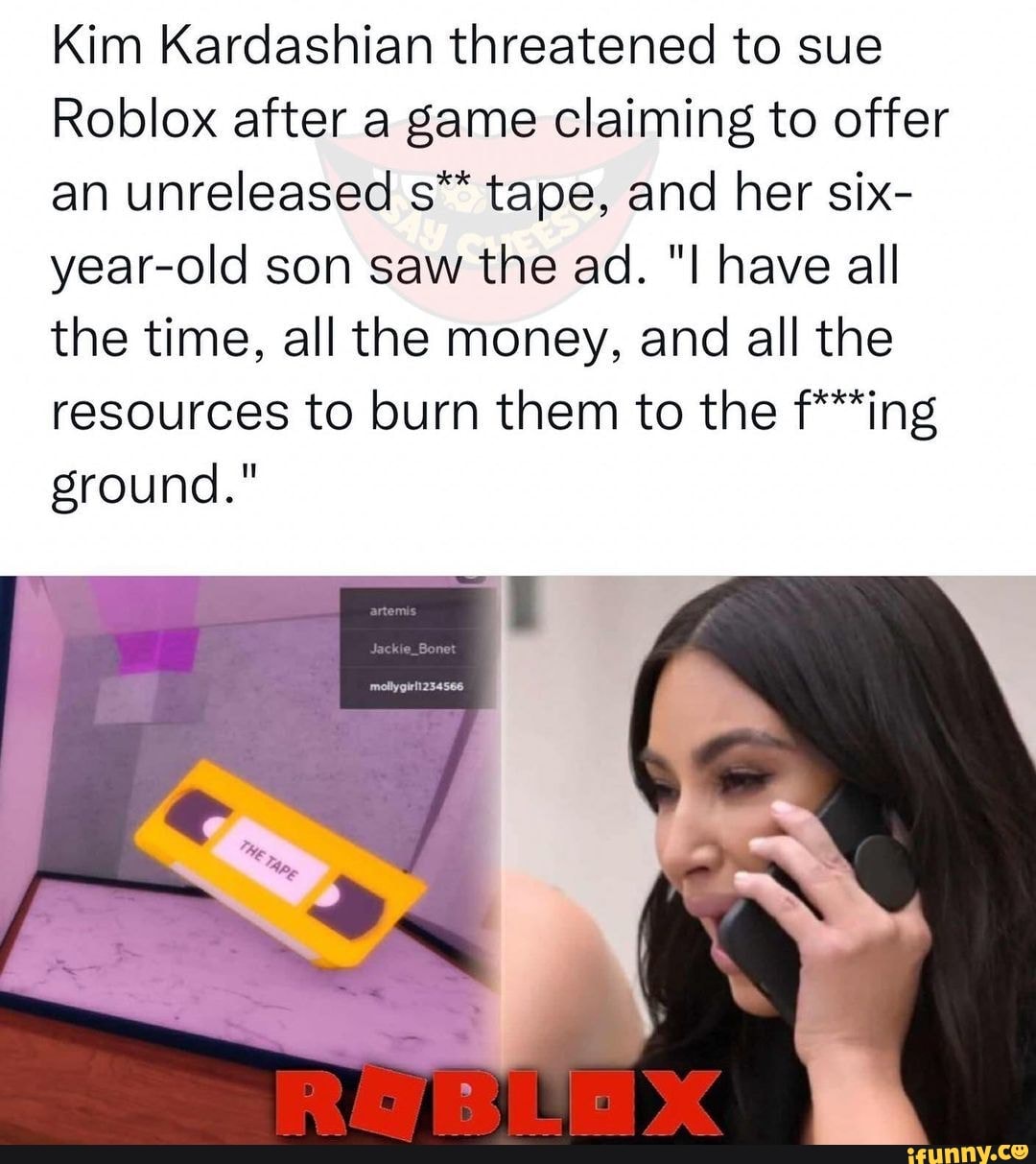

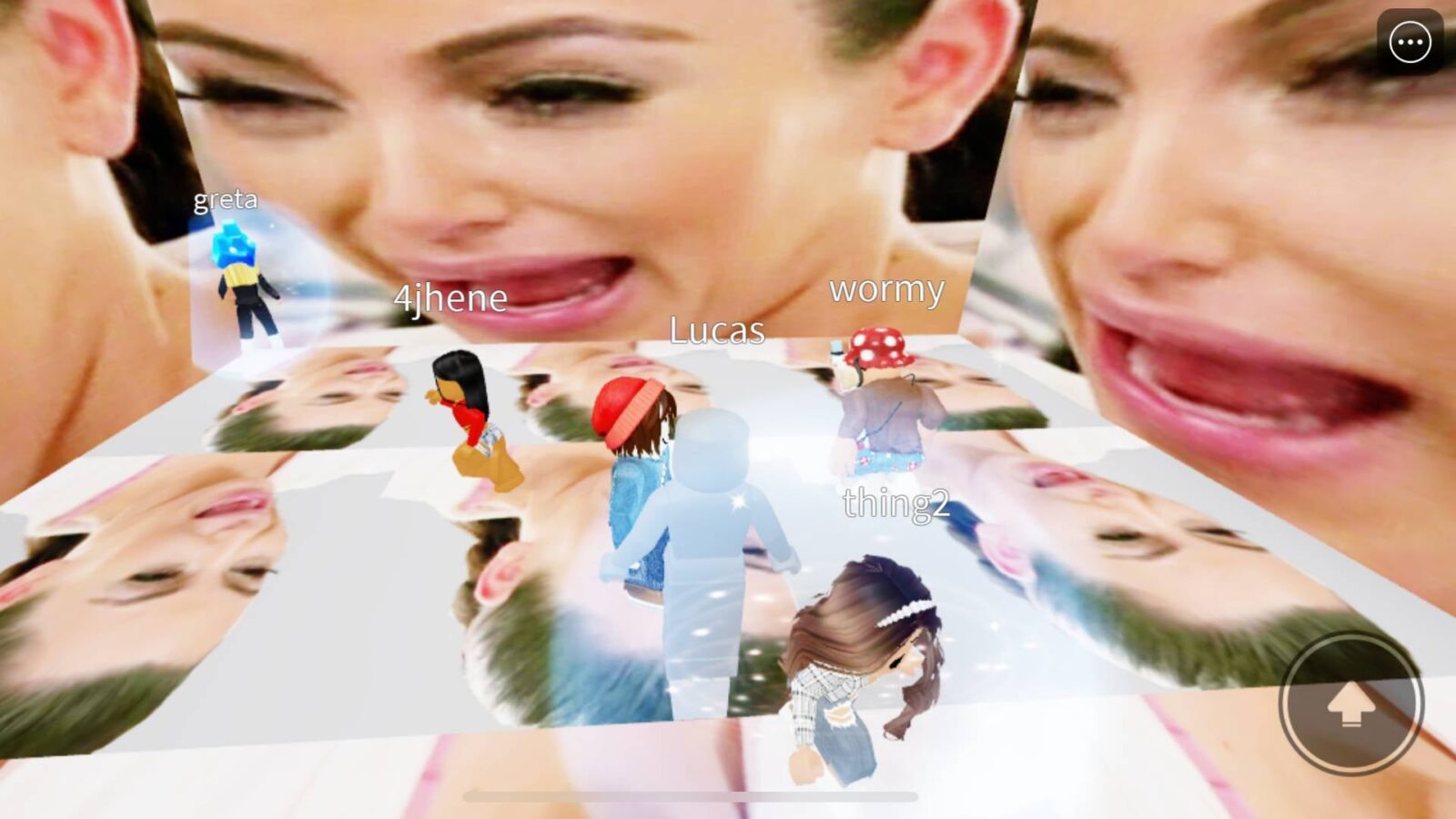
Roblox Is BEING SUED By KIM KARDASHIAN YouTube . Kim Kardashian Threatened To Sue Roblox After A Game Claiming To Offer 1 . Kim Kardashian Says She S Going To Sue Roblox Because Of This YouTube Maxres2 . Kim Kardashian Threatens To Sue Roblox Over Sex Tape Ad Creator Banned 1600x900 . The Upsetting Reason Why Kim Kardashian Threatened To Sue Roblox Intro 1650394271

Why Did Kim Kardashian Threaten To Sue Roblox 62739 1920 . Did Kim Kardashian Really Sue Roblox She S Faced With Sex Tape Kim Kardashian The Kardashians . Kim Kardashian Wants To SUE ROBLOX Also This Show Is BAD YouTube . Why Did Kim Kardashian Threaten To Sue Roblox E6eaf 1920 . Why Did Kim Kardashian Threaten To Sue Roblox 4f30b 1920



Did Kim Kardashian Really Sue Roblox She S Faced With Sex Tape Kim Kardashian Kuwtk . Kim Kardashian Is Threatening To Sue Roblox Over Sex Tape Ad Fe79a3a2 Screengrab 1rt.0 . Why Did Kim Kardashian Threaten To Sue Roblox 25f55 1920 . Roblox RESPONDED To Kim Kardashian S LAWSUIT YouTube Maxres2 . Did Kim Kardashian Sue Roblox Did Kim Kardashian Sue Roblox



Kim Kardashian Wants To Sue Roblox YouTube . Kim Kardashian Gets Roblox Experience Developer Banned After Kim K Roblox . Kim Kardashian Suing Roblox Over Fake Adult Film Game YouTube . Roblox RESPONDED To Kim Kardashian SUED YouTube . What Happened With Kim Kardashian And Roblox Attachment Pjimage