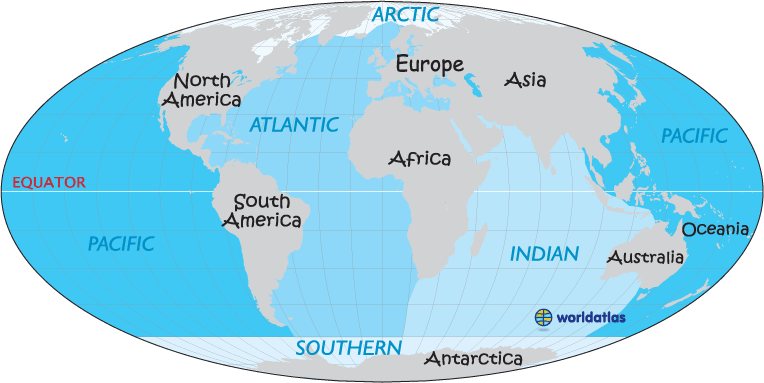
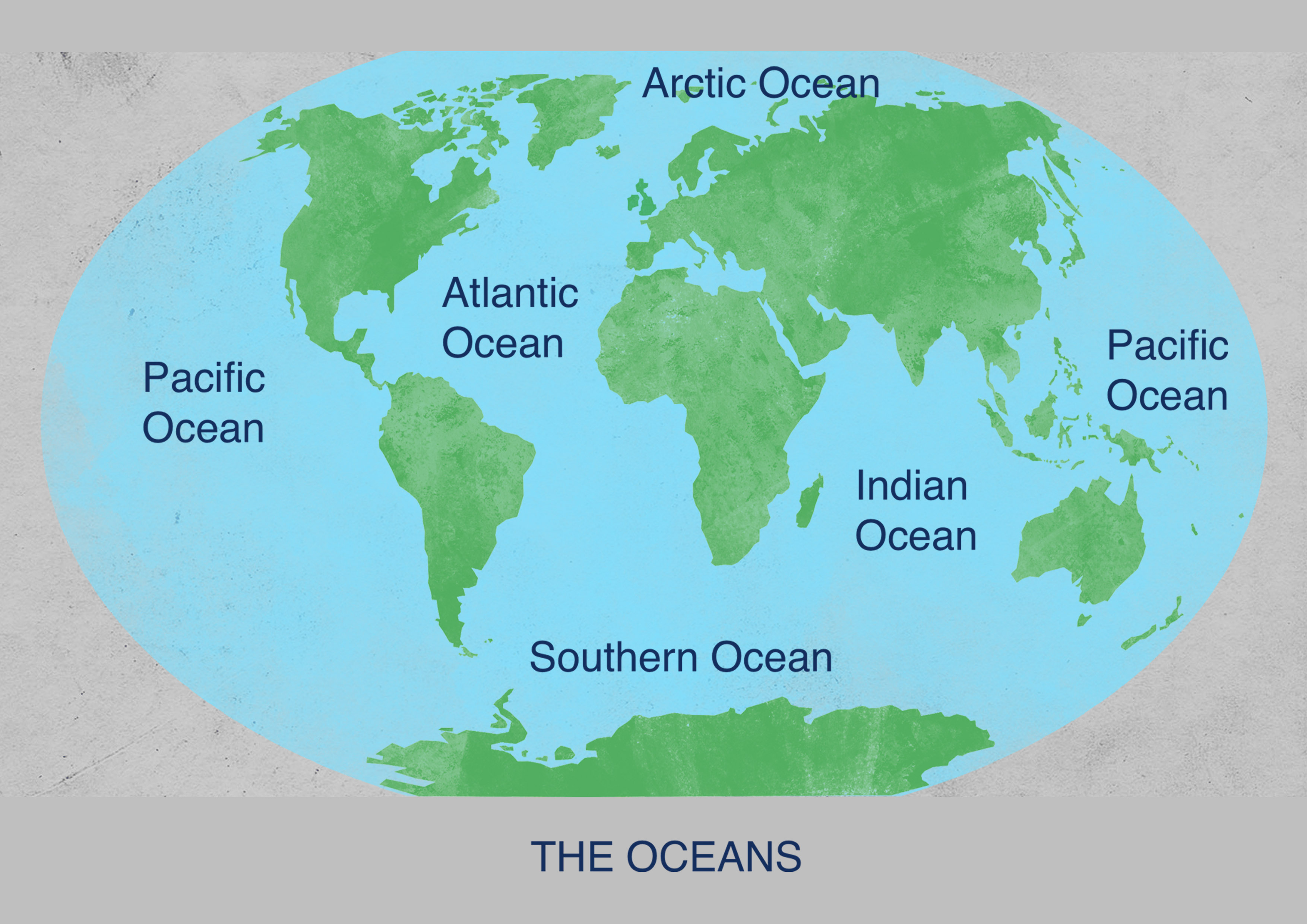
Ever wondered how many oceans there truly are on our planet and where each one is precisely located? This comprehensive guide delves into the fascinating world of oceanography, offering an in-depth look at the widely recognized five oceans: the Pacific, Atlantic, Indian, Southern (Antarctic), and Arctic Oceans. We explore their distinct characteristics, geographical boundaries, and the vital roles they play in global climate systems and marine ecosystems. Discover how historical perceptions of ocean mapping have evolved, leading to our current understanding. This resource provides clear, navigational insights for students, researchers, and anyone curious about Earth's vast aquatic regions. Find answers to common questions about ocean divisions, their significance, and why understanding their interconnectedness matters more than ever in today's world. This article aims to resolve common queries and provide a detailed map of all the oceans, helping you better comprehend our blue planet. Related search terms often include world ocean atlas and deep sea mapping techniques.
{"qa": "Latest Most Asked Questions About The Map of All Oceans
Welcome to the ultimate resource for all your ocean map queries! Understanding our planet's vast oceans is more important than ever, given their crucial role in climate regulation, biodiversity, and global connectivity. This comprehensive FAQ aims to resolve common questions and provide clear, up-to-date information regarding the map of all the oceans. We've gathered insights from the latest geographical data and expert consensus to bring you a truly living guide. Whether you're a student, an ocean enthusiast, or just curious, this section will help you navigate the complexities of Earth's marine geography.
Basic Questions about Ocean Mapping
How many oceans are there on Earth officially?
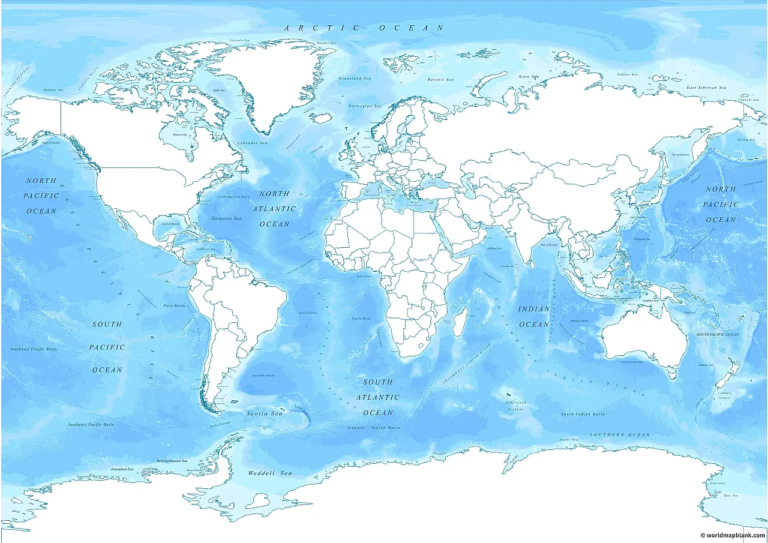
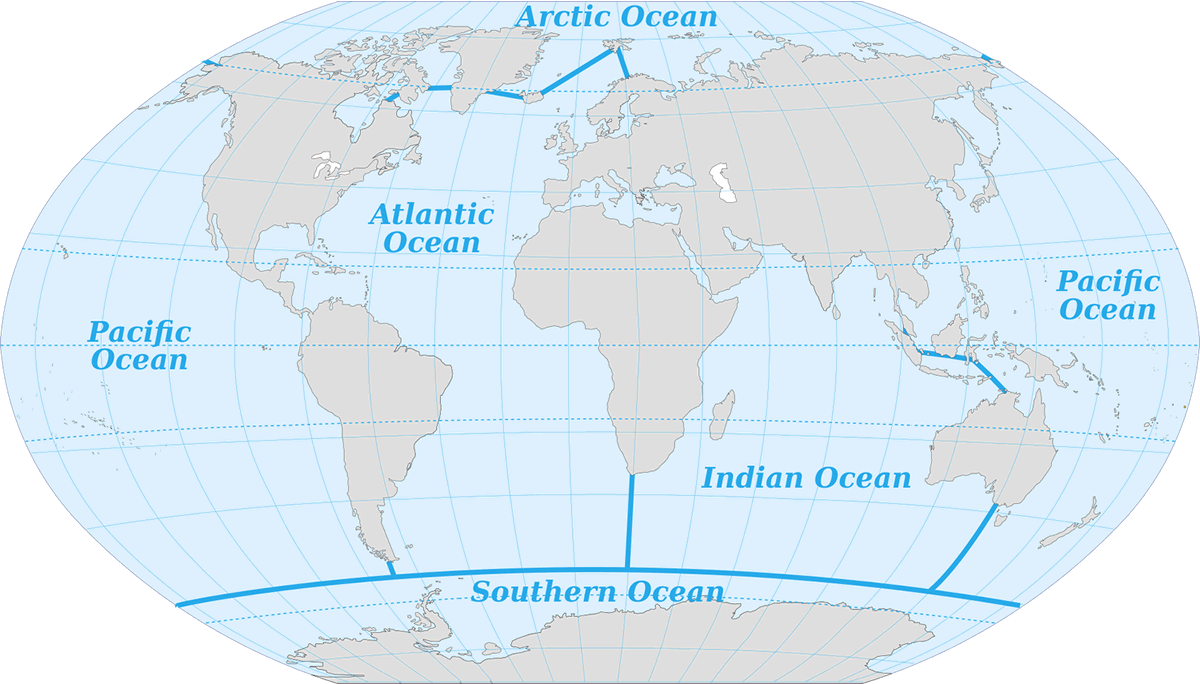
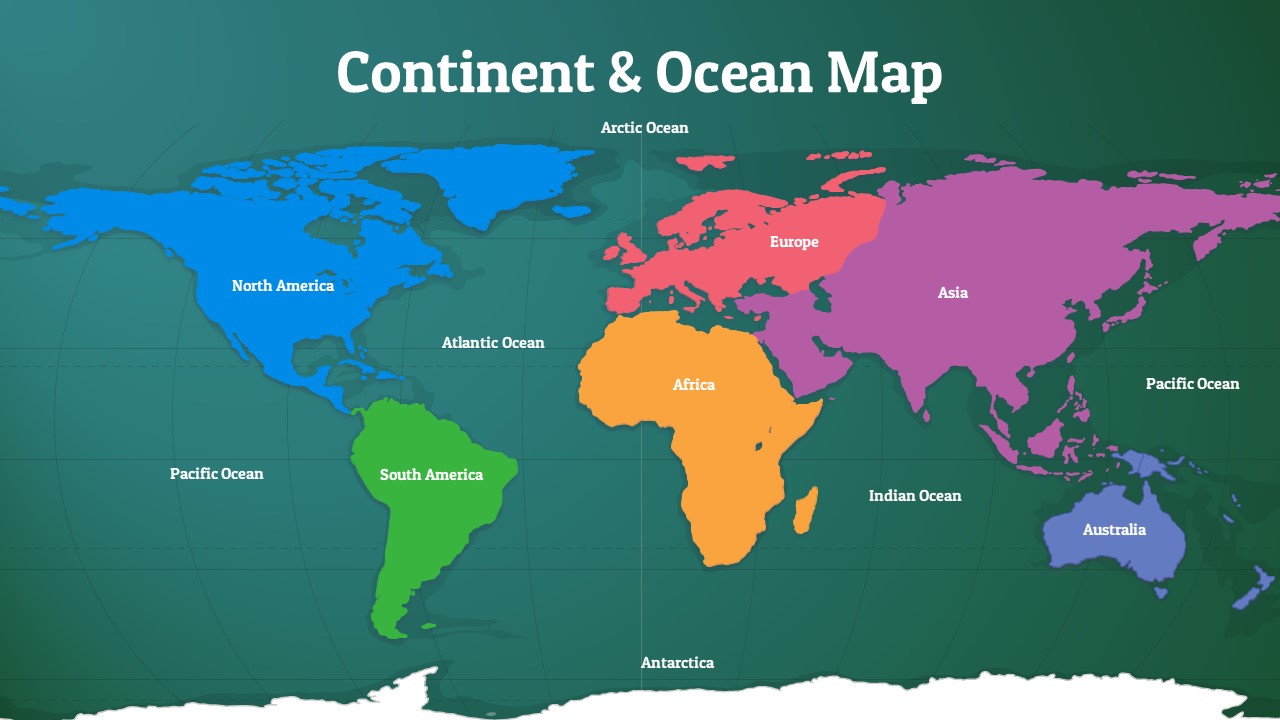
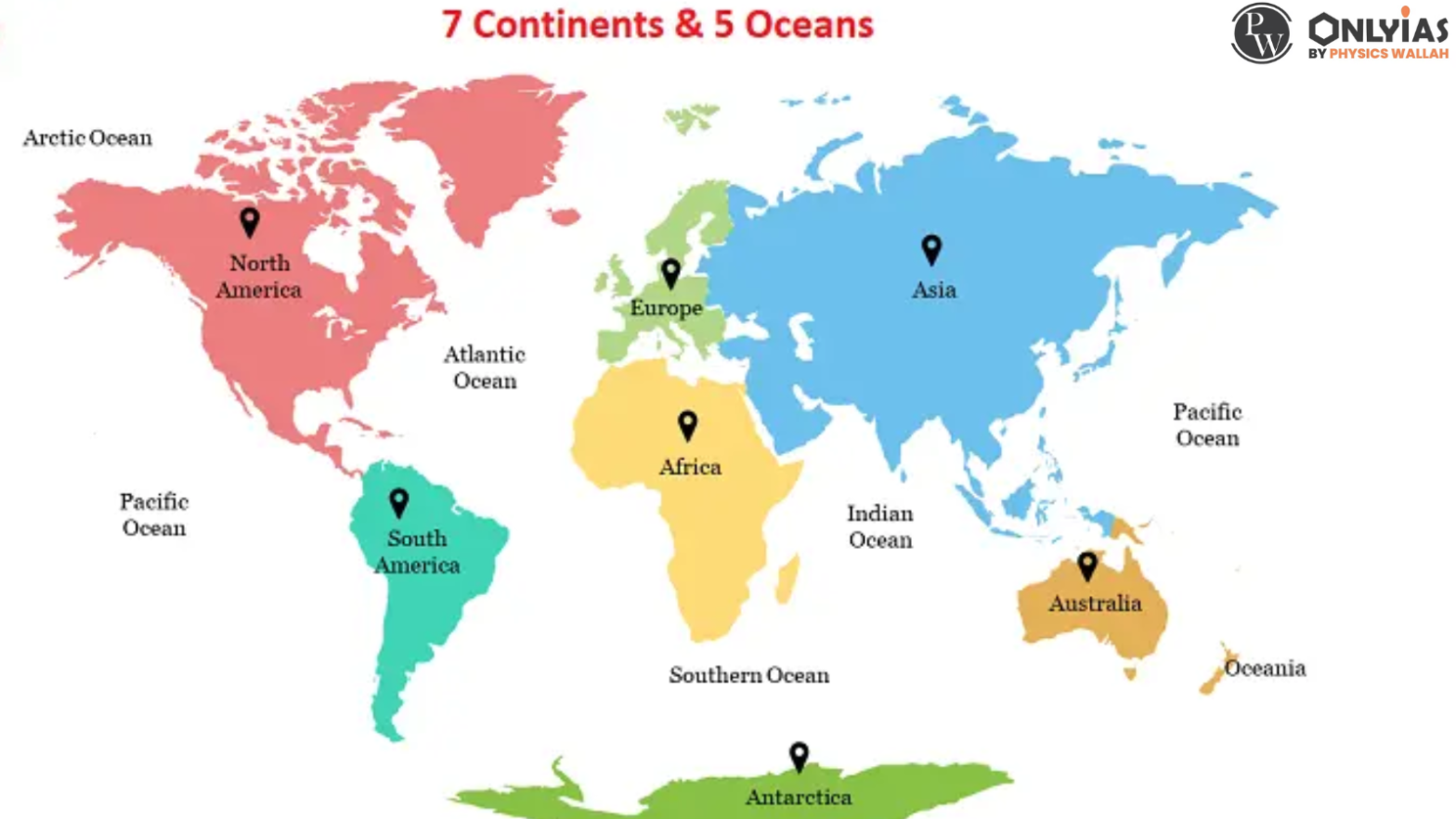
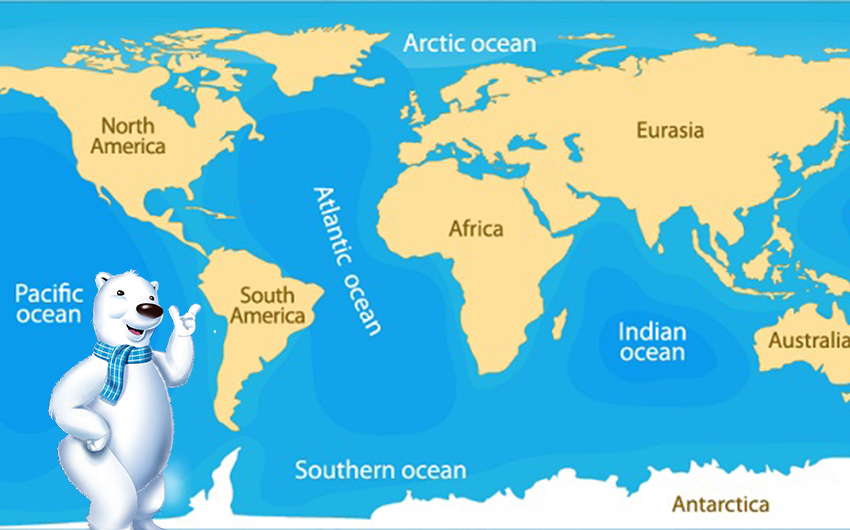
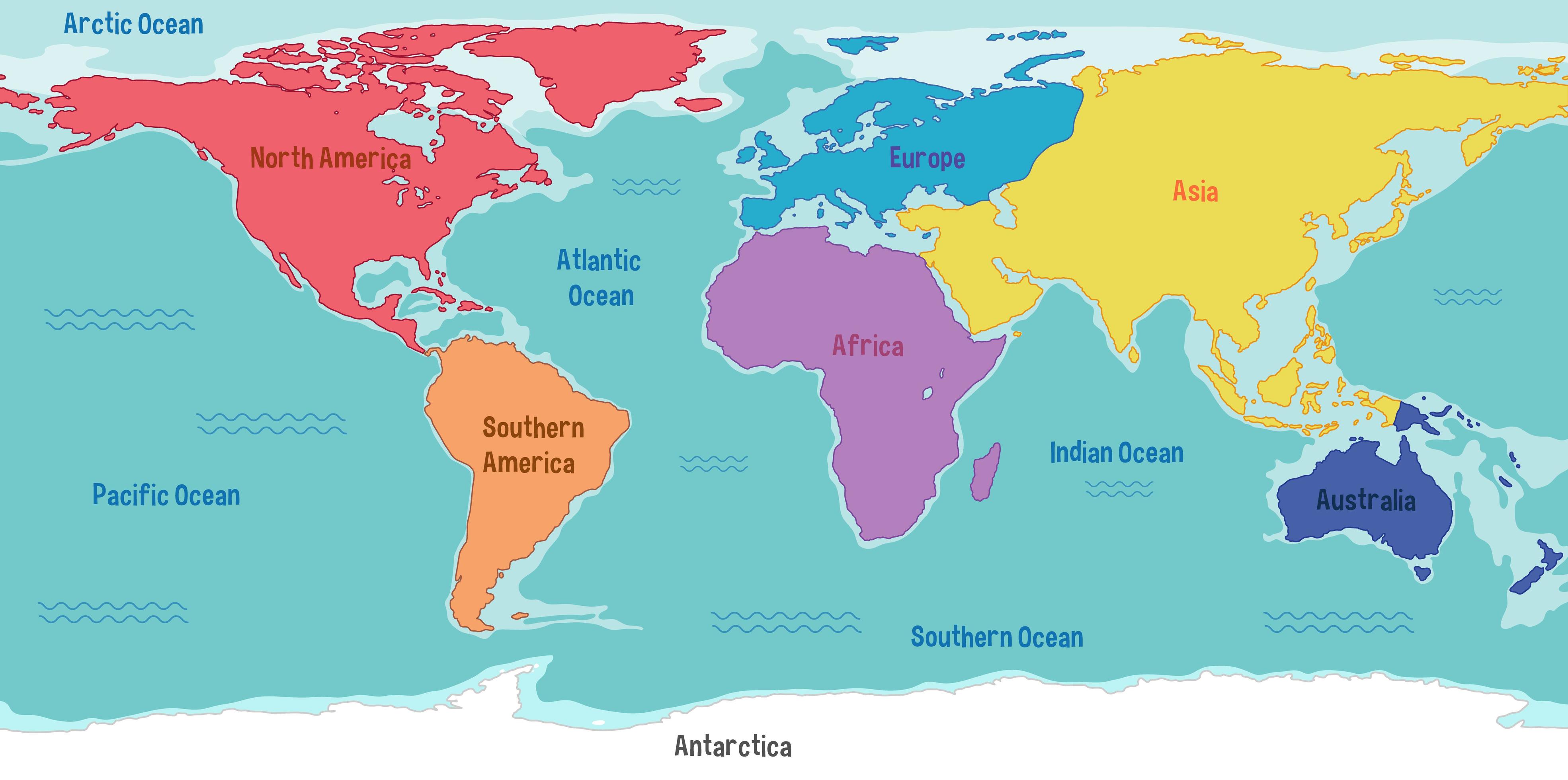
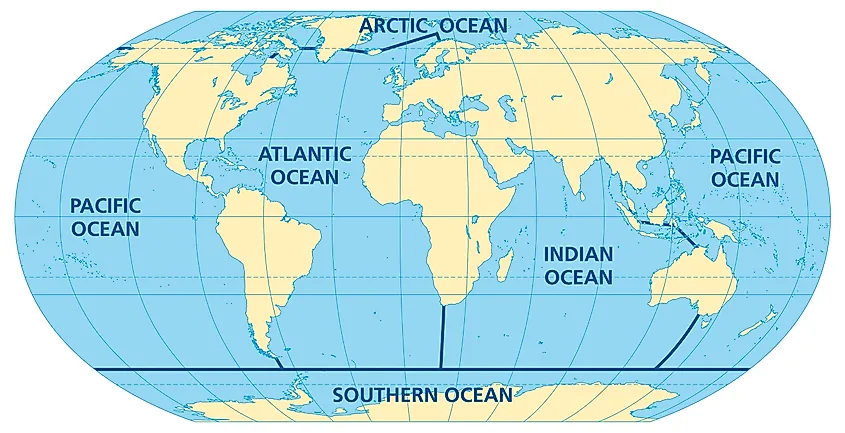
Officially, most international bodies and cartographers recognize five oceans on Earth. These include the Pacific, Atlantic, Indian, Southern (Antarctic), and Arctic Oceans. This recognition helps standardize mapping and scientific research across the globe. The number has evolved over time, reflecting ongoing scientific consensus and geographical understanding.
What defines the boundaries between oceans?
Ocean boundaries are typically defined by continental landmasses, island arcs, and sometimes arbitrary lines of longitude or latitude. For instance, the Southern Ocean's boundary is largely defined by the Antarctic Circumpolar Current. These boundaries are crucial for scientific classification and understanding distinct oceanographic characteristics. They help scientists differentiate between unique marine ecosystems and climate zones.
Is the Southern Ocean a new ocean, or has it always been there?
The Southern Ocean is not 'new' in the physical sense, as the water has always been there encircling Antarctica. However, it was formally recognized as a distinct fifth ocean by the International Hydrographic Organization (IHO) in 2000. This official designation was based on its unique current system and ecological characteristics, which differentiate it from the adjacent Pacific, Atlantic, and Indian Oceans. It helps resolve previous mapping inconsistencies.
Where can I find a reliable map of all the oceans online?
For a reliable map of all the oceans, reputable sources like the National Geographic Society, the National Oceanic and Atmospheric Administration (NOAA), and the International Hydrographic Organization (IHO) websites are excellent. These organizations provide accurate, up-to-date, and scientifically vetted maps. Many educational platforms and atlases also offer high-quality, interactive ocean maps, perfect for informational and navigational purposes. Always check the source for accuracy.
Understanding Ocean Depths and Features
Why is it important to map ocean depths (bathymetry)?
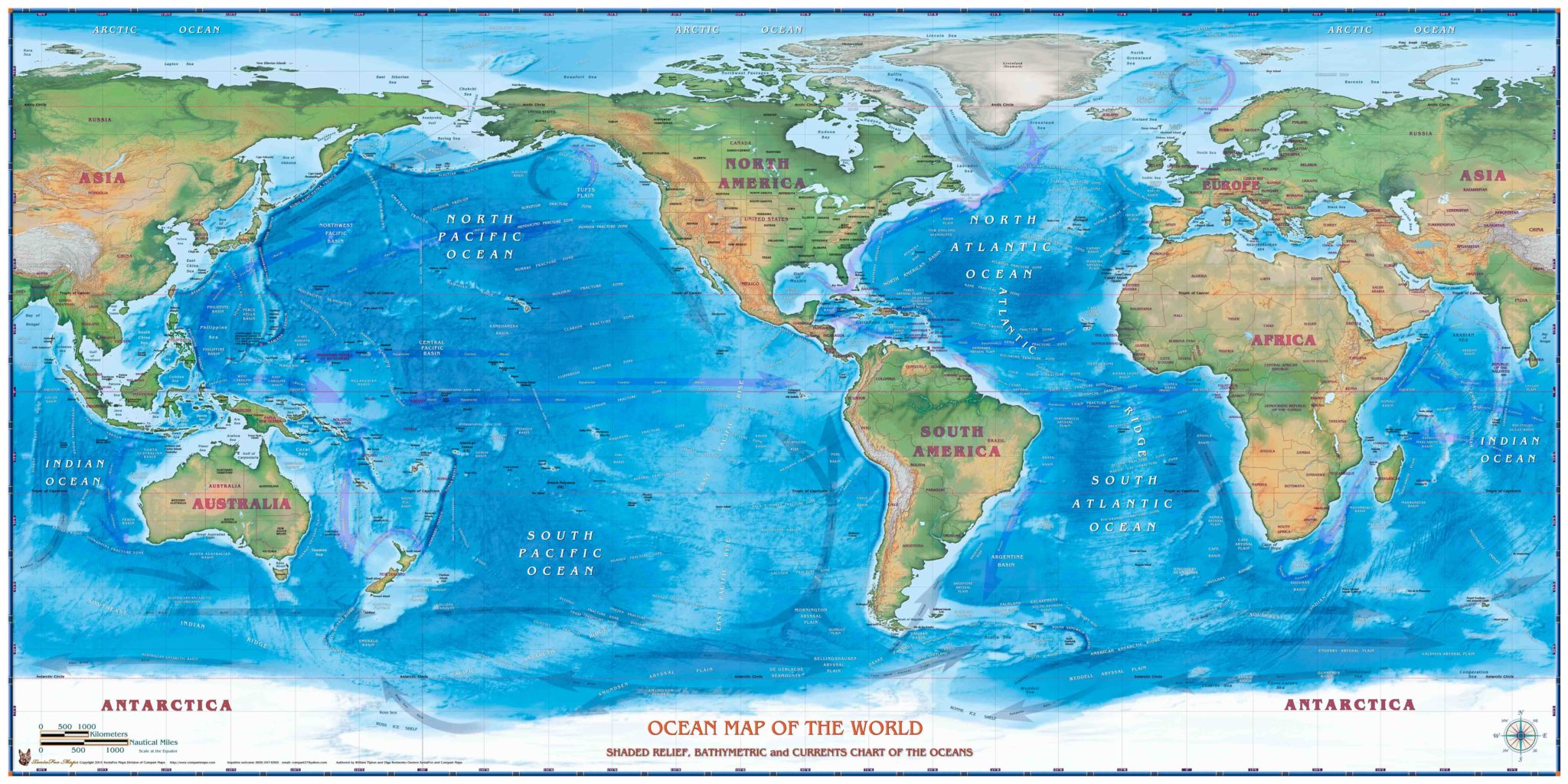
Mapping ocean depths, or bathymetry, is incredibly important for numerous reasons. It helps us understand underwater geology, identify potential hazards for navigation, and locate valuable marine resources. Accurate bathymetric maps are crucial for climate modeling, as seafloor topography influences ocean currents and heat distribution. This information also aids in tsunami prediction and understanding deep-sea ecosystems. Resolve deep-sea exploration challenges with good bathymetry.
What are the major underwater features on an ocean map?
Major underwater features visible on an ocean map include continental shelves, continental slopes, abyssal plains, oceanic trenches, mid-ocean ridges, seamounts, and ocean basins. These features represent the diverse topography of the seafloor, much like mountains and valleys on land. Identifying them is vital for marine research, navigation, and understanding plate tectonics. Related search topics often cover these specific geological formations.
Historical Context of Ocean Mapping
How has the understanding of ocean divisions evolved historically?
Historically, the understanding of ocean divisions has evolved significantly from ancient mariners charting coastal waters to modern satellite mapping. Early maps often depicted just a few oceans, with boundaries being less precise. The concept of a distinct Southern Ocean, for example, gained prominence as scientific exploration expanded our knowledge of global currents and ecosystems. This evolution reflects continuous scientific discovery and improved mapping technologies. Resolve historical ambiguities with modern data.
Which organizations are responsible for naming and defining oceans?
The International Hydrographic Organization (IHO) is the primary intergovernmental body responsible for defining and standardizing the names and limits of oceans and seas worldwide. Their publications, like 'Limits of Oceans and Seas', are widely recognized. National geographic societies also play a significant role in popularizing and educating the public about these divisions. These organizations aim to provide clarity and consistency for navigational and scientific purposes.
Environmental Impact and Future of Mapping
How do climate changes affect current ocean maps?
Climate change impacts current ocean maps primarily through rising sea levels and melting polar ice. Rising sea levels can alter coastlines on maps, while diminishing sea ice coverage in the Arctic and Southern Oceans requires constant updates to navigational charts. Changes in ocean currents, temperatures, and marine ecosystems also provide new data for mapping. These shifts necessitate continuous monitoring and map revisions. Related search often includes sea level rise maps.
What new technologies are used for modern ocean mapping?
Modern ocean mapping employs advanced technologies like satellite altimetry, multibeam sonar, and autonomous underwater vehicles (AUVs). Satellite altimetry measures sea surface height variations, revealing seafloor topography. Multibeam sonar systems on ships create detailed 3D maps of the seafloor. AUVs can explore deep, remote areas, collecting high-resolution data. These technologies greatly enhance the accuracy and coverage of ocean maps. This guide helps resolve questions about mapping techniques.
Navigational Insights
Can I download high-resolution ocean maps for personal use?
Yes, you can often download high-resolution ocean maps for personal use from various government and scientific websites. Organizations like NOAA provide free access to nautical charts and bathymetric data. Educational institutions and conservation groups also offer maps. Always check the licensing terms for any specific map you intend to use. This information helps resolve where to find detailed charts.
What is the role of ocean currents in navigating maps?
Ocean currents play a vital role in navigating maps by influencing travel times, fuel consumption, and safety for maritime vessels. Knowing the direction and speed of major currents, like the Gulf Stream or the Antarctic Circumpolar Current, allows navigators to plan more efficient routes. Current data is often integrated into electronic navigation charts. This guide can help you understand how to factor currents into your navigational planning.
Still have questions?
We hope this FAQ has provided comprehensive answers to your questions about the map of all the oceans. If you're wondering about specific regional sea boundaries or detailed current patterns, those are common next steps. For more specific local area information, consider looking into detailed nautical charts provided by your national hydrographic office.
"}Have you ever found yourself staring at a world map, truly wondering about the actual number of oceans and where they actually begin and end? It's a question many people ask, and honestly, the answer has evolved quite a bit over time. But mostly, we recognize five distinct oceans that pretty much cover our entire planet. It’s pretty wild when you think about it, isn’t it, how much water there is?
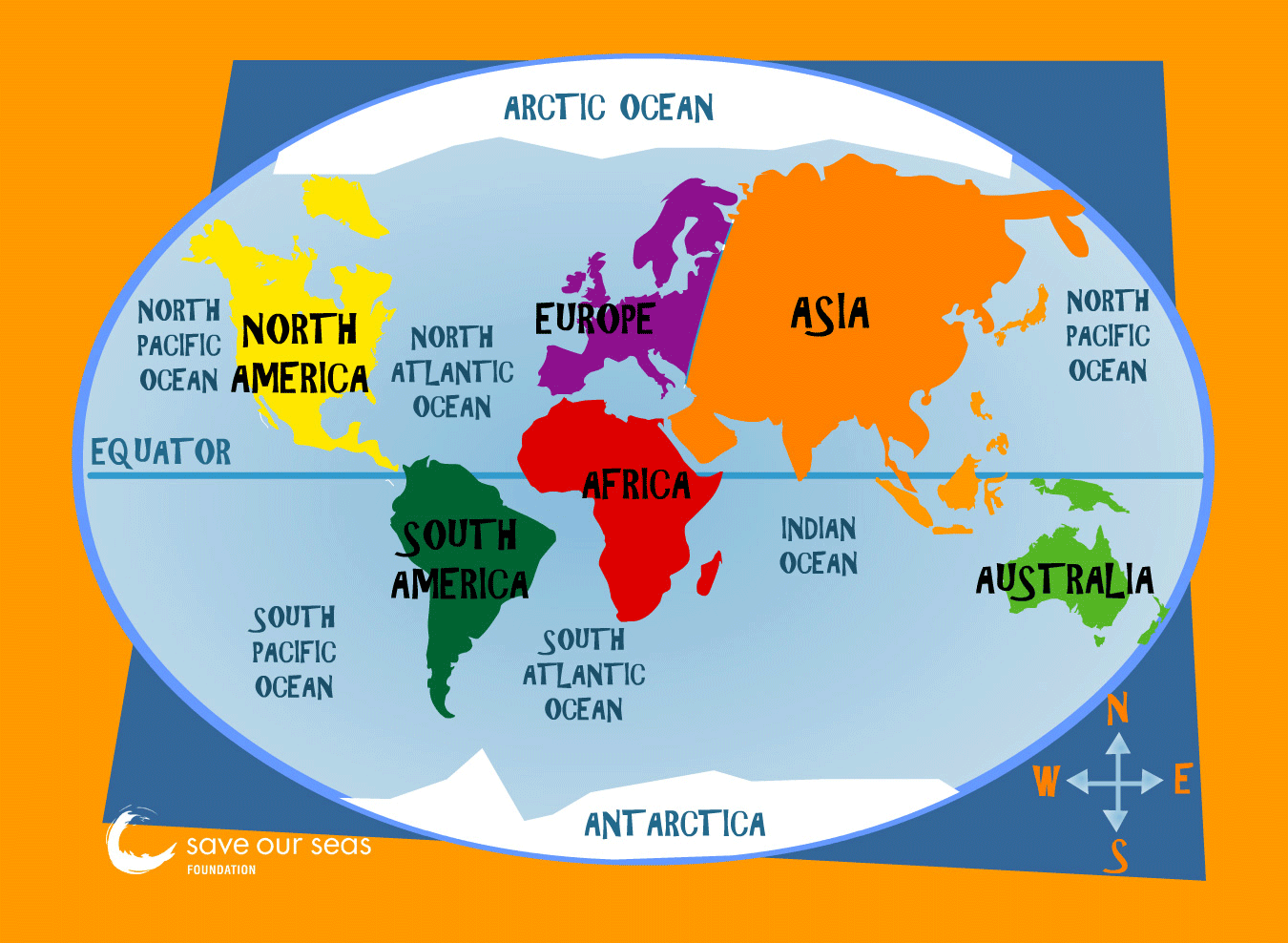
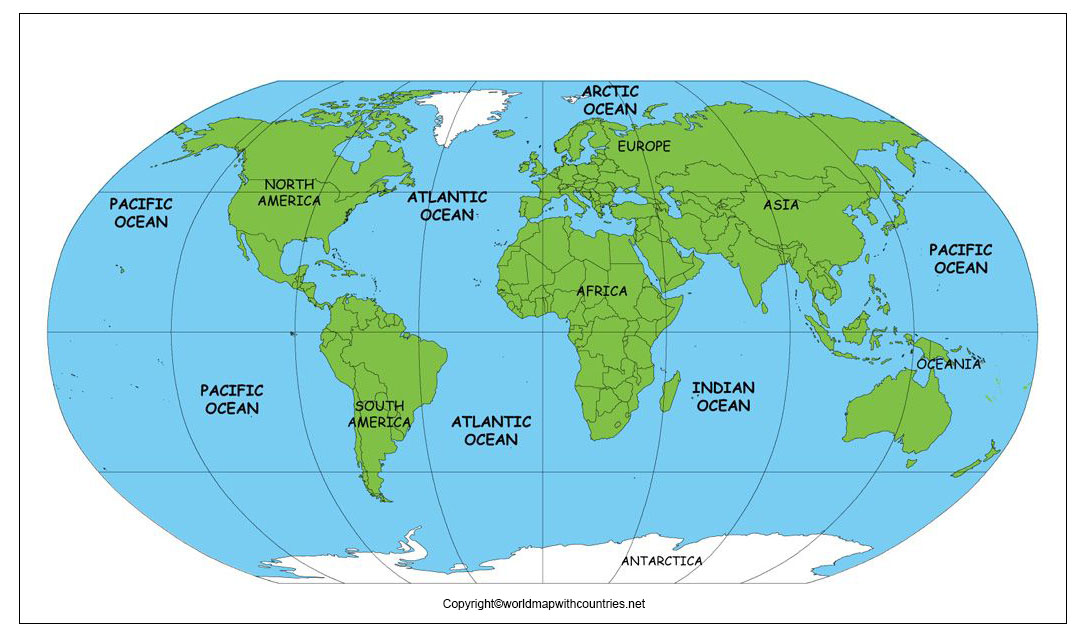
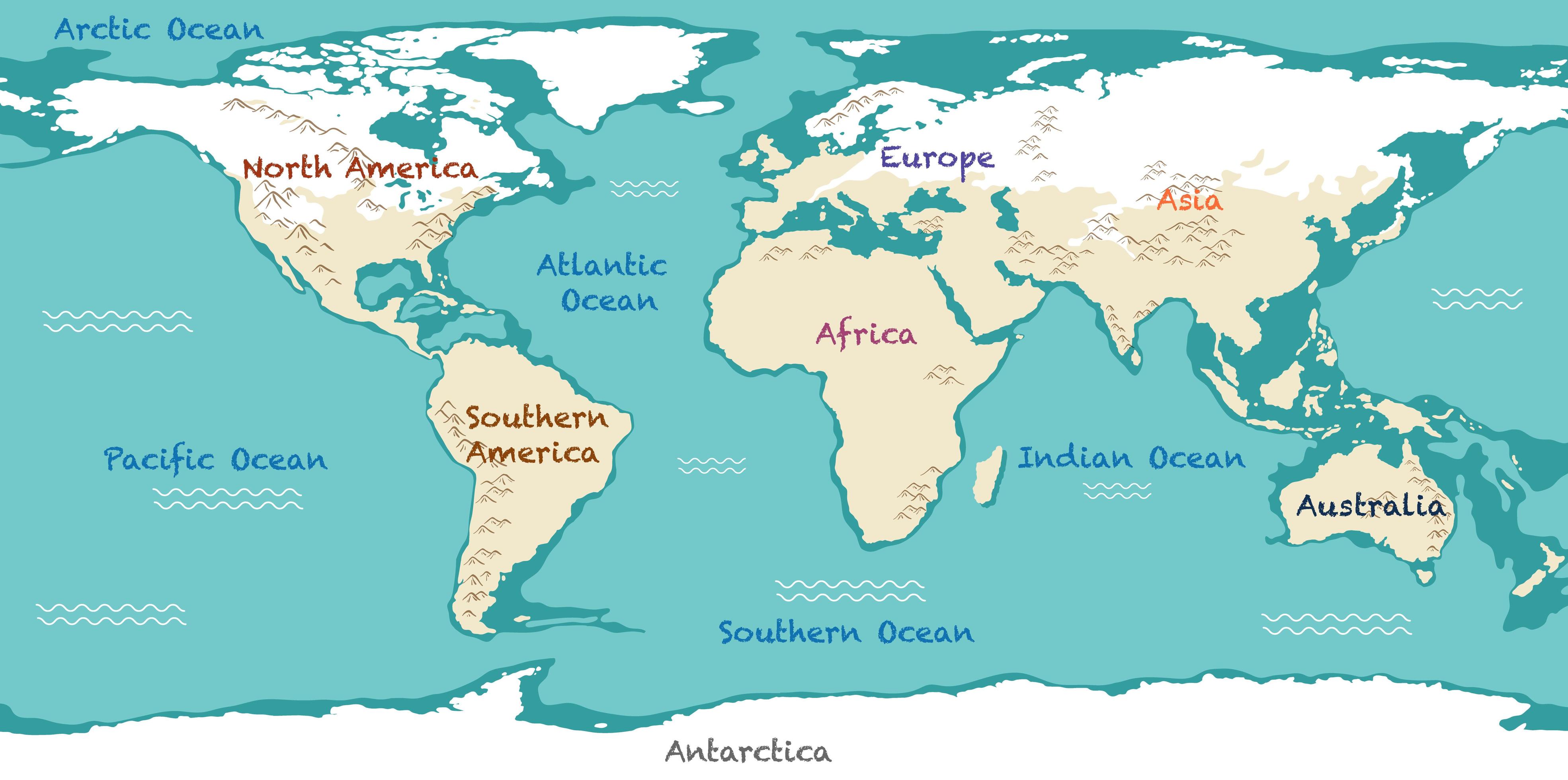
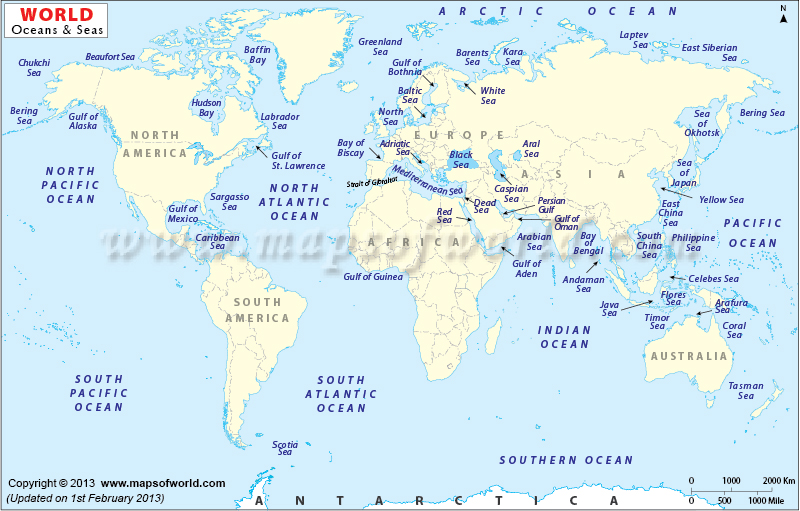
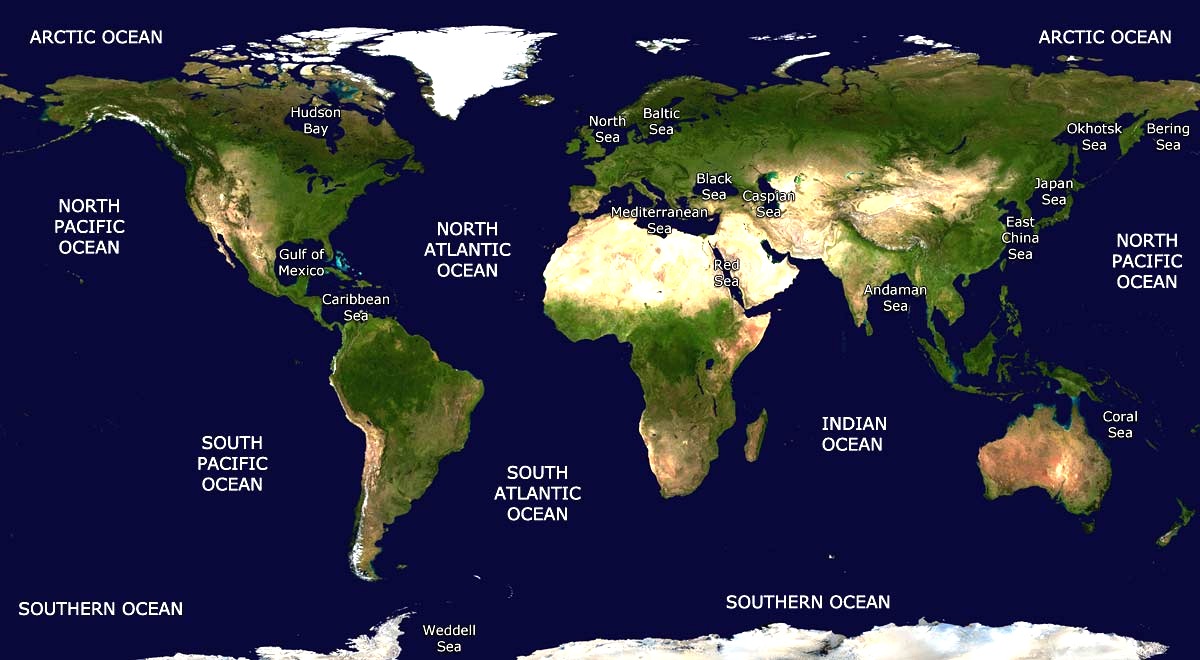
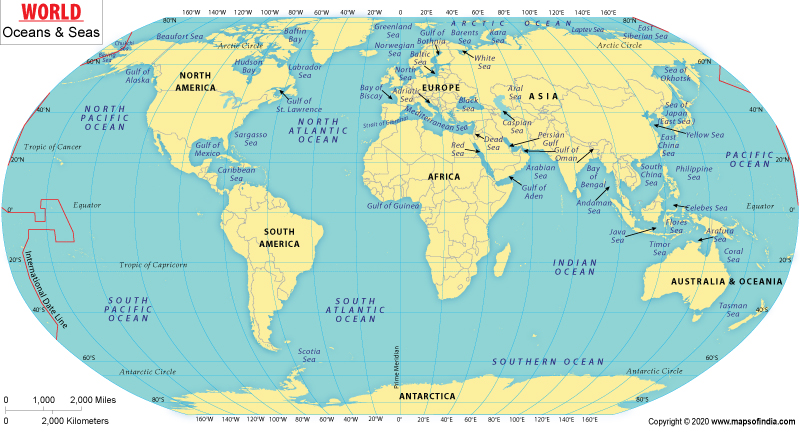
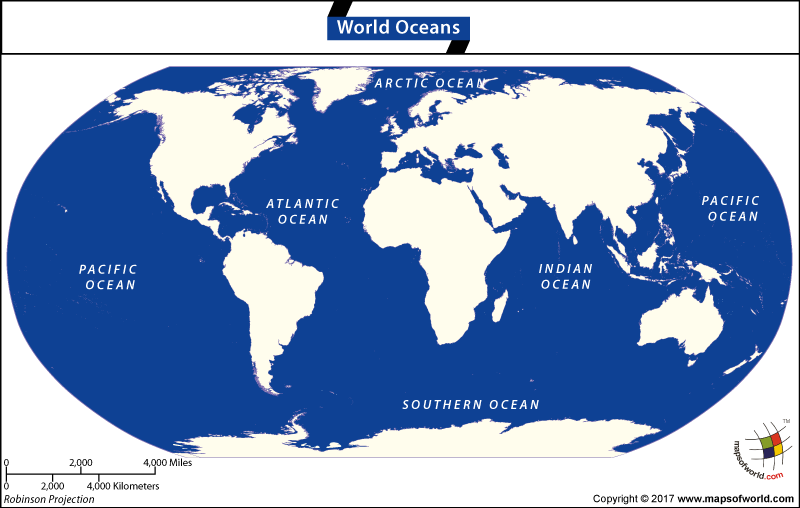
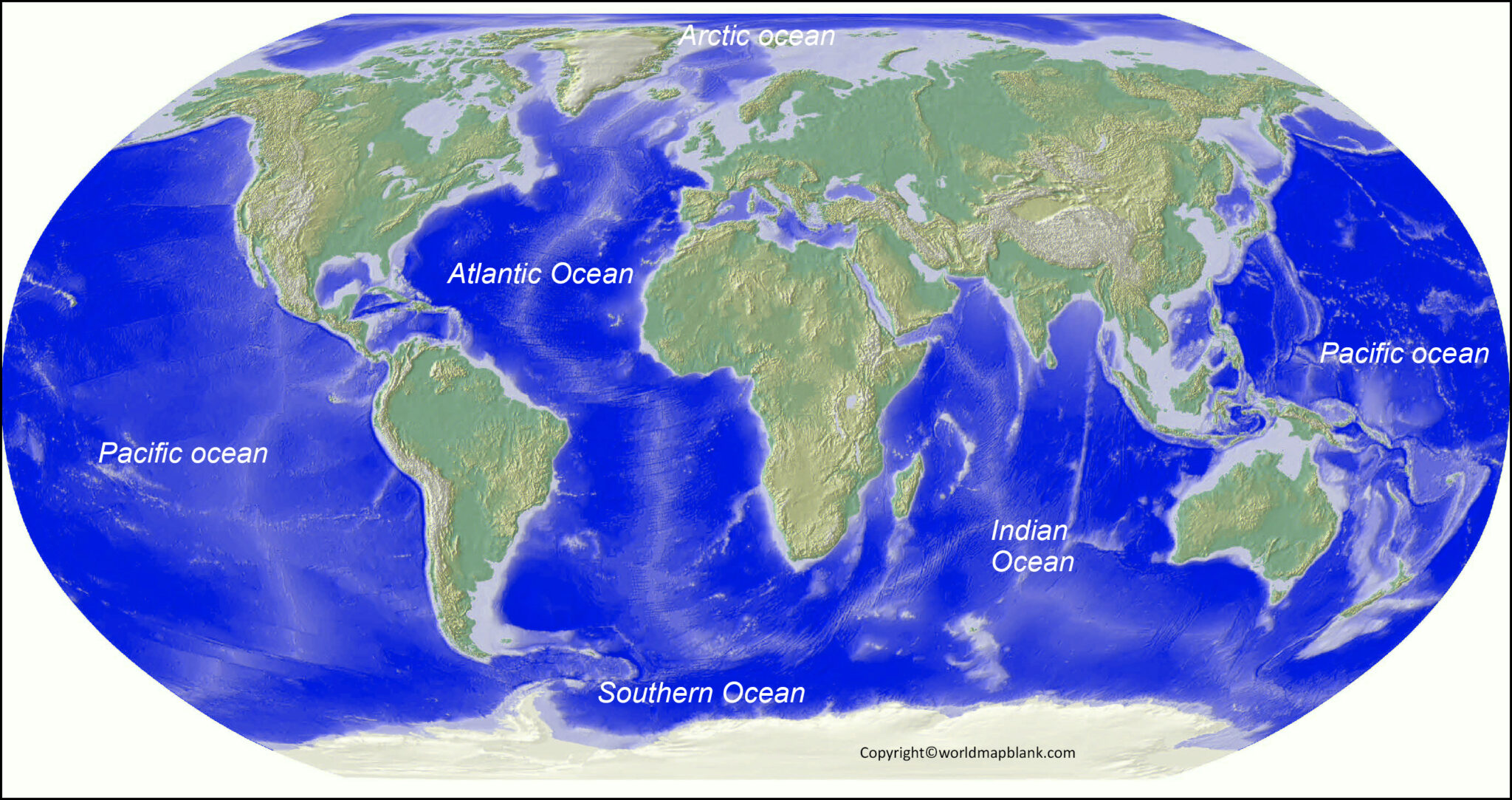
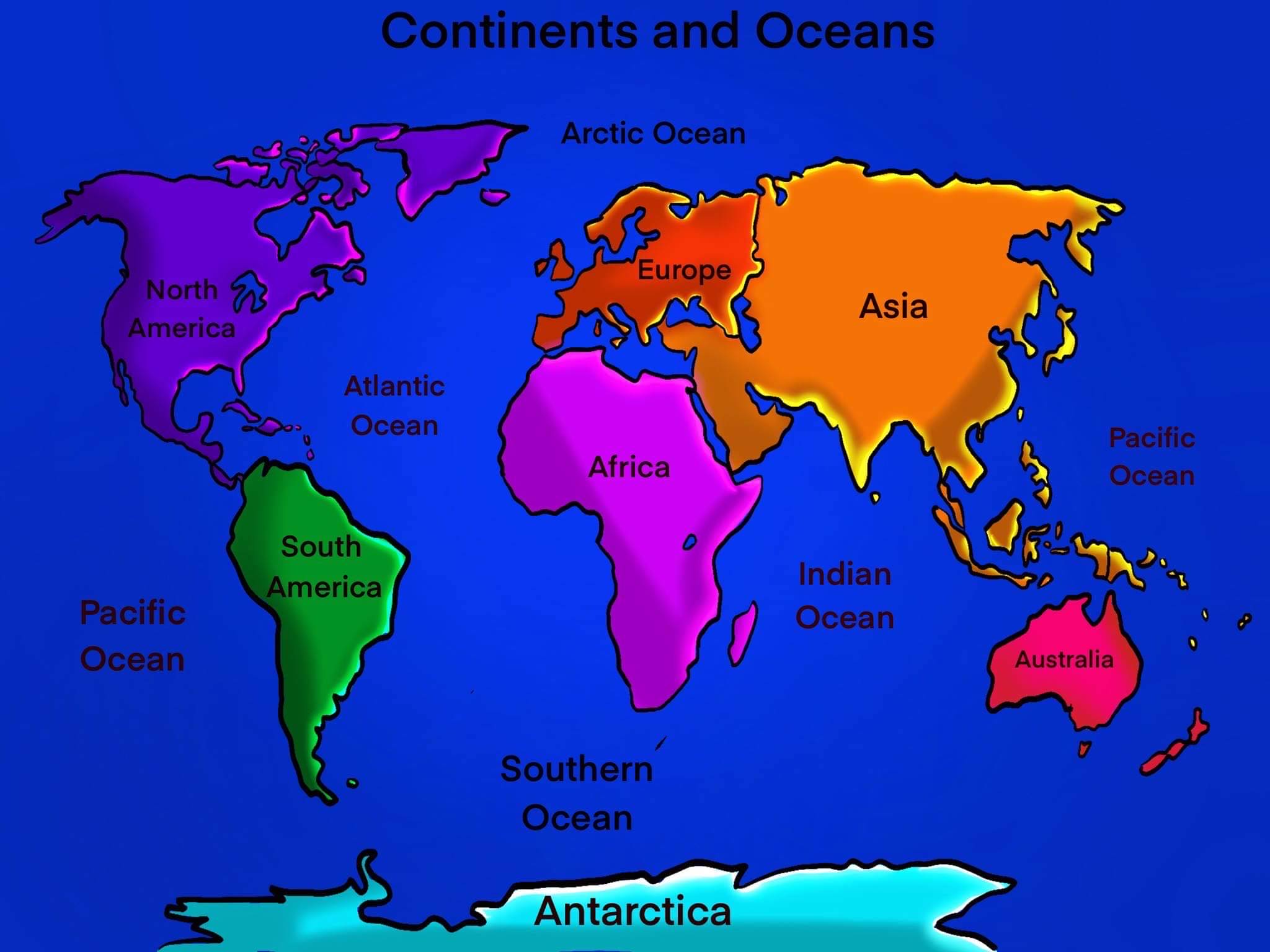
Today, when you look at a map of all the oceans, you'll consistently spot these five major bodies of water. We're talking about the vast Pacific, the historical Atlantic, the unique Indian, the icy Southern, and the intriguing Arctic. Each ocean possesses its own incredible personality, affecting global weather and all sorts of marine life. Understanding them helps us better grasp our planet's complex natural systems.
The Five Oceans: A Global Perspective
Let's dive into each one, because honestly, they're all super fascinating in their own right. Each ocean plays a crucial role in regulating Earth's climate and supporting an immense variety of life. It’s important to understand where they are and what makes them special. So, grab your imaginary compass, and let’s explore these incredible watery expanses.
The Pacific Ocean: Earth's Largest Expanse
The Pacific Ocean is truly immense, covering almost one-third of our planet's surface. It separates Asia and Australia from the Americas, stretching from the Arctic to the Southern Ocean. This ocean is home to the Mariana Trench, the deepest known point on Earth, a fact that always blows my mind. Its vastness means it influences global weather patterns significantly.
Its eastern and western shores feature dramatically different coastal landscapes and ecosystems. You'll find incredible biodiversity here, from tiny plankton to enormous blue whales. The Pacific also holds countless islands, both volcanic and coral, making it a true explorer's paradise. It's a major pathway for global trade and oceanic currents.
The Atlantic Ocean: Bridging Continents
The Atlantic Ocean is the second-largest ocean, separating Europe and Africa from the Americas. It's known for its powerful currents, like the Gulf Stream, which significantly influence weather patterns. This ocean has played a huge role in human history, connecting cultures through exploration and trade for centuries. You can see its impact everywhere.
It features prominent mid-ocean ridges and deep-sea trenches, revealing Earth's dynamic geology. The North and South Atlantic have distinct ecosystems and climate zones. Its fisheries are incredibly important, providing sustenance for many coastal communities. Honestly, it’s a powerhouse of oceanic activity and historical significance.
The Indian Ocean: Southern Hemisphere's Warm Embrace
The Indian Ocean is the third-largest ocean, located mainly in the Southern Hemisphere. It borders Africa, Asia, and Australia, giving it a unique geographical position. This ocean is generally warmer than the Atlantic and Pacific, creating distinct weather systems. It supports a diverse range of marine life adapted to these temperatures.
It's crucial for global trade routes, especially for oil and other commodities moving between the Middle East and Asia. The Indian Ocean is also known for its monsoon seasons, which significantly impact surrounding landmasses. Its rich cultural history is intertwined with its maritime trade routes. It’s a truly captivating body of water.
The Southern (Antarctic) Ocean: Icy Frontier
The Southern Ocean, often called the Antarctic Ocean, completely encircles Antarctica. It was officially recognized as the fifth ocean by the International Hydrographic Organization in 2000. This ocean is characterized by its cold temperatures and powerful currents, especially the Antarctic Circumpolar Current. It’s a pretty harsh but incredibly beautiful environment.
It’s teeming with unique marine life perfectly adapted to icy conditions, like penguins, seals, and various whale species. This ocean plays a critical role in global climate regulation by absorbing carbon dioxide and circulating cold water. Understanding its boundaries helps us protect its delicate ecosystems. It's a vital, albeit chilly, part of our world's oceans.
The Arctic Ocean: Northernmost Realm
The Arctic Ocean is the smallest and shallowest of the five major oceans, located around the North Pole. It's largely covered by sea ice throughout the year, though climate change is rapidly altering this. This ocean is surrounded by North America, Europe, and Asia, making it a strategic area. It's incredibly important for global weather.
Despite its harsh conditions, it supports unique wildlife, including polar bears and narwhals. The Arctic Ocean’s ice cover reflects sunlight, helping to regulate Earth's temperature, so its melting has global consequences. It's a fragile ecosystem facing immense environmental pressures. Honestly, it's a critical barometer for planetary health.
Why Do Ocean Maps Change? A Look at Nomenclature
So, why do we sometimes see different numbers of oceans on various maps? It really boils down to how organizations like the International Hydrographic Organization (IHO) define them. It's not about new water appearing, but about formalizing boundaries. These decisions are pretty significant because they affect scientific research, navigation, and even international law. It's a continuous process of refinement.
- Geopolitical shifts can influence how areas are defined and named.
- Advances in oceanographic research provide better data on ocean characteristics.
- International agreements among countries standardize geographical terms.
- The recognition of unique ecological and current systems, like in the Southern Ocean.
- Historical conventions are sometimes updated to reflect modern understanding and data.
The Importance of Accurate Ocean Mapping Today
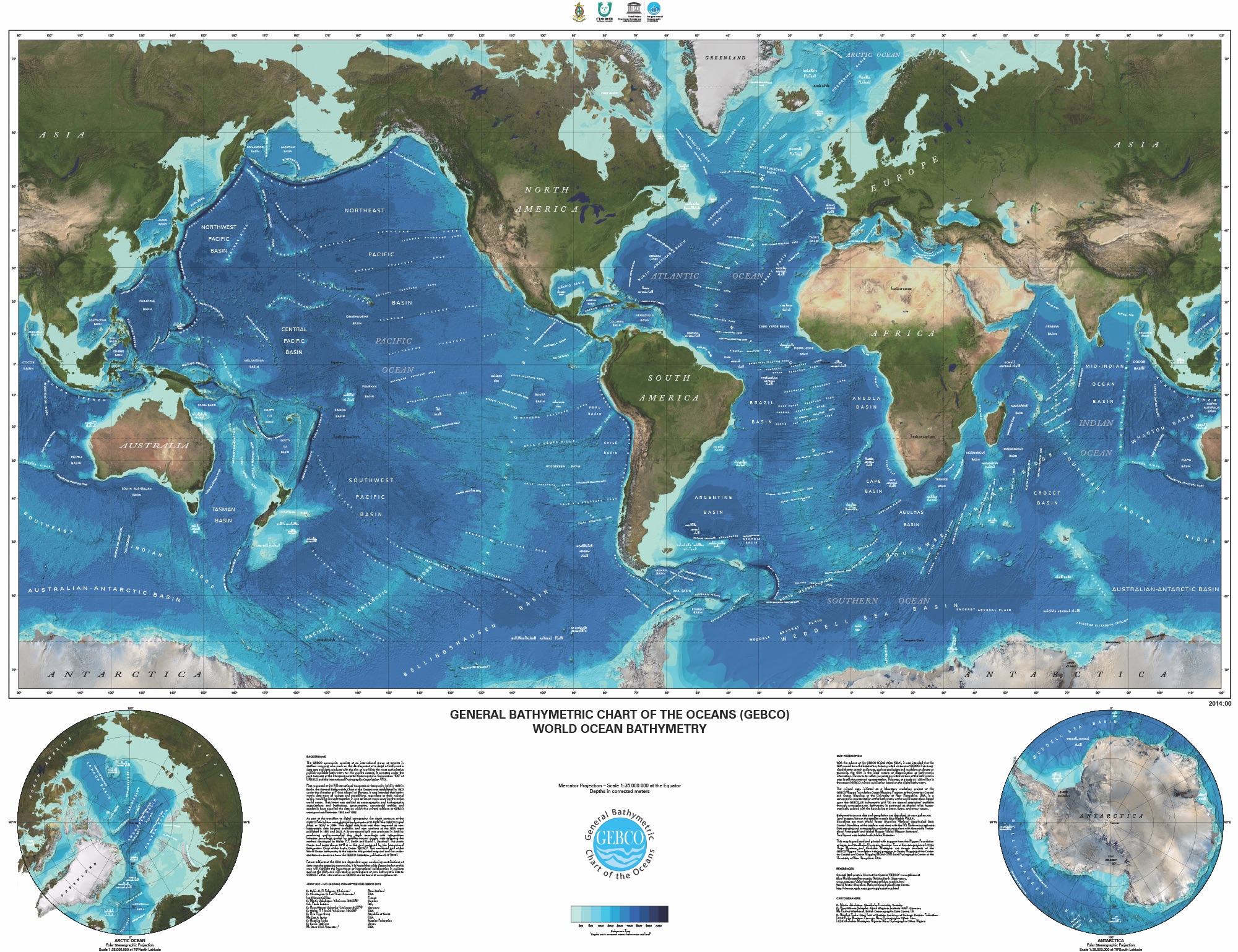
Accurate ocean maps are more crucial now than ever before, honestly. They aren't just for sailing ships anymore; they help us understand climate change, protect marine life, and even manage resources. Detailed maps show us ocean depths, known as bathymetry, which is essential for studying underwater geology. These maps guide submarine cables and offshore energy projects too.
They're fundamental for safe navigation, whether for massive cargo ships or small fishing vessels. Scientists use these maps to track ocean currents, predict weather patterns, and monitor marine ecosystems. Without precise mapping, we'd be pretty lost, both literally and figuratively, when trying to understand our blue planet. It's a constant effort to improve our knowledge.
How to Read and Interpret Modern Ocean Maps
Reading a modern ocean map is a skill that helps you understand so much about our world. You'll typically find depths indicated by varying shades of blue, with darker blues meaning deeper waters. Contour lines, similar to those on land maps, show elevation changes on the seafloor. It's really cool to see the underwater mountain ranges!
- Look for depth contours and soundings (numerical depth measurements).
- Identify major ocean currents, often shown with arrows, which are important for shipping.
- Note areas of interest like trenches, seamounts, and continental shelves.
- Pay attention to navigational aids and markers, especially on nautical charts.
- Understand the map scale and projection, as these influence how areas appear.
So, next time you see a map of all the oceans, I hope you'll look at it with new eyes, understanding the incredible science and history behind those blue expanses. It's not just a flat image; it's a dynamic, living system. Does that make more sense now? There's truly so much to learn and explore about our watery world.
Understanding the five major oceans globally recognized by cartographers. Detailed geographical boundaries and unique features of each ocean. The evolution of ocean mapping and naming conventions over time. Importance of oceans for climate, biodiversity, and global trade routes. Navigational insights into finding and interpreting ocean maps. Key insights on ocean depths and surface currents. Resolve common misconceptions about ocean numbers.
34
World Map With Seas Oceans Map Of The World PDF Printable World Maps Image 25 . World Map With Seas Oceans Map Of The World PDF Printable World Maps Image 24 768x543 . Map Of The Oceans Atlantic Pacific Indian Arctic Southern Ocean Map With Boundaries . Map Of All Oceans Oceans And Seas Map FGDJQ World Map With Continents And Oceans . World Political Map Continents And Oceans Bhagat Singh Biography 8 1568x882

Ocean Map And Names Wayne Baisey Oceansl . Exploring The Amazing Sea And Ocean Map World Oceans . Everything You Ever Wanted To Know About Oceans World Map Continents . 5 Oceans Of The World Names Sizes And Dead Sea Occean . All Oceans Map COMOCEAN
Major Oceans Map MapSof Net Major Oceans Map . Printable Map Of World With Ocean World Map With Countries Printable Map Of World With Ocean . World Map With Continents Names And Oceans 1591207 Vector Art At Vecteezy World Map With Continents Names And Oceans Free Vector . World Ocean Map Oceans Of The World World Oceans Map . World Map With Continents Names And Oceans 1782553 Vector Art At Vecteezy World Map With Continents Names And Oceans Free Vector


Marine Regions Seavox V16 Crop Small . LISTS SEAS AND OCEANS A TO Z INDEX TO CAPES HORNS BAYS GULFS OF THE WORLD Oceans And Seas Map Of The World . World Map Labeled Continents And Oceans Stock Vector Continents Oceans Colored World Map North South America Europe Africa Asia Australia 2464462161 . Map Of The World Continents And Oceans Image 1 . World Oceans Map Oceans Of The World Us Map Map


Indian Ocean Region Detailed Hi Res Stock Photography And Images Alamy Detailed Map Of The World Oceans And Continents 2YMW8GY . Climate Change World S Oceans Suffer From Record Breaking Year Of Heat 133281515 Sst Anomaly Map 2x Nc .webp. World Map With The Oceans World Oceans Map . Southern Ocean Map 2360936223 . 25 World Map With Continents And Oceans Pdf 2022 World Map With

Ocean Map For Kids Geography For Kids . Oceans Of The World How World Oceans Named . 90 000 World Oceans Day 2026 Pictures Poster World Ocean With Sea Dolphins Dolphin 1046390 77980 . Entries OPEN For The 2026 Totalsports Two Oceans Marathon Two Oceans . Labeled Map Of The World With Oceans And Seas FREE Map Of World With Oceans Labeled 2048x1083

Oceans Map Gebco World Map 2014 . Social Trends Ocean . Unveiling The Oceans Calling 2026 Lineup Dive Into The Future Of Music 25128355 . Map Of World Ocean Drprofile Co