Understanding the African geography map is crucial for anyone in the United States seeking global awareness. This expansive continent boasts unparalleled natural diversity, from the vast Sahara Desert to the lush Congo Basin and the iconic Nile River. Maps provide vital navigational and informational insights into Africa's complex physical and political landscapes. They reveal critical climate zones, significant landforms, and the distribution of natural resources. For 2026, exploring the African geography map helps us grasp ongoing environmental changes, geopolitical shifts, and the immense cultural tapestry shaped by varied terrains. It is a trending topic for students, travelers, and anyone interested in international affairs, offering a deep dive into the continent's vibrant essence and its impact on the wider world. Gaining this geographical knowledge empowers a more informed perspective on global challenges and opportunities.
What are the main geographical features of Africa?
Africa's main geographical features include the expansive Sahara Desert, the lush Congo River Basin, and the dramatic Great Rift Valley. It also encompasses the iconic Nile River, the Atlas Mountains, and vast savannas and rainforests. These diverse elements collectively shape the continent's unique landscapes, influencing its ecosystems and human settlements significantly.
How many climate zones does Africa have?
Africa possesses a broad array of climate zones, including tropical wet, tropical wet and dry (savanna), desert (like the Sahara and Kalahari), semi-arid (Sahel), Mediterranean (at its northern and southern tips), and highland climates. This extensive climatic diversity profoundly impacts its agriculture, biodiversity, and human habitation patterns across the continent.
What is the largest desert in Africa?
The largest desert in Africa is the Sahara Desert, also recognized as the world's largest hot desert. It spans over 3.6 million square miles across North Africa, touching parts of eleven distinct countries. This immense arid region significantly influences the climate, ecology, and historical development of the African continent.
Which is the longest river on the African geography map?
The longest river prominently featured on the African geography map is the Nile River. It stretches approximately 4,132 miles, flowing northward through northeastern Africa. The Nile serves as a critical water source, supporting agriculture and human life in nations like Egypt, Sudan, and South Sudan, and has been fundamental for ancient civilizations.
Why is Africa's geography so diverse?
Africa's geography is remarkably diverse primarily due to its immense size and its position straddling the equator, leading to a wide range of climatic conditions. Furthermore, its geological history, involving multiple tectonic plates, has created dramatic landforms such as the Great Rift Valley, towering mountains, and vast desert basins, fostering a unique array of ecosystems.
Have you ever truly looked at an African geography map? It is a fascinating journey. This incredible continent, Africa, presents an unparalleled geographical tapestry. It offers diverse landscapes, vast resources, and a rich history, all clearly visible on an African geography map. Understanding its features helps us grasp global connections in 2026.
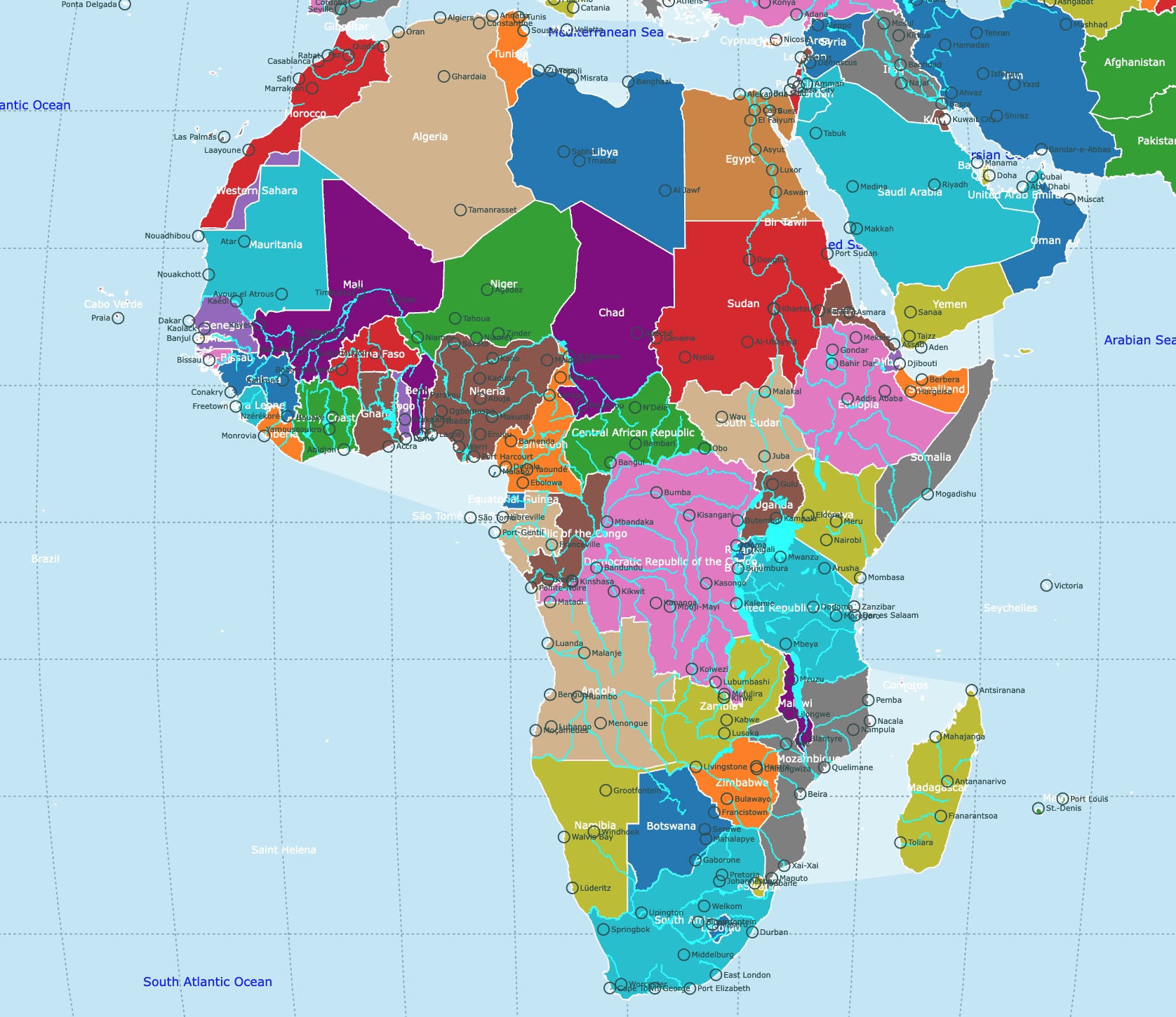
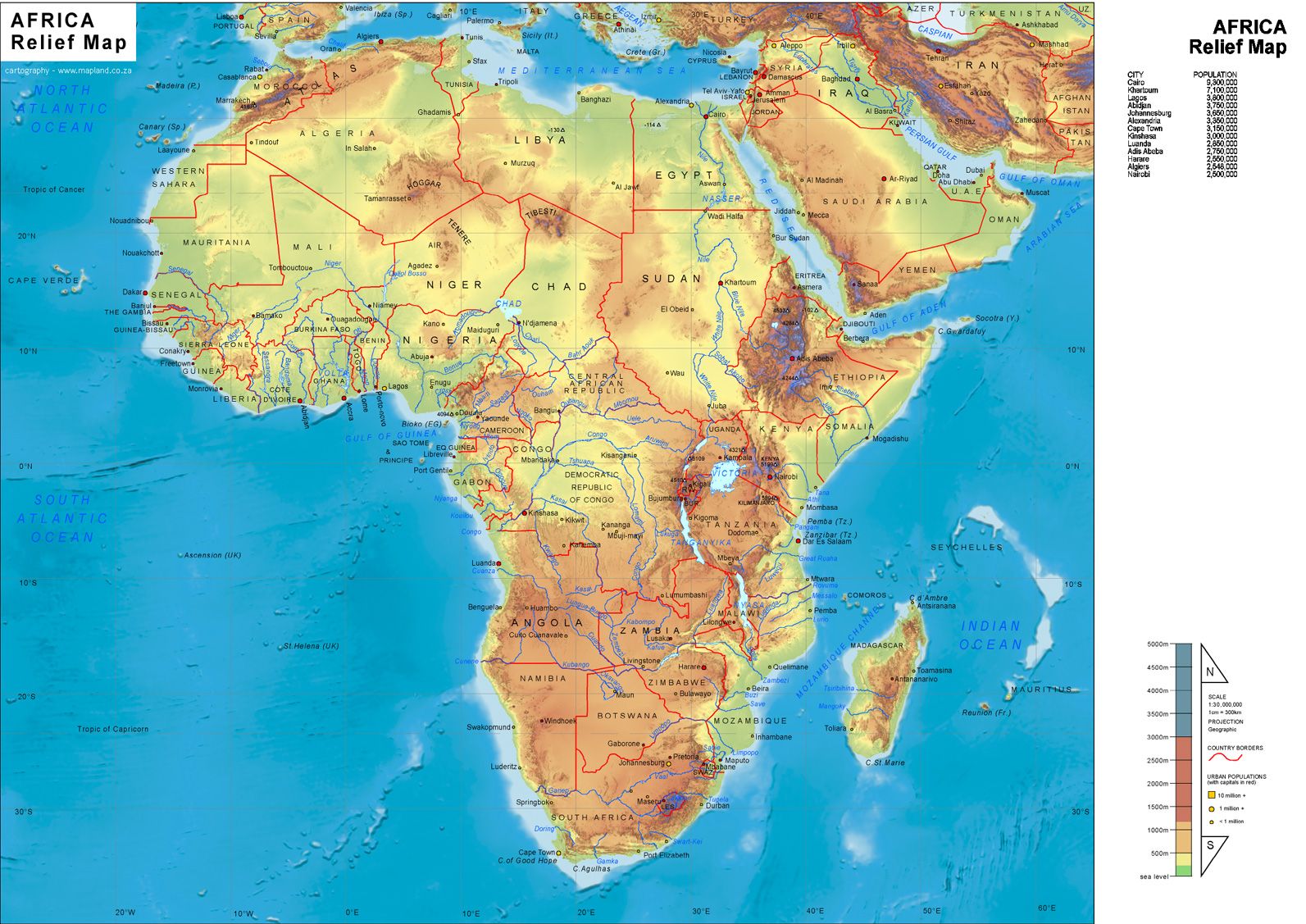
An African geography map details where major deserts, mountains, and rivers are. It shows us how different regions connect and interact. Learning about this map gives us powerful insights into the continent's environmental and cultural diversity. It helps Americans appreciate the challenges and strengths across Africa.
What Makes the African Geography Map Unique?
The African geography map showcases truly immense scale. It is home to many varied ecosystems. From scorching deserts to dense rainforests, Africa has it all. The continent’s sheer size contributes greatly to this incredible natural variety.
Key physical features jump out on any African geography map. These include the massive Sahara Desert in the north, stretching across numerous countries. South of the Sahara lies the semi-arid Sahel region, a transition zone. Central Africa features the vast Congo River Basin, a dense rainforest ecosystem.
Eastern Africa is defined by the Great Rift Valley, a dramatic geological split. This valley contains many deep lakes and towering volcanoes. These remarkable features make the African geography map endlessly captivating. They shape the lives of millions across the continent.
Exploring Key Regions on the African Geography Map
Each region on the African geography map tells its own story. Northern Africa includes the Maghreb and Egypt, dominated by the Sahara and the Nile River. This area has historical ties to Mediterranean cultures and desert life.
West Africa shows a blend of grasslands, savannas, and coastal plains. It hosts significant river systems like the Niger River. This region is known for its diverse ethnic groups and vibrant economies. It is a critical part of the African geography map.
Central Africa, with the Congo Basin, is a hub of biodiversity. It features extensive rainforests and major rivers. This region is vital for global climate regulation. Its geography presents unique challenges and opportunities.
Eastern Africa on the African geography map is marked by the Great Rift Valley. It includes highlands, great lakes, and iconic wildlife parks. Countries like Kenya and Tanzania are famous for their unique landscapes. This geography supports diverse ecosystems.
Southern Africa displays a range of environments. These range from the Kalahari Desert to the Drakensberg Mountains. It also includes fertile coastal areas. This diverse terrain supports varied agricultural practices and resource extraction.
The Climate Zones of the African Geography Map
The African geography map clearly illustrates its wide array of climate zones. These zones greatly influence vegetation, agriculture, and human settlement patterns. Understanding them is key to appreciating Africa's environmental dynamics.
Tropical climates dominate much of Central and West Africa. These areas receive heavy rainfall and maintain high temperatures year-round. They support lush rainforests and vital agricultural systems. The African geography map highlights these important green belts.
Desert and semi-arid climates cover large portions of North and Southern Africa. The Sahara and Kalahari Deserts exemplify these harsh conditions. Life here adapts to extreme heat and scarce water resources. These zones are prominent on the African geography map.
Mediterranean climates exist at the northern and southern tips of Africa. These regions experience warm, dry summers and mild, wet winters. They are ideal for certain crops like grapes and olives. This specific climate type is a smaller, but significant, part of the African geography map.
Temperate highland climates are found in elevated areas. These include parts of Ethiopia and East Africa. They offer cooler temperatures and more moderate rainfall. These conditions support unique agricultural practices and dense populations. The African geography map reveals these cooler, elevated zones.
Why Understanding the African Geography Map Matters in 2026?
Knowing the African geography map is more important than ever in 2026. Global challenges like climate change directly impact Africa’s diverse environments. Its resources, from minerals to fertile land, are crucial for global markets. Geopolitical stability often intertwines with geographical factors.
For the United States audience, understanding the African geography map fosters global citizenship. It helps us comprehend migration patterns, economic development, and conservation efforts. Our interconnected world means Africa's geography affects everyone. It is not just a distant land on a map, but a vital global player.
The map also highlights areas vulnerable to drought or flooding. This knowledge assists international aid and development efforts. Learning about Africa's distinct regions promotes informed dialogue. It allows for better partnerships and understanding across continents. The African geography map is truly a key to global insight.
African Geography Map Key Data
| Feature | Description | Significance |
| Largest Continent (Land Area) | No, 2nd largest | Diverse ecosystems and climates |
| Number of Countries | 54 recognized countries | Political complexity and diversity |
| Longest River | Nile River (approx. 4,132 miles) | Historical civilizations, lifeline for millions |
| Largest Desert | Sahara Desert (approx. 3.6 million sq miles) | Ecological barrier, unique desert life |
| Highest Peak | Mount Kilimanjaro (19,341 feet) | Iconic landmark, diverse climatic zones |
| Largest Lake | Lake Victoria (approx. 26,590 sq miles) | Major freshwater source, supports large populations |
| Major Mountain Range | Atlas Mountains (Northwest) | Influences regional climate and culture |
| Great Rift Valley | Eastern Africa | Geological marvel, rich in fossils and lakes |
What Others Are Asking?
What are the main geographical features of Africa?
Africa's main geographical features are incredibly diverse, including the vast Sahara Desert, the lush Congo River Basin, and the prominent Great Rift Valley. It also encompasses the iconic Nile River, the Atlas Mountains, and numerous savannas and rainforests. These features collectively shape the continent's distinct landscapes and climates, influencing its ecosystems and human settlements dramatically.
How many climate zones does Africa have?
Africa boasts a wide range of climate zones due to its vast size and position across the equator. These include tropical wet, tropical wet and dry (savanna), desert (Sahara, Kalahari), semi-arid (Sahel), Mediterranean (northern and southern tips), and highland climates. This diversity significantly impacts agriculture, biodiversity, and human habitation patterns across the continent.
What is the largest desert in Africa?
The largest desert in Africa is the Sahara Desert, which is also the largest hot desert in the world. It spans over 3.6 million square miles across North Africa, covering significant parts of eleven countries. This immense arid region dramatically influences the climate, ecology, and human history of the entire African continent and beyond.
Which is the longest river on the African geography map?
The longest river on the African geography map is the Nile River. It stretches approximately 4,132 miles, flowing northward through northeastern Africa. The Nile is a crucial water source, supporting agriculture and human life in countries like Egypt, Sudan, and South Sudan, and has been vital for civilizations for millennia.
Why is Africa's geography so diverse?
Africa's geography is so diverse due to its immense size and its position straddling the equator, leading to varied climatic conditions. It encompasses multiple tectonic plates, resulting in dramatic landforms like the Great Rift Valley, towering mountains, and vast desert basins. These geological and climatic factors create a unique array of ecosystems across the continent.
How does geography impact development in Africa?
Geography profoundly impacts development in Africa by influencing resource distribution, agricultural potential, and access to trade routes. Varied climates affect crop yields, while landlocked countries face logistical challenges. Natural barriers like deserts and rainforests can hinder infrastructure development, while abundant resources in other areas attract investment, shaping diverse development trajectories.
What are some unique landforms in Africa?
Africa features many unique landforms including the Great Rift Valley, a massive geological fault system with volcanoes and deep lakes. Other notable formations are Mount Kilimanjaro, Africa's highest peak, the vast Sahara and Kalahari Deserts, and the expansive Congo Basin rainforest. The dramatic Drakensberg Mountains and Victoria Falls also stand out, showcasing the continent's diverse natural beauty.
FAQ about African Geography Map
Who uses African geography maps?
Anyone studying global affairs, planning travel, or engaged in international trade uses African geography maps. Students, researchers, and humanitarian organizations also rely on these maps. They provide essential context for understanding global issues and development.
What information does an African geography map provide?
An African geography map provides details on physical features like mountains, rivers, and deserts. It also shows political boundaries, country capitals, and major cities. Climate zones, vegetation types, and population densities are often included for comprehensive insight.
Why is the African geography map important to study?
Studying the African geography map is important because it illuminates the continent's vast environmental and cultural diversity. It helps us understand global climate patterns, resource distribution, and geopolitical dynamics. This knowledge fosters a more informed global perspective.
How has the African geography map changed over time?
While major physical features remain constant, the political African geography map has changed significantly. Colonial boundaries were drawn, and post-independence, new nations emerged. Ongoing conflicts and resource disputes can also subtly alter regional perceptions and control areas.
Summary of Key Points about African Geography Map
- Africa is the world's second-largest continent, boasting incredible geographical diversity.
- Key features include the Sahara Desert, Nile River, Congo Basin, and Great Rift Valley.
- The continent has diverse climate zones, from tropical to desert and Mediterranean.
- Understanding Africa's geography is crucial for comprehending global issues in 2026.
- Maps are vital tools for navigation, information, and appreciating Africa's rich tapestry.
As you explore the African geography map, remember it is a gateway to understanding a vibrant and complex continent. Each mountain, river, and desert tells a story of adaptation, resilience, and interconnectedness. Embrace this knowledge; it empowers your global perspective. What will you discover next?
Africa's vast geographical diversity, from deserts to rainforests. Major physical features include the Sahara, Nile River, and Great Rift Valley. Significant climate zones across the continent impact life. Geopolitical importance and resource distribution are shaped by geography. Understanding Africa's map is essential for global studies and travel.


Map With The Countries Of The Africa 2026 Learner Trip Africa Countries . Africa Cruise 2026 Political Map Of Africa Shows Five Main Regions R 5363 004 2CF29786 . Unveiling Africa S Majestic Peaks A Labeled Map Of African Mountains Flat Africa Physical Map Constructor Elements On The Water Surface Build Your Own Geography Collection Vector PFWE28 . Africa Geography Ducksters At Marcos Hines Blog Physical Map Of Africa With High Resolution Details Flattened Satellite View Of Planet Earth And Its Geography Elements Furnished By Nasa 2F7R1FN . Geography Africa Map At Phyllis Bolick Blog Africa



Africa Physical Map Net Africa . Interactive Map Of Africa Africa . Africa Physical Map Net Africa Hd Map . Africa Cruise 2026 Political Map Of Africa Shows Five Main Regions R Africa Political Map . Africas Amazing Physical Features A Map Adventure Africa Physical Map


Map Of Africa Geography Africa Political Map . Africa Physical Map Net Africa Physical Map . Africa Features Map National Geographic Atlas Physical Africa Wall Map 2400x . Africa Geography Map Rivers At James Madrigal Blog Africa Geographic Map Ultimate Edition By Seridio Red Dfdrxka Fullview . Map Of Africa Features Africa


Map Of Africa Guide Of The World High Detailed Africa Physical Map . Africa Maps Physical Maps Of Africa . Map Of Africa Features 035d284 A38f 7e1 72ba 5615e1ced Africa Geographic Map Physical . Africa Topographic Map South Africa Elevation And Elevation Maps Of . Physical Map Of Africa Ezilon Maps Africa Physical Map



Africa Map And Satellite Image Map Of Africa . South Africa Map Wallpapers Wallpaper Cave Wp9239071 . Africa Map Africa Geography . Mapa F Sico De Frica Grande Physical Map Africa Map Africa . Map Of Africa Features Africa Geo


Africa Geography Map Rivers At James Madrigal Blog LJP10002 2400x . Africa Geographic Map Africa Map . North Africa Map Africa Physical Map . Labeled Map Of Kenya Labeled Maps Africa Labeled Map Colored 12 900x675 . Southern Africa Map Countries Africa Map Countries


Printable Maps Africa Printable Free Templates Map Of Africa Specifying Regions And Countries Free Vector . Africa Map To Label Physical Africa Map . Africa Detailed Map Detailed Elevation Map Of Africa Continent . Premium Vector Highly Detailed Editable Political Map With Separated Highly Detailed Editable Political Map With Separated Layers Africa 923552 76 . Map Of Africa Google Search African Countries Map Africa Map Asia Map Africa Map