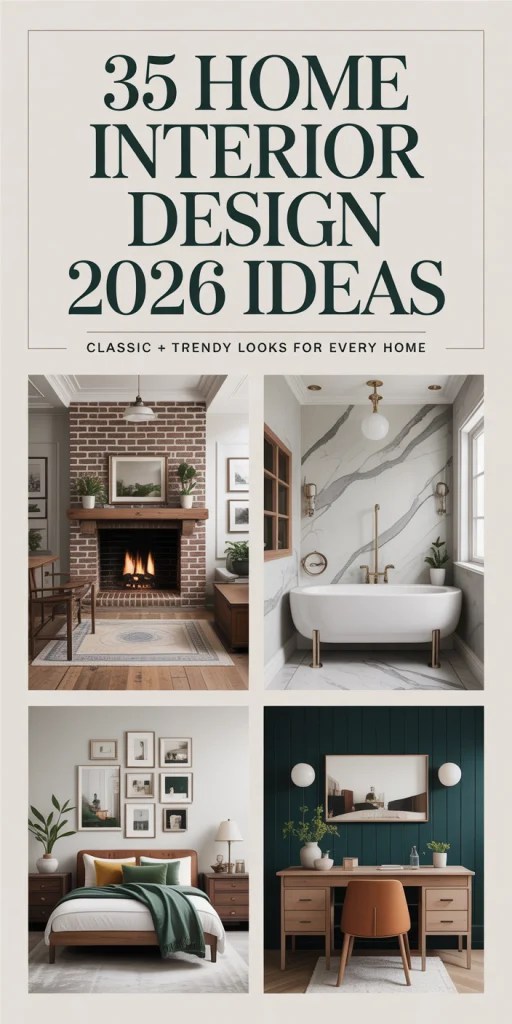
home ideas design FAQ 2026 - Top Questions Answered (Tips, Guide, Trends)
Welcome to the ultimate living FAQ for home ideas design, meticulously updated for 2026! Navigating the vast world of interior and exterior home aesthetics can feel overwhelming, but we're here to demystify it all. This comprehensive guide addresses the most pressing questions, offering insights into trending styles, practical tips, and innovative solutions. Whether you're a beginner looking for inspiration or an experienced homeowner seeking advanced strategies, this resource is packed with actionable advice to transform your living spaces. Get ready to explore the latest trends and timeless principles that make a house truly feel like home, updated with the freshest ideas for the coming year. We break down the complexities into easy-to-understand answers, ensuring your design journey is smooth and successful. Let’s create beautiful, functional homes together!
Beginner Questions
What is the most important element to consider when starting a home design project?
The most crucial element is understanding your personal lifestyle and needs. Your home should reflect how you live daily, ensuring functionality aligns with aesthetics. This foundational step guides all subsequent decisions, from layout to material choices. Prioritize comfort and practicality.
How can I find my personal interior design style effectively?
Gather inspiration through mood boards on platforms like Pinterest or Houzz. Observe recurring themes, colors, and textures that consistently appeal to you. Your unique style will emerge from these patterns, blending various elements to create a cohesive look tailored to your taste.
Is it necessary to hire a professional interior designer for small projects?
Not always. For small projects like a single room refresh or decor updates, DIY approaches with online resources can be very effective. Professional designers offer expertise for larger renovations or complex spatial planning, but many smaller transformations are achievable solo.
Myth vs Reality: "You must spend a lot to have a stylish home."
Reality: A stylish home doesn't require a huge budget. Smart choices like DIY updates, thrifting, rearranging existing furniture, and focusing on key accents like lighting or textiles can create significant impact affordably. Creativity often outweighs cost.
Design Styles & Trends
What are the top interior design styles gaining popularity in 2026?
In 2026, styles like Modern Organic, Japandi (Japanese-Scandinavian fusion), and "Quiet Luxury" are trending. These emphasize natural materials, minimalist aesthetics, sustainability, and high-quality, understated elegance. Biophilic design elements are also heavily integrated.
How do I incorporate trending colors without making my home look dated quickly?
Integrate trending colors through easily changeable elements like throw pillows, artwork, or accent accessories. Use timeless neutrals for larger pieces and wall colors. This allows you to update your palette seasonally or with new trends without major renovations.
Myth vs Reality: "Open-plan living is always the best design choice."
Reality: While popular, open-plan living isn't universally superior. It offers spaciousness and light but can lack privacy and acoustic control. Defined zones, or "broken-plan" layouts using subtle dividers, provide flexibility, offering both connection and separation when needed.
Budgeting Tips & Smart Solutions
What are the most effective ways to save money on home renovations?
Prioritize your spending by focusing on high-impact areas first. DIY tasks where possible, shop for sales, and consider refurbished items. Careful planning and getting multiple quotes also prevent costly surprises. Small, strategic updates make a big difference.
Can smart home technology truly enhance design, or is it just for convenience?
Smart home technology significantly enhances design by improving functionality and ambiance. Automated lighting systems can create dynamic moods, smart blinds optimize natural light, and integrated audio systems eliminate clutter. It seamlessly blends innovation with aesthetic appeal.
Myth vs Reality: "You need custom furniture for unique design."
Reality: While custom pieces are unique, you don't always need them. Personalize mass-produced furniture with new hardware, paint, or upholstery. Curate unique items from vintage stores or artisan markets. Your creativity makes pieces unique, not just a custom tag.
Still have questions?
The world of home design is constantly evolving, and we are always here to help you navigate it. If you have more specific questions or need deeper insights into a particular area, don't hesitate to explore our other guides. Check out our detailed articles on "Mastering Small Space Layouts 2026," "Sustainable Home Innovations," or "The Ultimate Guide to Biophilic Interiors" for even more inspiration and practical advice!
A well-designed home significantly enhances daily life, reflecting personal style and improving functionality. Discover the leading home ideas design trends and practical strategies for transforming any space in 2026. This extensive guide empowers homeowners and enthusiasts with actionable tips. Learn how to optimize layouts, select cohesive aesthetics, and integrate smart technology seamlessly. Unleash your creativity to craft environments that inspire comfort and joy. Explore innovative solutions for every room, from budget-friendly updates to luxurious renovations. Master the art of balancing beauty with practicality, making your living areas truly remarkable. Prepare to visualize and implement stunning design changes, maximizing both appeal and utility.
Questions & answers
What are the essential steps to begin designing my home interior?
Start by defining your lifestyle and functional needs for each space. Gather inspiration to identify your preferred style, then plan your budget. Begin with larger furniture pieces and gradually add decor, ensuring a cohesive and personal touch.
How can I update my home decor on a tight budget in 2026?
Focus on high-impact, low-cost changes. Refresh paint, rearrange furniture, or update textiles like cushions and curtains. Utilize DIY projects, thrift store finds, and strategic lighting to significantly enhance your home's aesthetics without overspending this year.
What exactly is biophilic design, and why is it trending now?
Biophilic design integrates natural elements into indoor spaces to enhance human well-being. It's trending in 2026 due to its proven benefits in reducing stress, improving air quality, and fostering a stronger connection to nature, creating healthier and happier homes.
How can smart home technology truly improve my home's design and functionality?
Smart home technology streamlines daily routines and enhances ambiance. Automated lighting, climate control, and integrated entertainment systems offer seamless convenience while minimizing clutter. It allows for personalized environments that adapt to your preferences and needs effortlessly.
What are the key considerations for designing a functional yet stylish small living space?
Prioritize multi-functional furniture, smart storage solutions, and a light color palette to maximize perceived space. Use mirrors strategically and maintain minimal clutter. Focus on clear pathways and a cohesive style to ensure both utility and aesthetic appeal.
Are there specific materials recommended for sustainable home design in 2026?
Absolutely! For 2026, consider recycled materials, reclaimed wood, bamboo, cork, and low-VOC paints. Prioritize durable, locally sourced products where possible. These choices reduce environmental impact while offering beautiful and long-lasting design solutions for your home.
Are you wondering how to make your home truly feel like you, reflecting both your personality and your lifestyle in 2026? So many people ask about creating spaces that are not only beautiful but also incredibly functional. Designing a home that perfectly blends comfort, style, and practicality can feel like a huge challenge. But with the right ideas and a smart approach, transforming your living area into your dream sanctuary is definitely within reach. This guide unpacks the latest trends and timeless principles for outstanding home design.
Core Understanding Fundamentals of Home Ideas Design
Diving into home design, we realize it's more than just picking paint colors. It involves understanding spatial relationships and how light interacts with textures. Great design truly improves everyday living by making spaces intuitive and inviting. In 2026, the focus has strongly shifted towards designs that are both aesthetically pleasing and highly sustainable. People want their homes to feel personal, calm, and also environmentally friendly. Considering these elements from the start ensures a cohesive and lasting design that truly works for you.
Understanding your personal style is the very first step in any successful home design journey. Think about what colors make you feel happy and which textures bring comfort. Consider the overall mood you want to create in each room. Do you prefer a vibrant, energetic atmosphere or a serene, calming retreat? Your lifestyle also heavily influences these choices. Families with children might prioritize durable, easy-to-clean surfaces. Remote workers might need dedicated, quiet office spaces. By aligning design choices with your daily life, you build a home that supports your well-being. This thoughtful approach moves beyond just aesthetics to create truly livable spaces for everyone. Identifying your true needs now prevents costly redesigns later.
Frequently Asked Questions About Home Ideas Design
What are the biggest home design trends for 2026?
The leading home design trends for 2026 emphasize sustainability, smart technology integration, and personalized biophilic elements. Expect to see more natural materials, energy-efficient solutions, and tech that simplifies daily life. Colors are leaning towards earthy tones with vibrant accents.
How can I make a small space feel larger?
To maximize small spaces, focus on multi-functional furniture and smart storage solutions. Light color palettes, strategic mirror placement, and ample lighting can dramatically open up a room. Keep clutter minimal for an airy, expansive feeling.
What are budget-friendly home design ideas?
Budget-friendly home design includes DIY projects, thrifting unique decor, and updating existing furniture with paint. Focus on high-impact areas like statement walls or changing textiles. Small changes often make the biggest difference for your home.
Beginner / Core Concepts
I get why getting started with home design can feel overwhelming for so many people. It’s like standing in front of a giant blank canvas and not knowing where to put the first brushstroke. But trust me, we’ve all been there, and it’s completely normal to feel a bit lost at first. Think of it less as a strict rulebook and more as a helpful guide to unlock your inner designer. You’ve got this, and together, we’ll make sense of it all.
1. What’s the absolute first step I should take when planning a home design project?
Honestly, before you even think about paint colors or furniture, the best first step is to truly understand how you use your space right now. Sit down with a coffee and observe your daily routines. What works well? What frustrates you? Do you always trip over something here, or wish you had more light there? This observation phase is gold. It helps you identify pain points and unspoken needs. Once you know what's truly missing or what could be better, you can start looking for solutions. Don't rush this; it lays the groundwork for everything else. You'll thank yourself later for this clarity.
2. How do I figure out my personal design style without getting overwhelmed by all the options?
This one used to trip me up too, with so many amazing styles everywhere! My best advice is to start by gathering inspiration visually. Pinterest and Instagram are fantastic for this. Create a few mood boards – don’t overthink it at first, just pin anything that catches your eye, whether it's a cozy nook or a vibrant kitchen. After a while, step back and look for recurring themes. Do you see lots of clean lines (modern)? Or warm woods and soft textures (boho)? The patterns will emerge naturally. You don't need to pick just one style; mixing a few elements you love is perfectly fine. It's about what resonates with you. Try this tomorrow and let me know how it goes!
3. Is there a simple way to choose a color palette that actually works together?
Oh, color palettes! This is where a lot of folks get stuck, and it’s understandable. A simple trick is to pick one main color you absolutely adore, then choose two complementary colors that are either analogous (next to it on the color wheel) or directly opposite (for a bold contrast). Don't forget a neutral base, like a warm white or a soft gray, to give your eyes a rest. Aim for about 60% dominant color, 30% secondary, and 10% accent. Also, look at colors found in nature – they always work together beautifully. Grab a simple color wheel app, it makes it super easy to visualize. You’ve got this!
4. I have a really tight budget. What are some high-impact design changes I can make without spending a fortune?
This is a classic question, and honestly, some of the most creative designs come from budget constraints! Don't feel limited. My go-to advice is to focus on textiles. New throw pillows, a cozy blanket, or fresh curtains can completely change the feel of a room for very little money. Repainting a single accent wall or even just a piece of old furniture can make a massive difference. Lighting is another game-changer; adding a stylish lamp or switching out old light fixtures can elevate the space. And never underestimate the power of decluttering and rearranging. It's free and instantly makes things feel fresh. You'd be amazed what a good purge and a furniture shuffle can do! Try it out!
Intermediate / Practical & Production
Alright, so you’ve got the basics down, and now you’re ready to dive a bit deeper into making those design dreams a reality. This stage is all about taking those concepts and turning them into tangible plans. It might involve a bit more precision and problem-solving, but remember, every expert started right where you are. We’re moving beyond inspiration boards and into the exciting world of execution. Keep that enthusiasm up, because these steps are where your home truly starts to transform!
5. How do I effectively plan a room layout to maximize both aesthetics and functionality?
Planning a layout is like a puzzle, and it's super satisfying when the pieces click! The trick is to start with the room’s main purpose. Is it a living room for entertaining or a quiet reading nook? Then, identify the focal point – a fireplace, a window, or a TV. Arrange your largest furniture pieces first, ensuring clear pathways for movement. You want good "flow." Use graph paper or online tools to draw out your layout to scale. Don’t forget to consider natural light and electrical outlets early on. A well-planned layout feels intuitive, making daily life easier. It's not just about looking good; it's about living well in the space. Measure twice, arrange once, right?
6. What are some common mistakes people make when mixing furniture styles, and how can I avoid them?
Ah, mixing styles – it’s an art form, but easy to mess up if you’re not careful! The biggest mistake is just throwing things together randomly without a unifying element. To avoid this, choose a common thread: color, material, or a recurring shape. For instance, if you have a modern sofa, perhaps a vintage coffee table with metal legs that echo the sofa’s sleekness. Another pitfall is having too many "statement" pieces; pick one or two stars and let the others be supporting cast members. Always aim for balance. Trust your eye, but also remember that less is often more when blending styles. It creates a rich, curated look, not a cluttered one. Experiment thoughtfully!
7. I'm interested in smart home integration. Where should I start, and what design considerations are important?
Smart home tech is fantastic in 2026, and it’s getting easier to integrate than ever! Start with what brings you the most convenience or saves the most energy. Smart lighting, thermostats, or security cameras are popular entry points. From a design perspective, the key is to make it feel integrated, not intrusive. Think about how devices will blend with your decor. Wireless solutions are obviously great for minimizing visible wires. Plan for power outlets and good Wi-Fi coverage early on. The goal is to enhance your living experience subtly, not turn your home into a tech showroom. It should feel seamless, almost invisible. Automation should serve your lifestyle, not dictate it. You’ll love the convenience!
8. What’s the deal with sustainable design? How can I incorporate eco-friendly elements into my home effectively?
Sustainable design is absolutely essential these days, and it’s a win-win for both the planet and your wallet in the long run. Start with simple swaps: LED lighting, low-VOC paints, and energy-efficient appliances. When buying new furniture, look for pieces made from reclaimed wood or recycled materials. Consider adding indoor plants (biophilic design!) to improve air quality and connect with nature. Think about insulation and water-saving fixtures. It doesn't mean sacrificing style; many sustainable materials are incredibly chic. It’s about conscious choices that reduce your environmental footprint while creating a healthier living space. Every little bit truly helps. Let’s make a difference together!
9. How can I create a cohesive look throughout my entire home, rather than having each room feel disconnected?
This is a mark of truly excellent design! The secret to cohesion is carrying a few core elements through every space. This could be a consistent color palette that subtly shifts from room to room, a recurring material (like a certain wood tone or metal finish), or a particular style of hardware. Think of it like a story being told throughout your home. Each chapter is unique, but they all share the same narrative voice. Don't make every room identical, but ensure there's a subtle visual whisper connecting them. This creates a sense of calm and flow. It’s about harmony, not uniformity. Give it a shot, you’ll see the magic!
10. Are there any specific lighting strategies that can dramatically improve a room’s ambiance?
Oh, lighting is absolutely crucial, and often overlooked! It’s not just about turning a light on; it’s about layering. You want three types of lighting: ambient (general illumination), task (for specific activities like reading or cooking), and accent (to highlight art or architectural features). Use dimmers everywhere to control the mood. Warm-toned bulbs create a cozy atmosphere, while cooler tones are great for tasks. Consider natural light as well; use sheer curtains to maximize it during the day. Proper lighting can transform a room from flat to fabulous, making it feel inviting and functional at any time. It's a game-changer for ambiance, truly. You've got this light puzzle!
Advanced / Research & Frontier 2026
Alright, for those of you pushing the boundaries and really digging into the future of home design, this section is for you. We’re talking about cutting-edge concepts and the emerging tech that’s shaping how we live in 2026 and beyond. This isn’t just about making things pretty; it’s about intelligent living, sustainability at its core, and hyper-personalization. It’s exciting, it’s innovative, and it’s where a lot of the fascinating challenges and opportunities lie. Let’s explore what’s next, shall we?
11. What role will AI and augmented reality (AR) play in home design planning in 2026 and beyond?
AI and AR are completely revolutionizing design planning right now, it’s incredible. AI-powered design tools can analyze your preferences, budget, and existing space to generate optimized layouts and material suggestions in seconds. Think about that efficiency! AR apps allow you to virtually place furniture and decor in your actual room using your phone or tablet, seeing exactly how it looks before you buy. This technology reduces costly mistakes and helps visualize complex ideas with stunning accuracy. It's like having a pro designer and a magical preview window right in your pocket. The frontier models like O1-Pro are even predicting material durability and energy efficiency from initial sketches, offering insights we never had before. This kind of tech empowers everyone to design smarter. It’s truly a game-changer!
12. Can you explain biophilic design in more detail and its projected impact on future homes?
Biophilic design is more than just adding plants; it's about integrating natural elements and processes into built environments to foster human well-being. It’s incredibly important for our mental health. In 2026, we’re seeing a deeper understanding of its impact. This means designing homes with abundant natural light, views of greenery, and using natural materials like wood and stone. Future homes will increasingly feature living walls, indoor water features, and even automated systems that mimic natural breezes or circadian rhythms in lighting. The goal is to reduce stress, improve cognitive function, and enhance healing. It’s not just a trend; it's a fundamental shift towards healthier, more harmonious living spaces. Think about it: our primal connection to nature is being brought indoors. You’ll feel the difference, I promise.
13. What are the biggest challenges and opportunities for sustainable and regenerative home design?
The biggest challenge for sustainable design often comes down to upfront costs and material sourcing logistics. It’s getting better, but high-performance, eco-friendly materials can sometimes be more expensive initially. Another hurdle is educating both designers and homeowners on best practices for truly regenerative systems, like rainwater harvesting or graywater recycling. However, the opportunities are massive! We're seeing huge advancements in modular construction using recycled materials, smart energy management systems that drastically cut utility bills, and designs that actively give back to the environment, like permeable surfaces reducing runoff. The long-term financial and environmental benefits far outweigh the initial hurdles. This area is booming, and innovation is happening rapidly thanks to cutting-edge research. It’s an exciting space to watch and participate in!
14. How will personalized wellness and sensory design be integrated into homes in the coming years?
Personalized wellness and sensory design are becoming central to home concepts in 2026. Forget generic wellness spaces; we’re talking about homes that adapt to your specific needs. This includes dynamic lighting systems that adjust color temperature and intensity based on your personal circadian rhythm or mood, smart HVAC systems that optimize air quality and temperature for individual occupants, and even soundscapes tailored to promote relaxation or focus. Materials will be chosen not just for aesthetics but for their tactile feel and acoustic properties. Think about spaces designed to reduce noise pollution or incorporate calming natural sounds. The goal is to create micro-environments within the home that support physical and mental well-being on an individual level. It's truly about designing for the human experience at its most refined. You deserve a home that cares for you!
15. What are the emerging materials or construction methods that could redefine home design by 2026-2030?
We're on the cusp of some truly transformative shifts in materials and construction! Beyond traditional sustainability, look out for self-healing concrete, which can repair its own cracks, and mycelium-based insulation, grown from fungi, offering amazing thermal properties. Modular and prefabricated construction, leveraging advanced robotics and 3D printing, is becoming incredibly sophisticated, allowing for faster, more precise builds with less waste. Transparent solar panels that generate energy while acting as windows are also gaining traction. Furthermore, smart glass that can change opacity with a flick of a switch offers privacy and light control. These innovations promise not only more efficient and sustainable homes but also entirely new aesthetic possibilities. It’s a very exciting time to be involved in the built environment. Keep an eye on these developments – they’re game-changers!
Quick 2026 Human-Friendly Cheat-Sheet for This Topic
Start with Your Lifestyle: Before anything else, truly observe how you live. What works and what doesn't? This groundwork is vital for design choices that genuinely enhance your daily life. It helps you avoid trends that look great but don't fit your unique routine. A truly functional home supports your habits seamlessly, making everyday tasks easier and more enjoyable. Knowing your needs first saves time and money later.
Embrace Natural Elements: Biophilic design isn't just a buzzword for 2026; it's a wellness strategy. Incorporate plants, natural light, and materials like wood or stone. These elements create a calmer, healthier indoor environment, boosting mood and productivity. Even small touches, like a potted plant or a natural fiber rug, can make a big difference in connecting your space to the outdoors and improving air quality significantly.
Smart Tech, Thoughtfully: Integrate smart home devices where they genuinely add convenience or save energy. Don’t just add gadgets for the sake of it. Think smart lighting for ambiance, thermostats for efficiency, or security systems for peace of mind. Ensure these technologies blend seamlessly into your decor, rather than standing out awkwardly. The goal is subtle enhancement, making your home work smarter for you without feeling like a tech showroom.
Layer Your Lighting: Don't rely on just one overhead light. Use a combination of ambient, task, and accent lighting to create depth and warmth in your rooms. Dimmers are your best friend for setting different moods. Strategic lighting can transform a flat space into an inviting sanctuary, highlighting architectural features and making everything feel more luxurious. Experiment with various light sources to discover the perfect balance for each area.
Sustainability is Key: Make eco-conscious choices where possible. Opt for low-VOC paints, energy-efficient appliances, and durable, recycled materials. Even small steps, like choosing LED bulbs or thrifting furniture, contribute to a healthier planet and can save you money over time. Sustainable design is no longer a niche; it’s becoming the standard for responsible and forward-thinking home environments. Every choice counts in creating a greener future.
Personalize Your Space: Your home should tell your story. Incorporate art, photographs, and decor that truly resonate with your personality and experiences. Avoid purely generic showroom looks. These personal touches are what make a house feel like a home, creating a unique and comforting atmosphere. Surround yourself with things you love. It’s about creating a space that feels authentic and deeply reflects who you are, making it truly yours.
Key highlights
Modern design trends, sustainable living concepts, smart home integration, personalized decor, maximizing small spaces, budget-friendly transformations, creating functional layouts, biophilic design elements.
In pictures
Home Interior Design 2026 Ideas To Transform Apartments And Living 2026 Custom Trends Bay Beach Builders Inc Blog Img Jan 2026 Decor You Ll Love Inspirationde 301cfb725a9cf89550472fe8dc70c1c3 The 2026 Virtual Concept By Newhomesource Has Arrived Builder FHC Exterior B CAM22 Still CAM22 Rug 2026 Room Maxresdefault Traditional Rooms 2026 2026 Organic Modern Earthy New Inspiration Copy 2026 Top 2026 Sustainable Homes 2026 3cecf60b900c764ab9a6278aa115e5f2 Most Beautiful For 2026 Jane At 2026 Kitchen Bedroom 2026 2026 63b4f03162784e92b14a336da7f73827 2026 That Make Every Feel Better 2026 Styles Of 2026 Popular 2026 2026.
Home Interior Design Ideas For 2026 Interiosplash Contemporary Living Room 2026 Modern Trends Your Top 2026 House The Plan Collection Image 2026 Archives 2026 With Warm Neutrals 2026 2026 Inspiring Perfect Space BZLX4TKVTIOKBRUEWZQFBW Decor And 2026 Jane At 2026 Kitchen Bedroom Copy 2026 2026 That Will Make Feel Lived In 2026 How To Get Them On A Budget Cozy DIY 2026 Fall What S Coming 2027 2025 2026 Style 2025 2026 2026 Shaping 2026 Homes Builder Magazine 430 415 430 415 2026 Of 2026 Full Hearted HOMEDESIGNTRENDSOF2026.
Modern Living Room Colors 2026 Trendy Palettes For Contemporary Spaces Ideas And Trends 2026 Organic Earthy New Decor Inspiration 2026 Dream House 2026 That Will Inspire Your Ultimate Mansion Plans 2026 Custom Home Design Keel Homes 2026 2026HOMETRENDS Kitchen 2026 Designs 2026 Interior Luxury 2026 F 2026 Top 2026 Jane At 2026 Bedroom Copy 2026 Textures Materials To Watch 2026 FI 2026 Decoratingtrends Mdc 2026 2026 2026 Must Have Looks You Ll Love 2026 In A By Decorilla Designer Leanna S 2026 Hallway Decorating 2026 Inspiring Every Style.